
Before building a commercial greenhouse, assess who will buy the crop, which production model fits the market, and whether the site and operating costs support a viable business. This article examines market research, crop selection, site conditions, policy requirements, cash-flow scenarios and staged validation before committing capital.
A decision before construction
A modern greenhouse may take months to build, but its commercial prospects are often shaped long before the first column is installed. In a recent conversation with an Australian grower, we discussed local fruit prices, alternative sites for a glasshouse and reports that some greenhouse growers were struggling. Those reports were not verified, and they do not establish the condition of an entire industry. They did, however, raise an important question: why do apparently similar greenhouse investments produce such different results? The answer starts with decisions made before construction.
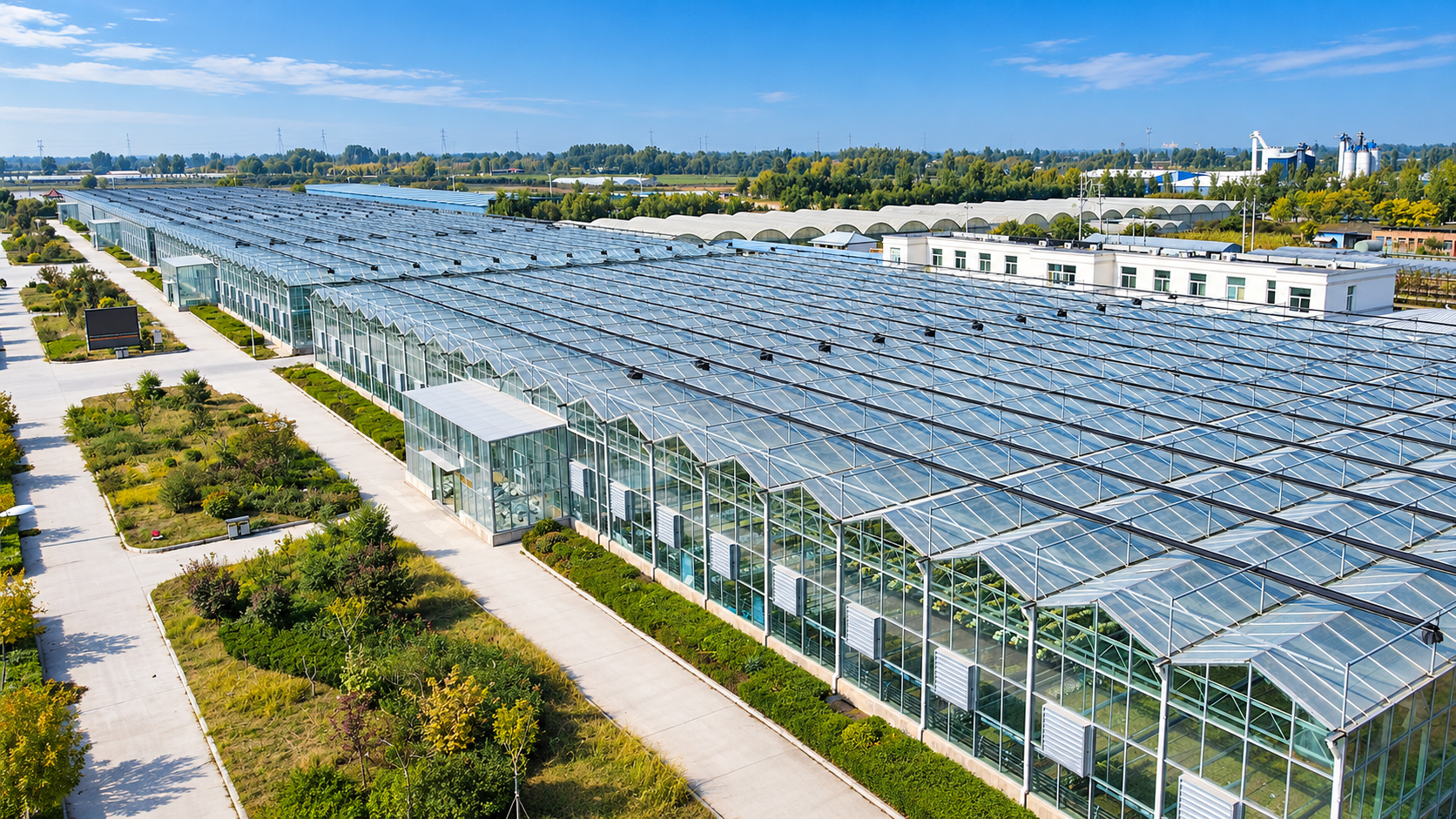
Study the market before selecting the building
The first question is not how much a hectare of glasshouse costs. It is who will buy the harvest, at what grade, in what volumes, at what time and at what price. High fruit prices on one market visit may reflect a temporary shortage, an imported product or an unusual point in the season. They are not a sound forecast of profitability. Investors should examine multiple production and sales seasons, including low prices, grading requirements, competitors, logistics and buyers’ willingness to pay for flavor, appearance or dependable supply.
Select the crop and production model together
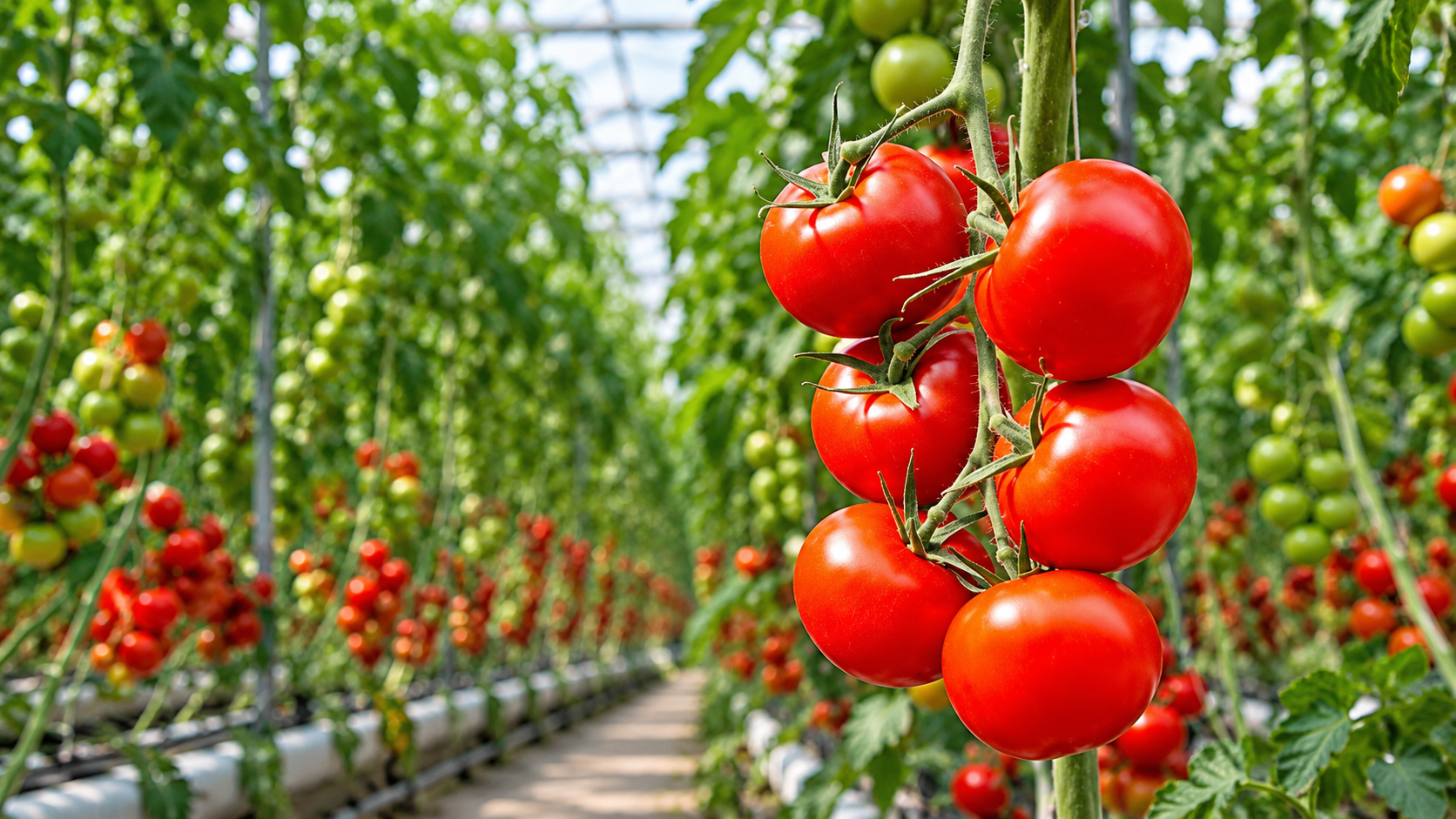
Tomatoes, cucumbers, peppers, strawberries, lettuce and melons all have different agronomic and economic profiles. A high-yielding variety can still be a poor commercial choice if its market is saturated. A premium crop may command a higher price but also require more labor, more demanding management and more expensive packaging. An Australian grower told me he was interested in melons while many existing glasshouses in his area grew tomatoes. That difference is worth investigating, but an under-served market is only an opportunity if production is feasible and buyers can absorb the crop. The right crop is not necessarily the one with the highest advertised price; it is the one with the most workable balance of demand, costs and risk.
A greenhouse is not easily relocated. Wind and snow loads, rainfall, temperature, radiation, soil and foundation conditions all influence the design. Water availability and quality affect filtration and fertigation. An inexpensive plot far from electricity, labor or markets can become costly after grid connections, access roads, drainage and cold-chain transport are included. A more expensive site with dependable water, utilities and logistics may offer a better lifetime return. Evaluate total ownership and operating costs, not simply the purchase price of the land.
Understand policy without depending on subsidies
Agricultural infrastructure, water efficiency, renewable energy and technology upgrades may qualify for support in some jurisdictions. Other regions offer financing or tax incentives. Eligibility, permits, water rights, zoning, technical specifications and application deadlines differ substantially. Certain schemes require approval before procurement or construction starts. Verify the exact requirements with relevant local authorities and advisers rather than treating rumored incentives as guaranteed income. Public support can strengthen a viable project; it should not be the only reason the project survives.
Model cash flow, not only construction cost
The meaningful question is not merely “What does one hectare cost to build?” but “How much reliable net cash flow can this hectare produce?” A realistic model includes seedlings, fertilizer, water, electricity, heating or cooling, labor, pest management, harvesting, grading, packaging, transport, maintenance, financing, depreciation and replacement reserves. Analyze marketable yield, not just biological yield. Compare optimistic, base and adverse scenarios, including lower prices, disappointing production and higher energy costs. A productive greenhouse is not necessarily a profitable greenhouse.
Consider staged validation
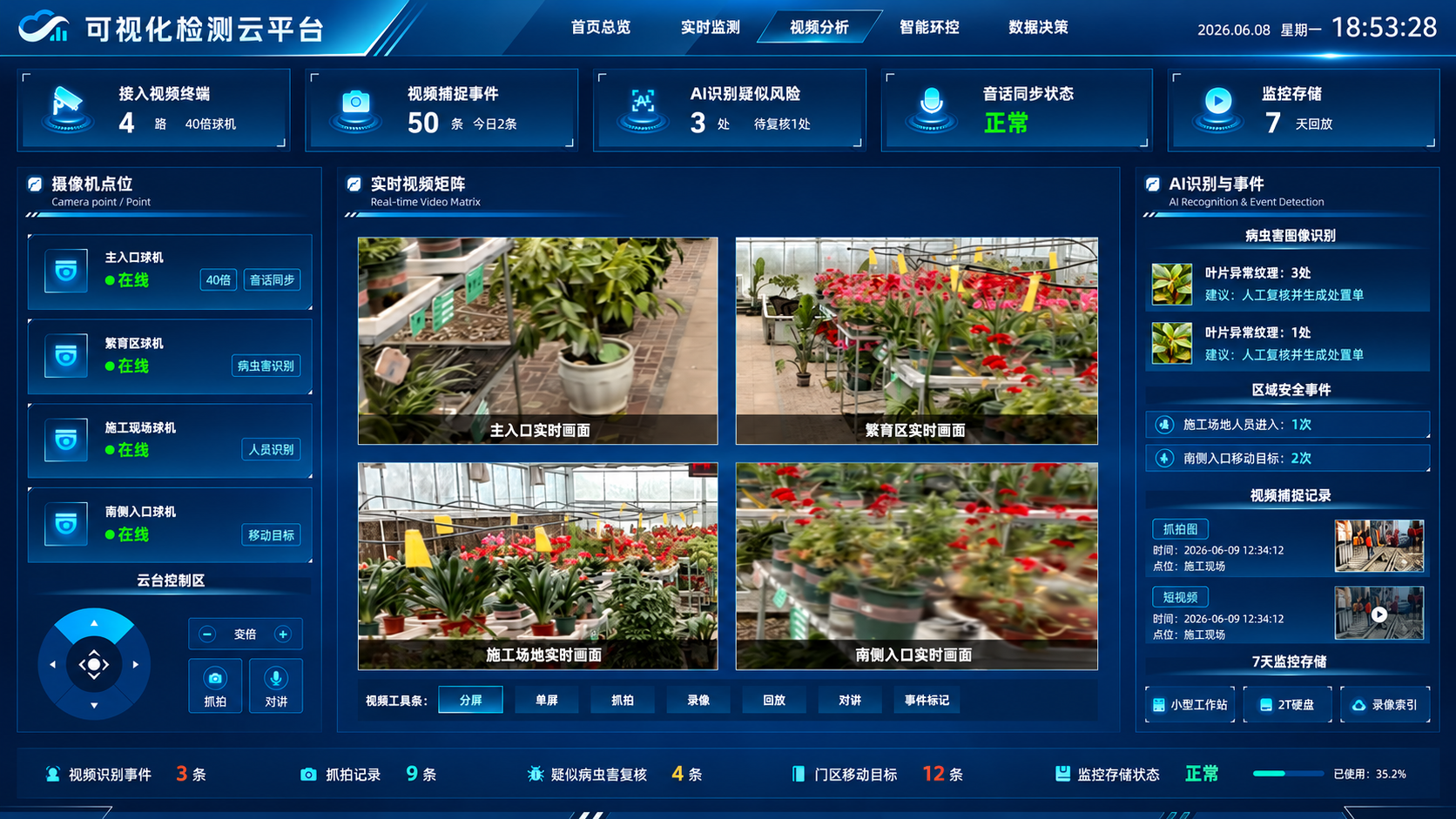
For a first commercial project, building in phases can provide valuable evidence. A smaller initial production block can test the crop, water source, local climate, staff, cooling performance, crop quality and sales channels before a large expansion. Staging can increase unit costs, so it is not automatically better; the decision should weigh risk reduction against economies of scale. The point is to test essential assumptions before committing all the capital.
Conclusion
Greenhouse investment is both an engineering decision and an agricultural business decision. Investors need clear answers about the crop, buyer, selling window, site, permits, costs, management team and downside risks. Construction begins on site, but commercial success begins much earlier—with disciplined market and project planning.