
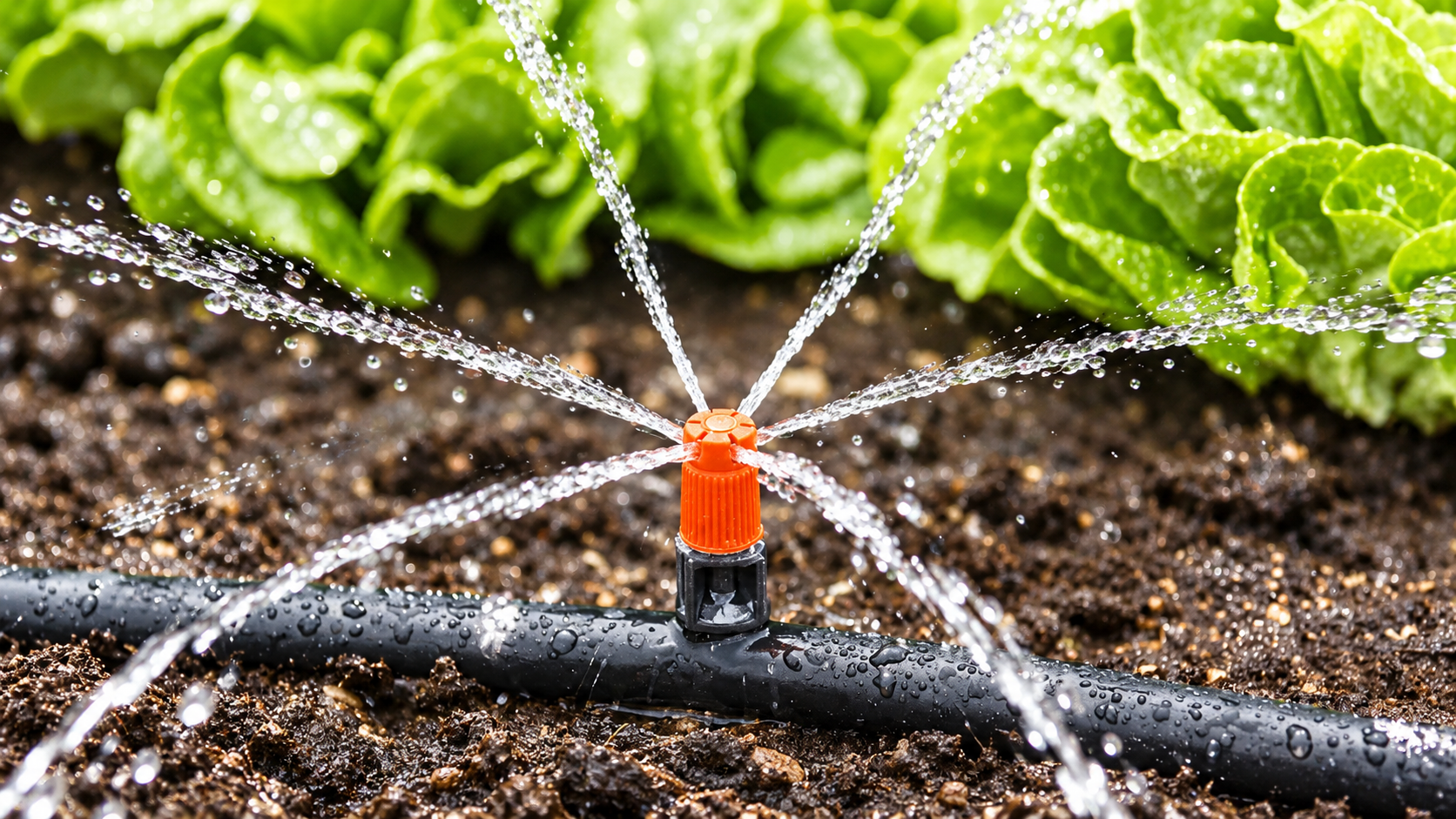
Connect substrate properties, irrigation delivery, drainage and greenhouse climate to manage roots more consistently throughout the crop cycle.
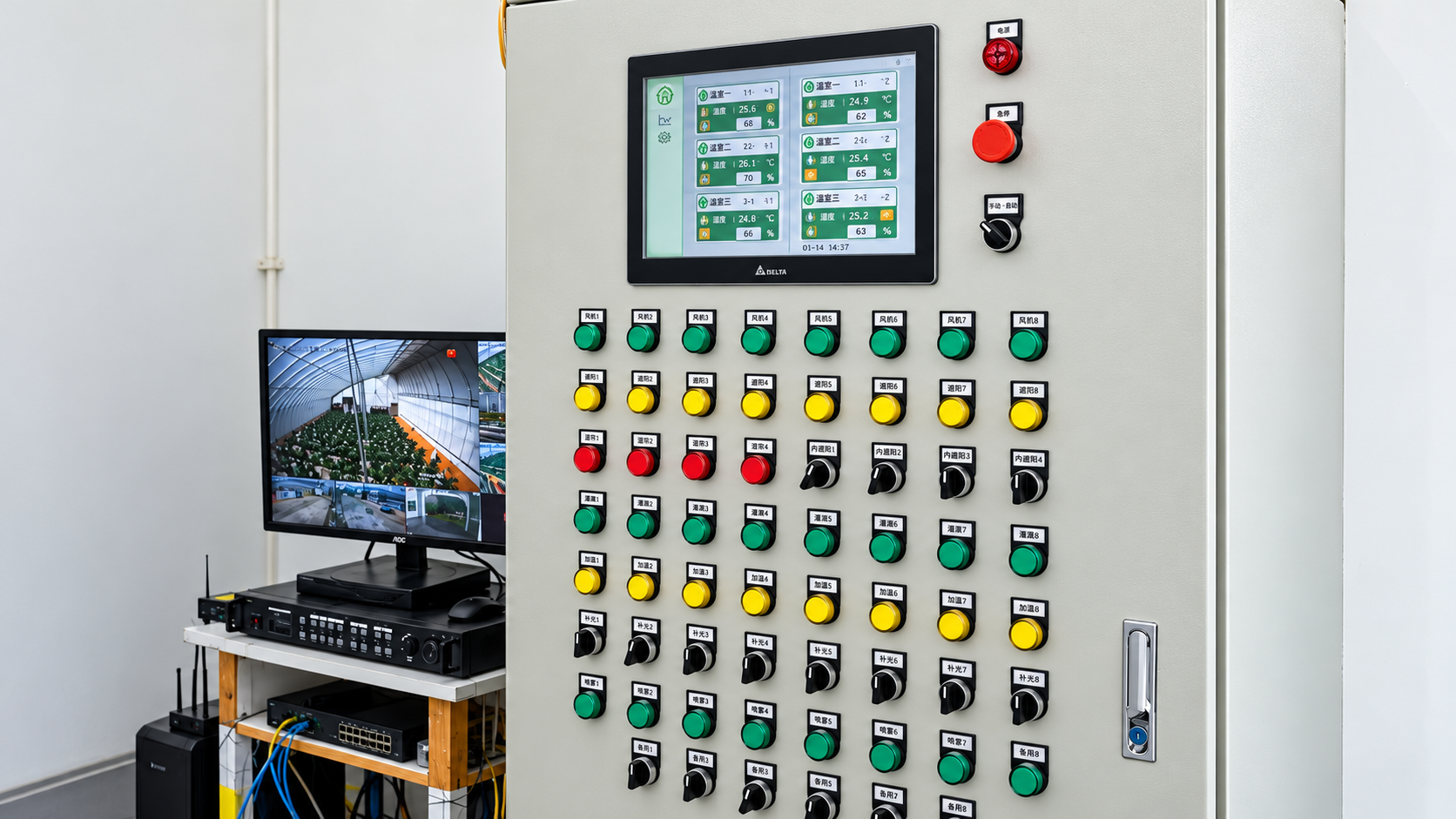
The root zone is an operating environment, not simply a bag of growing medium. Its condition reflects the substrate, container, incoming water, irrigation programme, drainage and climate above the crop. A good material cannot compensate for uneven delivery, and accurate dosing cannot correct a persistently waterlogged container. Commercial decisions should therefore begin with the complete growing system. The useful question is how roots will receive water, oxygen and nutrients as plants develop and weather changes, and how the team will recognise when that balance needs attention.
Compare the material in its intended container
Coco coir, rockwool and perlite describe material groups rather than identical products. Particle distribution, processing and structural stability can change how a particular product behaves. Container height, shape and drainage openings also influence water retention and air space. Evaluate the proposed combination, not a loose sample alone. Ask how it performs after repeated irrigation and through the intended crop duration. Purchase price is only part of the comparison; handling, preparation and the ability to maintain a suitable root environment matter throughout production.
Assess chemistry alongside source water
Initial pH, soluble salts, buffering and nutrient contributions affect how a medium should be prepared and managed. Some coir products need washing or buffering, while other materials have their own conditioning instructions. Confirm the supplied product's requirements rather than assuming every batch is ready to plant. Review source-water analysis and the nutrition plan together, including the water, labour and time required for preparation. EC indicates overall dissolved salts, not the concentration of each nutrient. Investigate unexplained changes through appropriate analysis instead of relying on one number.
Match irrigation to crop development and climate
Young plants and a mature fruiting canopy do not necessarily need the same event size or frequency. Radiation, temperature, humidity and screen operation also change the relationship between water supply and demand. Begin with a crop-specific plan, then compare records with substrate moisture, drainage and plant condition. A controller can repeat a programme reliably without proving that the programme remains suitable. Moisture sensors need representative placement and interpretation appropriate to the medium. Record significant adjustments and observe the response before making several further changes at once.
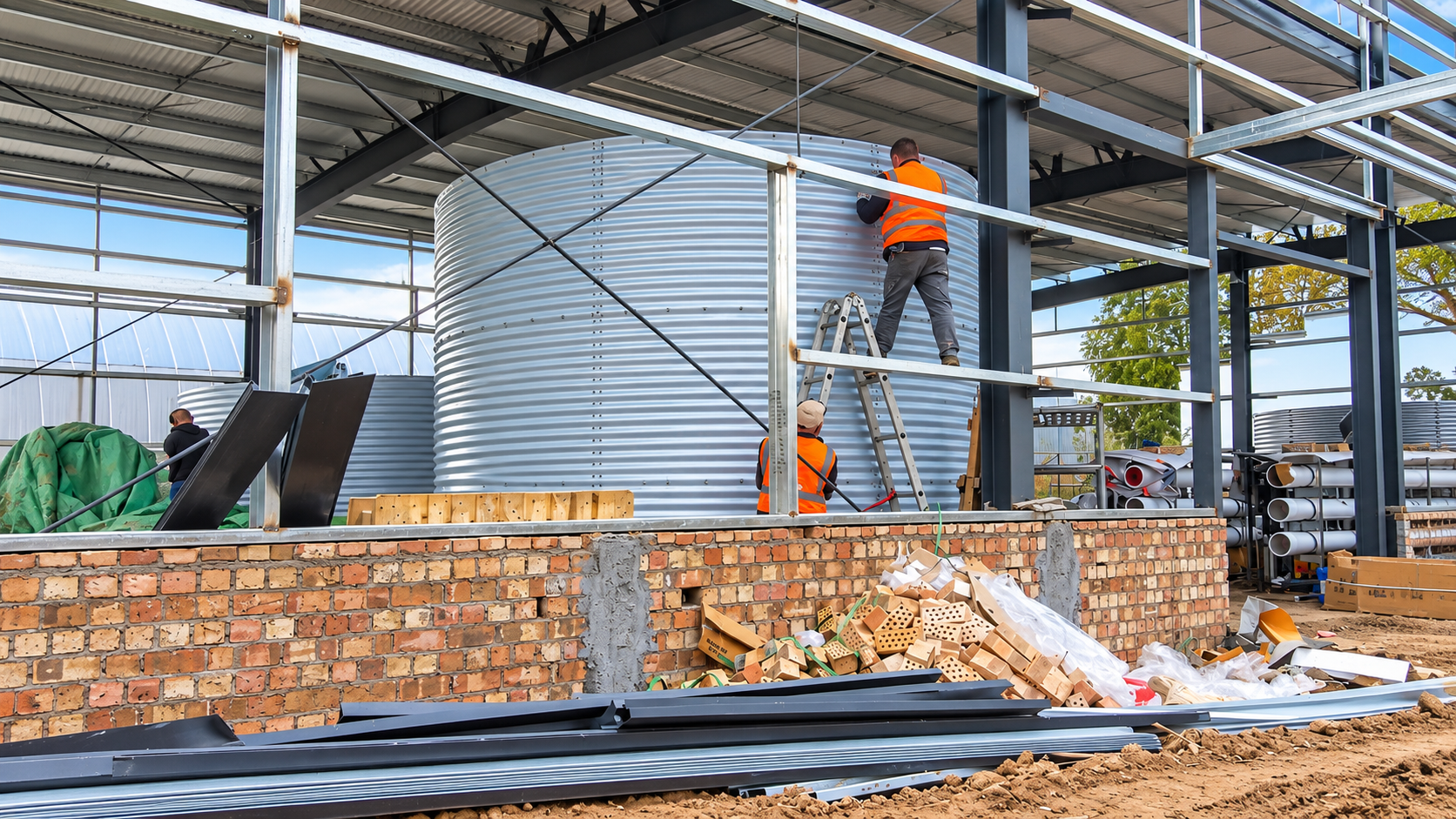
Check distribution before changing the recipe
Uneven growth does not automatically indicate a fertiliser deficiency. A consistent solution at the dosing unit can still reach different plants in different volumes. Inspect filters, pressure regulation, emitters, connections and drainage outlets. Compare stronger and weaker areas under equivalent test conditions, including positions near and far from the supply. Check that drainage can leave without backing up around roots. Changing the whole nutrient recipe before investigating distribution may leave the original problem unresolved while creating a new imbalance elsewhere in the greenhouse.
Interpret measurements with a consistent method
A root-zone reading is meaningful only when its sampling context is understood. Extraction method, position, timing relative to irrigation and instrument condition can affect results. Keep a written procedure and distinguish feed solution, drainage and substrate measurements in the records. Do not compare EC values obtained by different methods as if they were interchangeable. Identify the crop stage and growing area for each sample, calibrate instruments and investigate trends alongside roots and foliage. More data helps only when it answers a defined management question and supports a practical response.
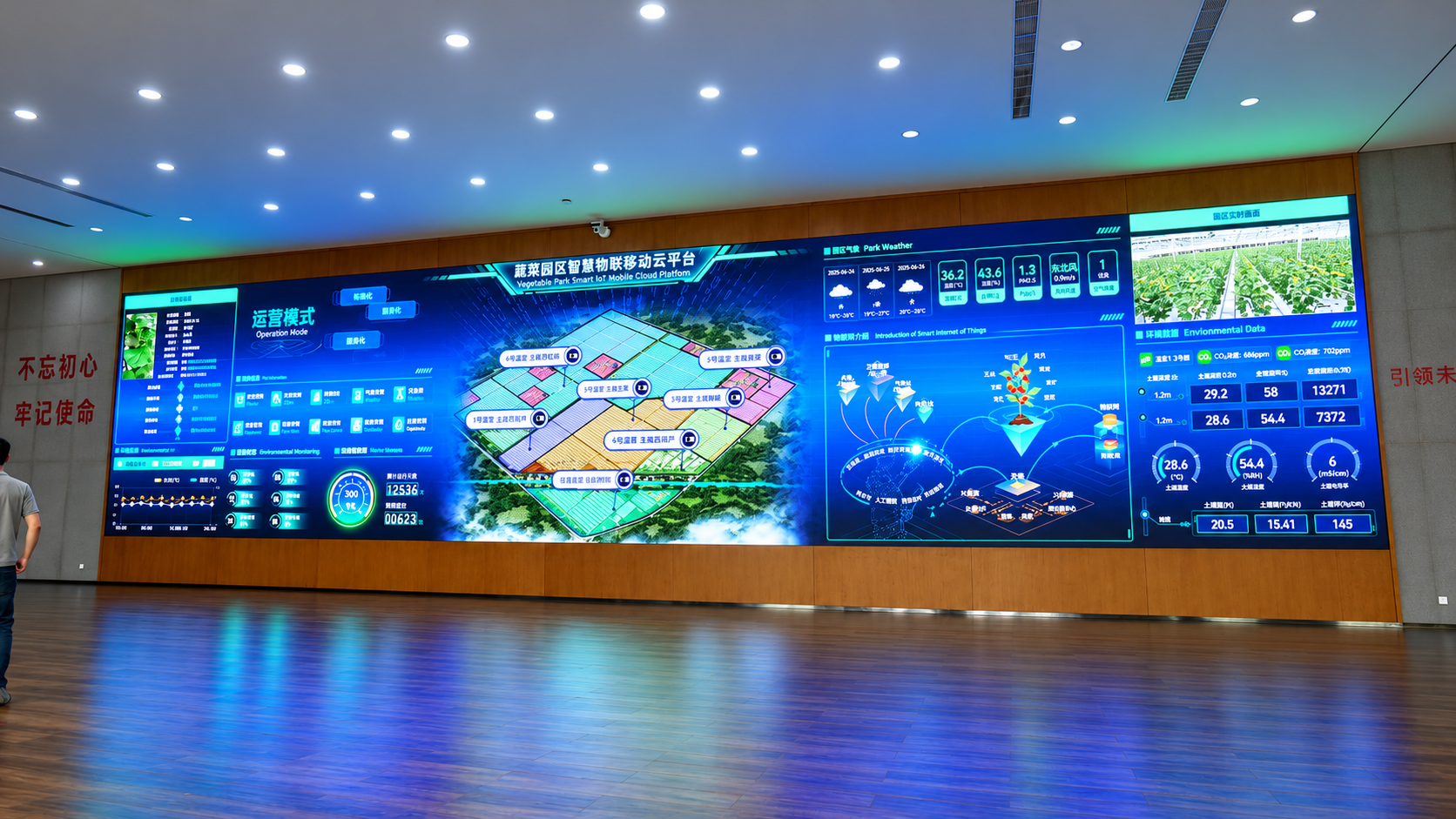
Trial the system before scaling the change
When introducing a different medium or irrigation strategy, a representative trial can reveal work that a product description misses. Define the question, comparison and observation period before starting. Compare root condition, crop uniformity, water use, drainage, labour and saleable production under comparable conditions. Include the mature crop and the intended harvesting method in the assessment. Substrate systems, NFT channels and other soilless arrangements have different requirements for support, oxygen and continuity of supply. Select the configuration for the crop and operating team rather than treating one method as a universal upgrade.
Plan maintenance and the next crop together
A reliable root environment also depends on work between production cycles. Allow for substrate preparation, filter servicing, sensor checks, cleaning and the handling of used materials. Confirm whether reuse is appropriate and what local recovery or disposal arrangements actually exist. If drainage is recirculated, include treatment and solution monitoring in the plan. Review interrupted delivery, low tank levels and power failure with clear alarm responsibilities. These details belong in the design and cost discussion, because an installation is valuable only if the farm can keep it operating and prepare it for another crop.
For a project discussion with AGRINOVIX, bring the crop plan, water analysis, proposed substrate and container details, site climate and available staff skills. Ask how cultivation equipment, irrigation, fertigation and environmental monitoring will work together, and how the installed result will be checked. The objective is not to purchase each component separately and hope they align. It is to create an understandable system that growers can measure, maintain and adjust as the crop develops, with investment decisions grounded in actual operating requirements.