
Begin by defining the crops, market, climate, and operational conditions, then compare various greenhouse solutions. It is recommended to translate the respective responsibilities of the owner, agent, builder, and equipment suppliers into verifiable design inputs and acceptance documentation.
A greenhouse quotation becomes useful when everyone is pricing the same production task. Floor area and covering material provide a starting point, but they do not describe what the business needs to deliver. A tomato operation supplying a demanding retail programme faces different decisions from a nursery selling young plants locally. Before comparing structures, define the crop, sales calendar, operating team and site constraints. The result should be a short operating brief that a grower, contractor and equipment supplier can all interpret consistently. This document turns commercial intentions into design inputs and reduces the number of important assumptions hidden inside a price.
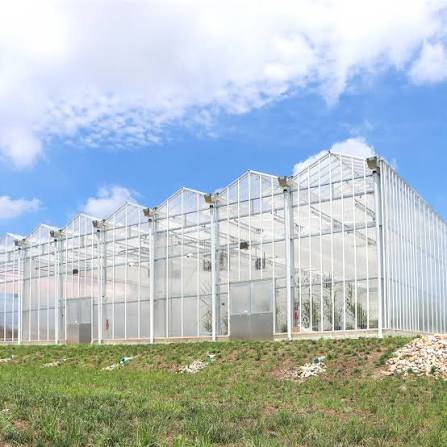
Define the crop and the business together
Start with the product that will leave the farm. Record the crop, intended varieties, quality specifications, expected harvest windows and how buyers receive produce. Identify whether production is seasonal or intended to continue throughout the year. These decisions influence crop support, propagation capacity, climate equipment and handling space. Avoid writing a yield target without also explaining its basis. A target borrowed from another country may assume a different radiation environment, crop cycle or management team. Treat the initial production plan as a scenario to test. Ask which assumptions are supported by local experience and which require a pilot, specialist review or further market work.
Describe the difficult operating conditions
A useful climate brief covers more than average monthly temperature. Discuss hot and humid periods, cold nights, strong winds, heavy rainfall and the hours when outside conditions limit cooling. Include seasonal light availability and the reliability of weather information. The purpose is to identify situations in which the greenhouse must protect the crop or accept a defined production limitation. A designer can then explain the equipment needed, its operating cost and its remaining constraints. Local structural requirements need their own documented assessment. Agricultural suitability and structural compliance are related project requirements, but each needs the relevant professional evidence and clear responsibility.
Check utilities before fixing the equipment list
Water and electricity should be treated as design inputs rather than services that will somehow arrive later. Obtain a representative water analysis, examine supply capacity and understand seasonal availability. Record electrical capacity, voltage, connection timing and the consequences of an outage. A technically attractive cooling or irrigation system can become impractical if the required utilities are unavailable when production begins. Also examine road access, drainage, communications and waste handling. Give each unresolved item an owner and a decision date. This makes uncertainty visible early enough for the project team to change the design, revise the programme or budget for the necessary infrastructure.
Map how people and materials will move
Imagine a normal working day with a mature crop. Workers need access for training, scouting, harvesting and repairs. Plants, packaging, harvest carts and removed crop material must move through the site without creating avoidable congestion. The greenhouse footprint should therefore be reviewed alongside headhouse space, service corridors, loading areas and maintenance access. A drawing can appear efficient because nearly every square metre contains plants, yet create extra labour at every harvest. Walk through the proposed sequence with the future operating team. Ask where items wait, where they are cleaned and what happens when two activities need the same doorway or aisle.
Give every interface an owner
Many project problems occur between packages. The irrigation supplier may assume that drainage is included in the civil works. The builder may assume that electrical control wiring belongs to the equipment supplier. The owner may assume that crop support loads have already been communicated to the structural designer. Record these interfaces in a responsibility schedule before orders are placed. Describe who supplies, installs, connects, tests and approves each item. Include documents and training as deliverables. A dealer can add considerable value by maintaining this schedule locally and ensuring that questions reach the right technical person before work proceeds on site.
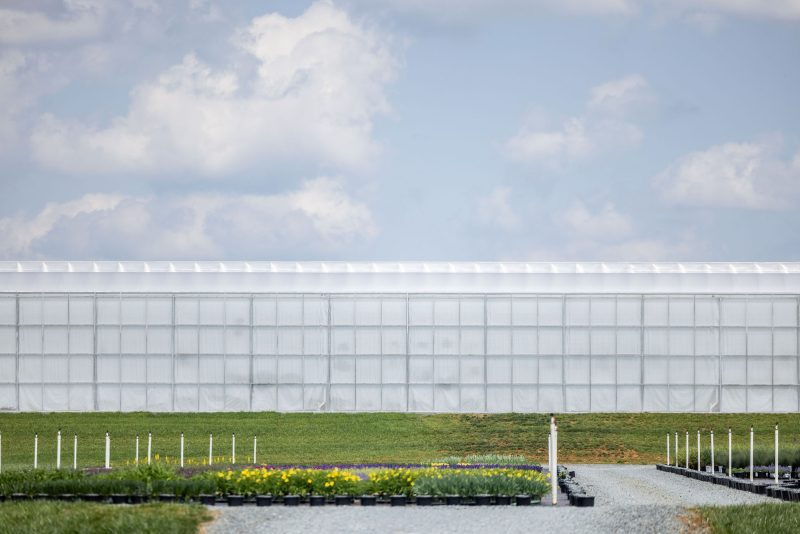
Compare proposals against the same evidence
Once the operating brief is agreed, issue it with the request for quotation. Ask bidders to identify their assumptions, exclusions and design limitations. Compare usable growing area, specified materials, control functions, service arrangements and commissioning scope alongside price. If one proposal contains a feature that others omit, establish whether it solves a requirement in the brief. More equipment does not automatically produce a better business outcome. Equally, a lower initial price can transfer important work to the owner. A transparent comparison should show both the supplied package and the additional work needed to make that package operational at the intended site.
Make acceptance practical from the beginning
Write down how the completed installation will be checked. Examples include confirming actuator movement, verifying irrigation delivery, testing alarms and reviewing maintenance access. Some performance questions can only be assessed under appropriate weather or with a growing crop, so distinguish installation acceptance from later operating evaluation. Keep the records that support both. A commissioning programme is easier to budget and execute when it is part of the original contract. It also gives growers and contractors a shared definition of completion, rather than leaving them to decide whether a visually finished greenhouse is ready to support commercial production.
For a new AGRINOVIX project discussion, an operating brief is a useful first working document. Bring the crop plan, site information, utility details and the questions that remain unresolved. The objective is to establish a design conversation grounded in the conditions the farm will actually face. A good brief does not remove uncertainty or promise a particular harvest. It allows the project team to identify what must be checked, price the right scope and make decisions in a sensible order. That is a stronger foundation for procurement than selecting the most impressive photograph and trying to reconstruct the operating requirements afterwards.