Product Details
01. A connected growing environment for commercial production
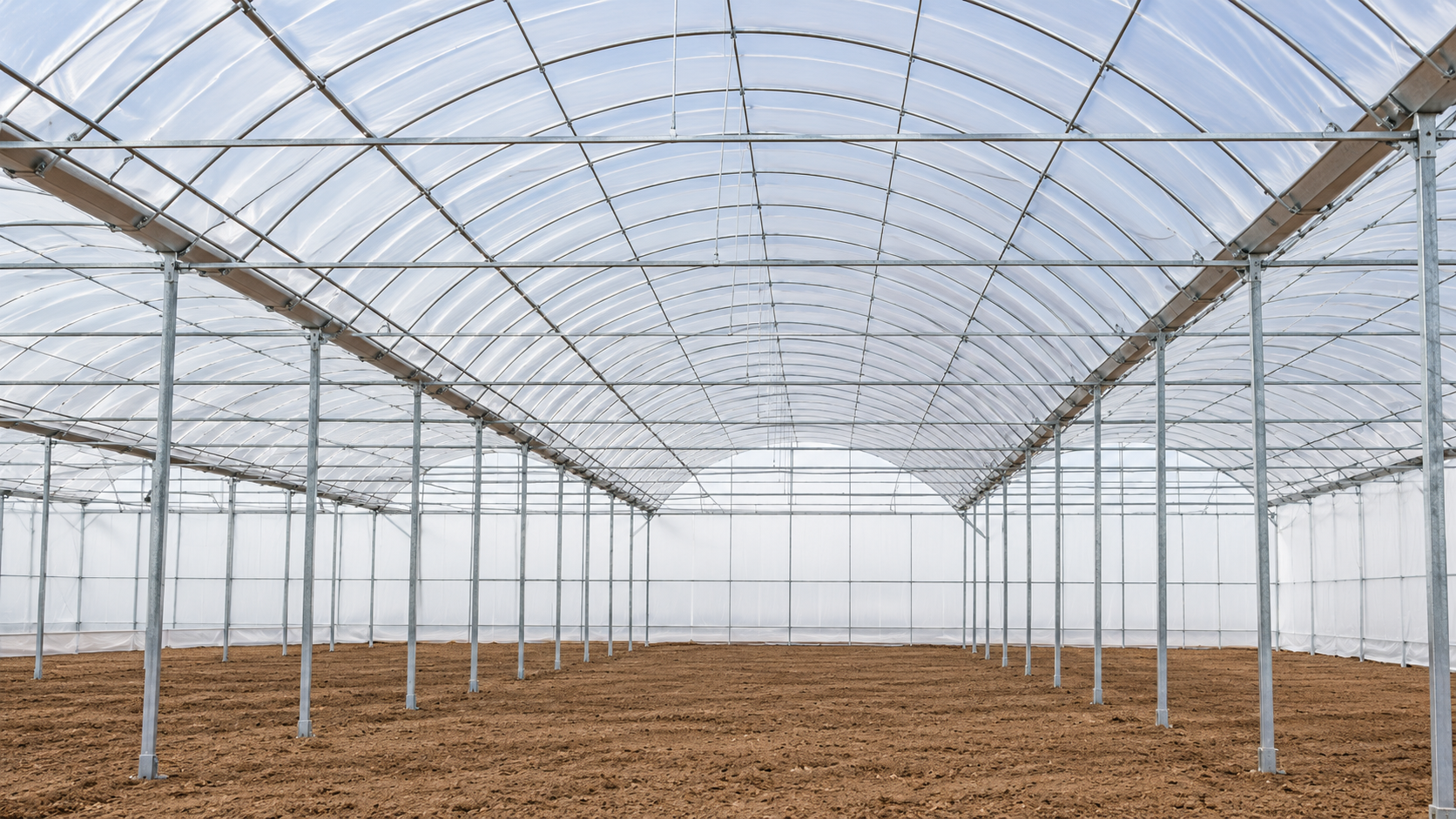
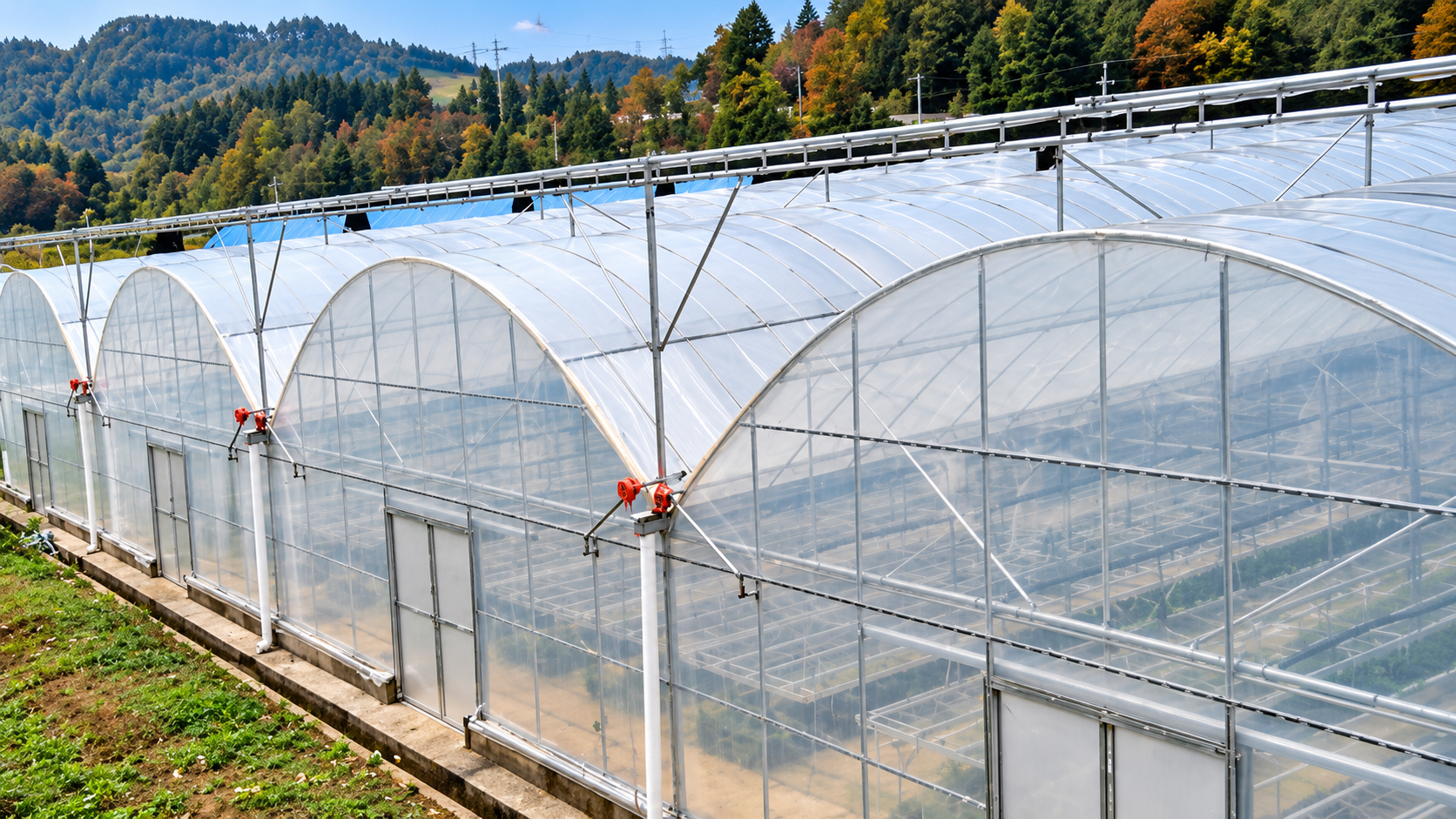
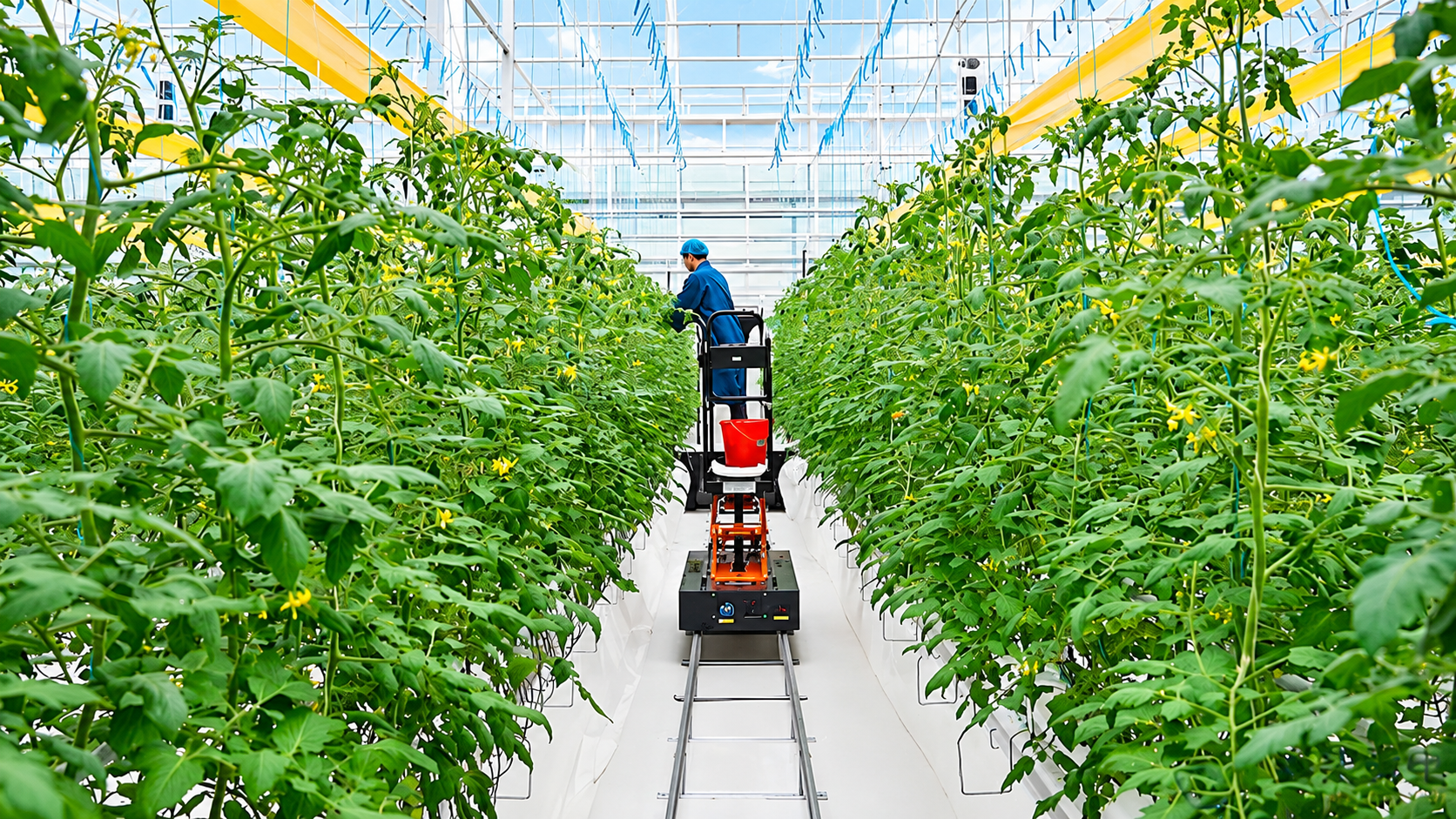
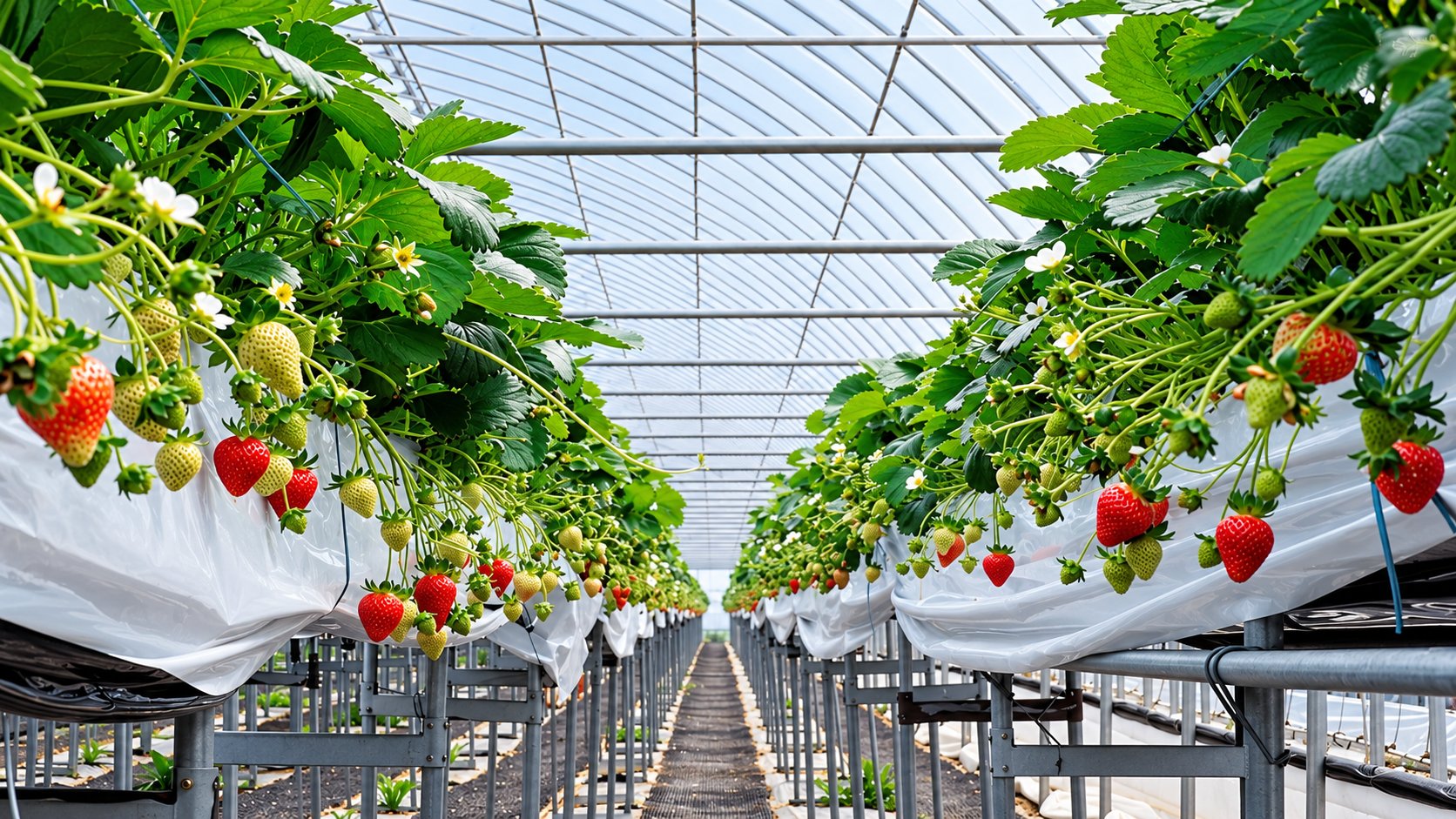
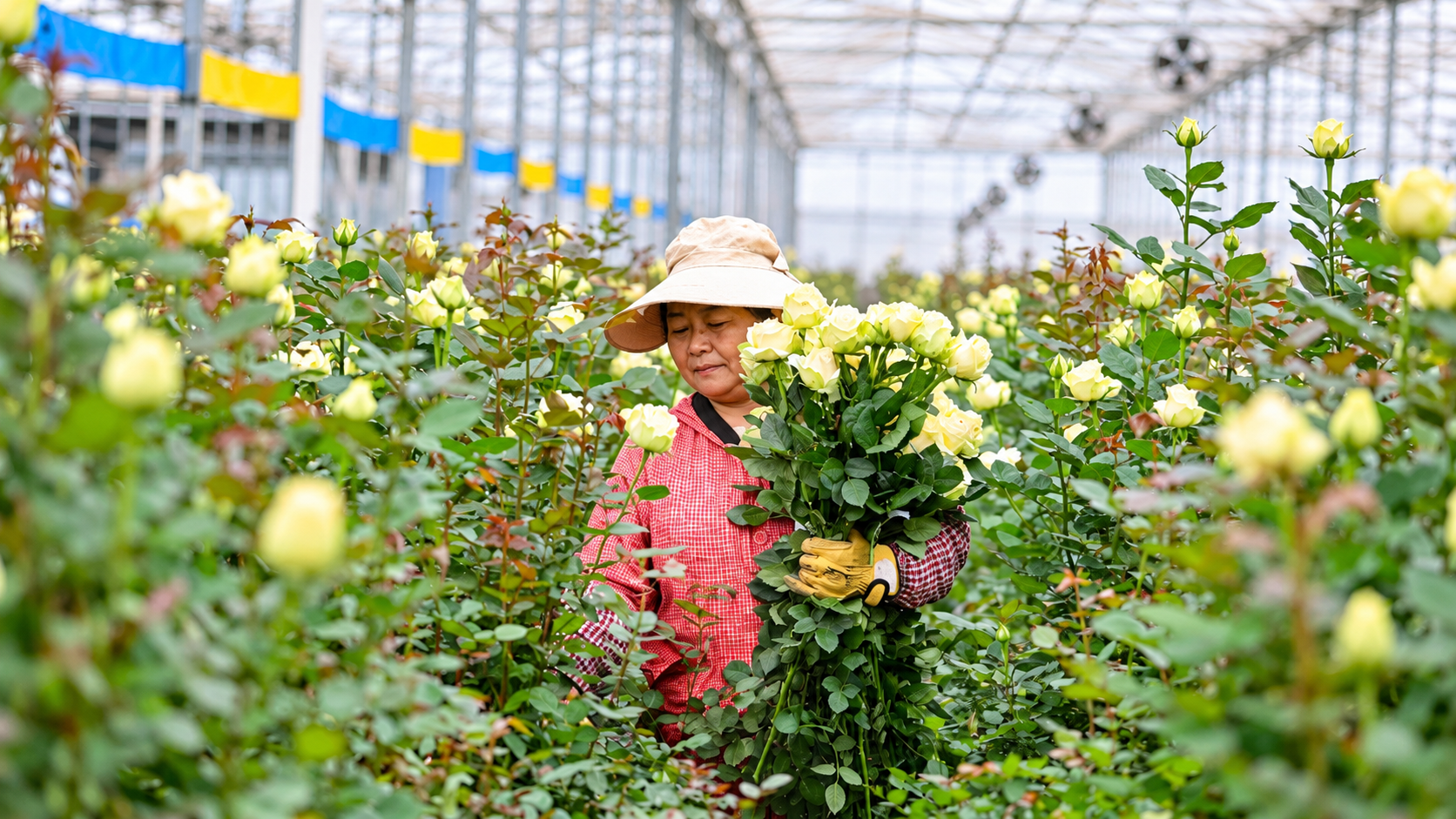
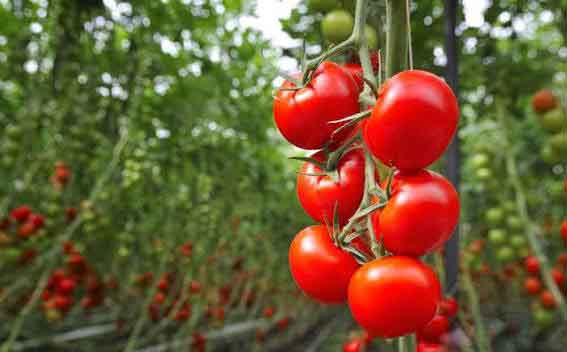
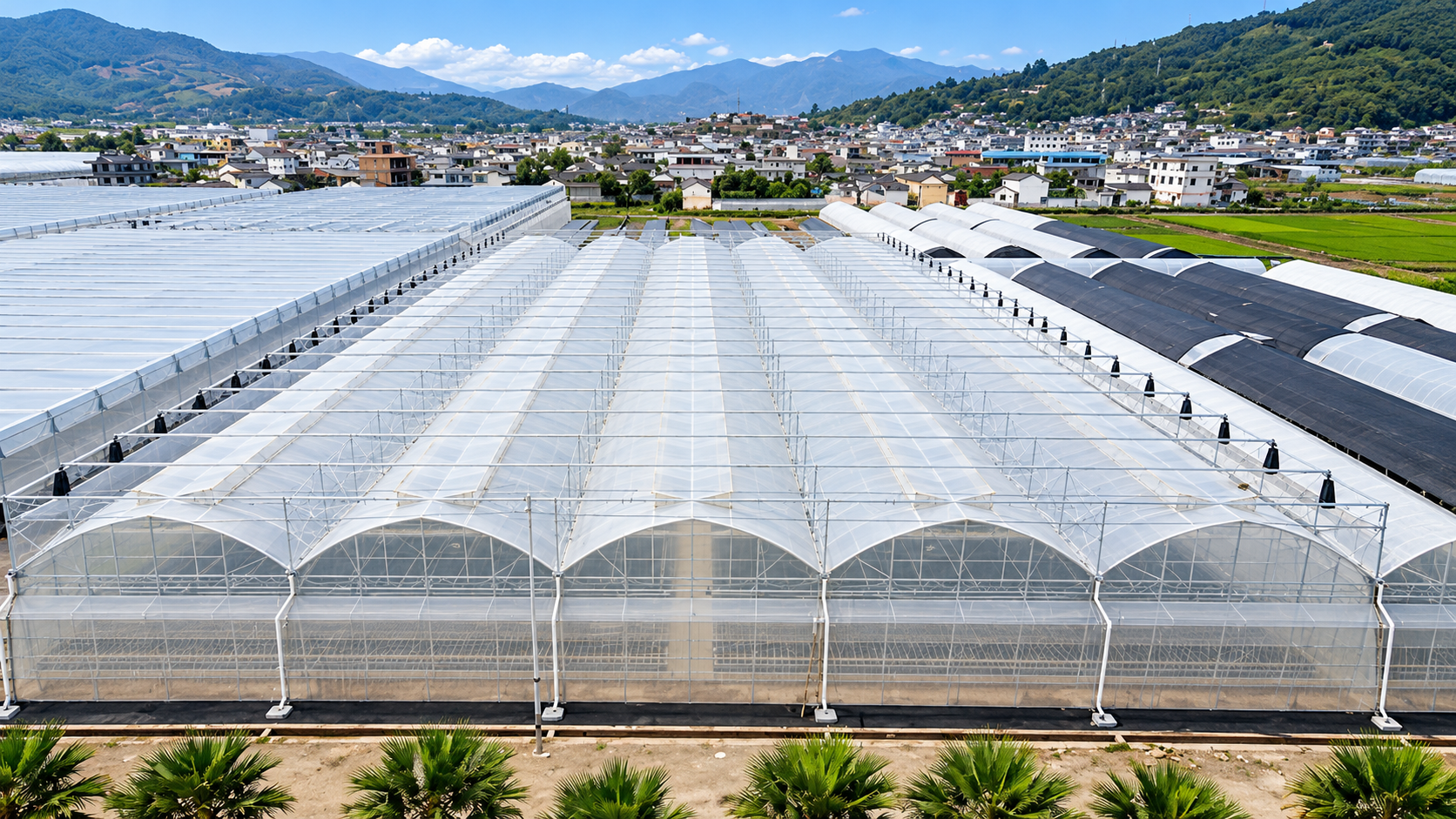
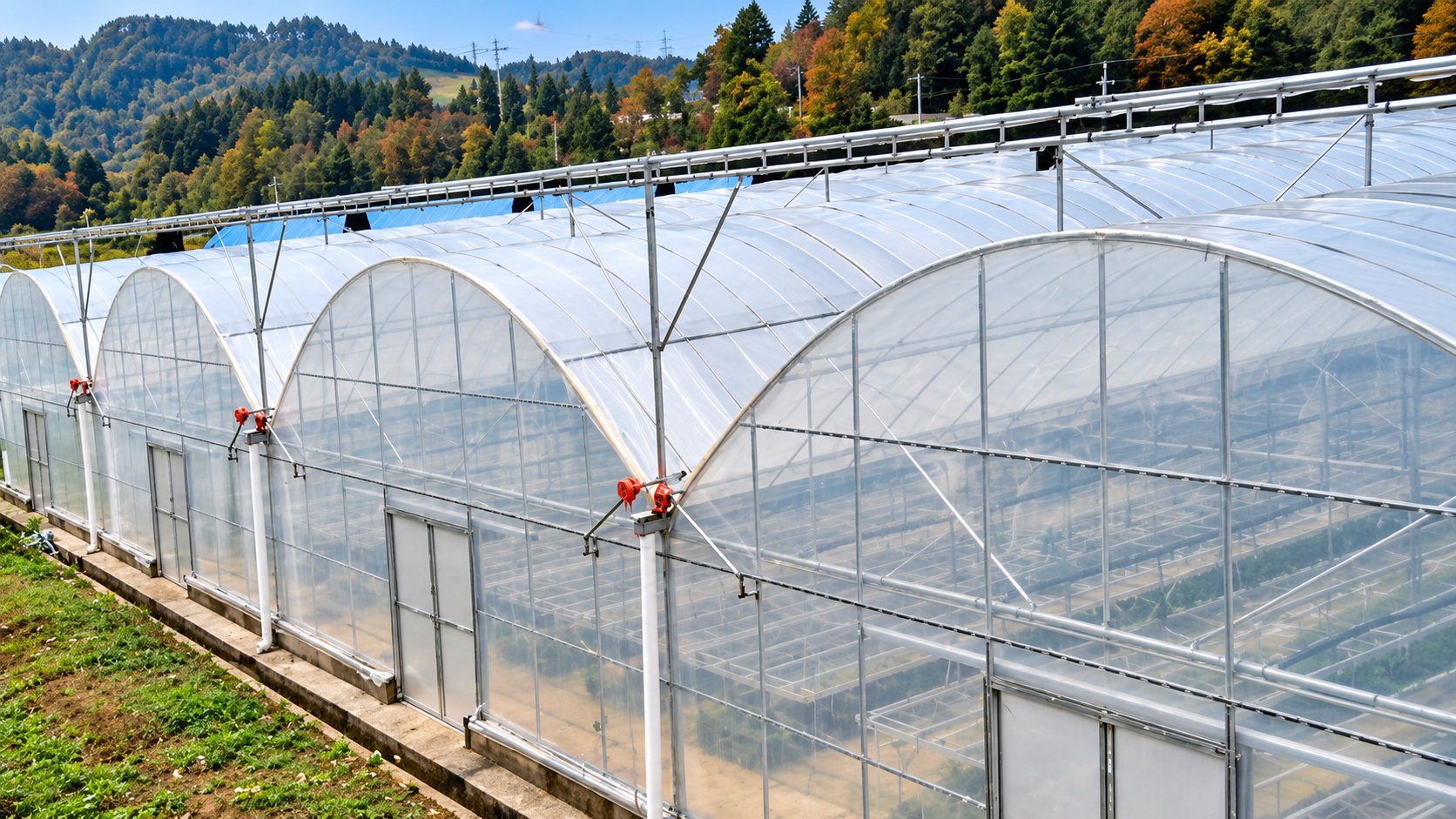
A multi-span film greenhouse connects adjacent arched or pointed-arch roof units through shared gutters, creating a continuous production area. The layout coordinates crop rows, working aisles, irrigation zones and service routes for tomatoes, cucumbers, peppers, strawberries, flowers and nursery plants. AgriNovix plans the structure around the intended crop workflow and operating requirements.
Lightweight covering and accessible film replacement support flexible equipment choices and phased development. Investment assessment should include replacement film, energy, water treatment, labor and maintenance alongside initial construction costs. The proposal defines supplied equipment, installation responsibilities and technical services so that the greenhouse can be evaluated as a complete production facility.
02. Galvanized structure engineered for the site
Columns, arches, trusses, purlins, bracing and connections form the load-bearing frame. The corrosion protection strategy must suit the humid growing environment. Structural calculations consider wind, snow, crop suspension, screens, pipes and equipment together, with a defined load path through column bases and foundations. Member sizes, wall thicknesses, bracing and anchors are project-specific.
AgriNovix coordinates frame connections with vents, gutters, screens and growing equipment during design. Before assembly, site teams check setting-out lines, foundation levels, ground conditions and anchor positions. Installation checks cover column alignment, fasteners and complete bracing. A lightweight film roof still requires proper engineering for wind suction, uneven snow accumulation and foundation movement.
03. Functional film and controlled covering installation
Suitable PE or PO agricultural films can be selected according to crop light needs and climate. Supplier specifications should confirm transmission, diffusion, UV stabilization, anti-drip behavior and thermal characteristics. Single-layer covering offers a simpler assembly; inflated double-layer covering can improve insulation where appropriate, with compatible inflation equipment, sealed details and regular maintenance.
Covering installation controls film orientation, overlaps, uniform tension and edge restraint. Lock channels, spring wires and contact surfaces must suit the film and avoid sharp edges, concentrated stress and wind-induced movement. Film thickness, warranty conditions and replacement intervals depend on the selected material and operating exposure; inspection and correct installation remain essential throughout service.
04. Dimensions planned around crops and working access
Span, bay spacing, gutter height and roof geometry influence usable growing area, air volume, structural response and equipment clearance. Layout planning considers plot shape, crop spacing, machinery access and future expansion. Final dimensions and foundation arrangements follow engineering review rather than a single standard configuration used in every country.
High-wire vegetable production requires clearance for crop supports, suspended loads, ventilation and maintenance. Strawberry, flower and nursery projects place different demands on growing gutters, benches and material handling. Planning clean access routes, entrances, service rooms and utility connections early helps prevent later modifications and conflicts between installation trades.
05. Ventilation, shading and coordinated climate management
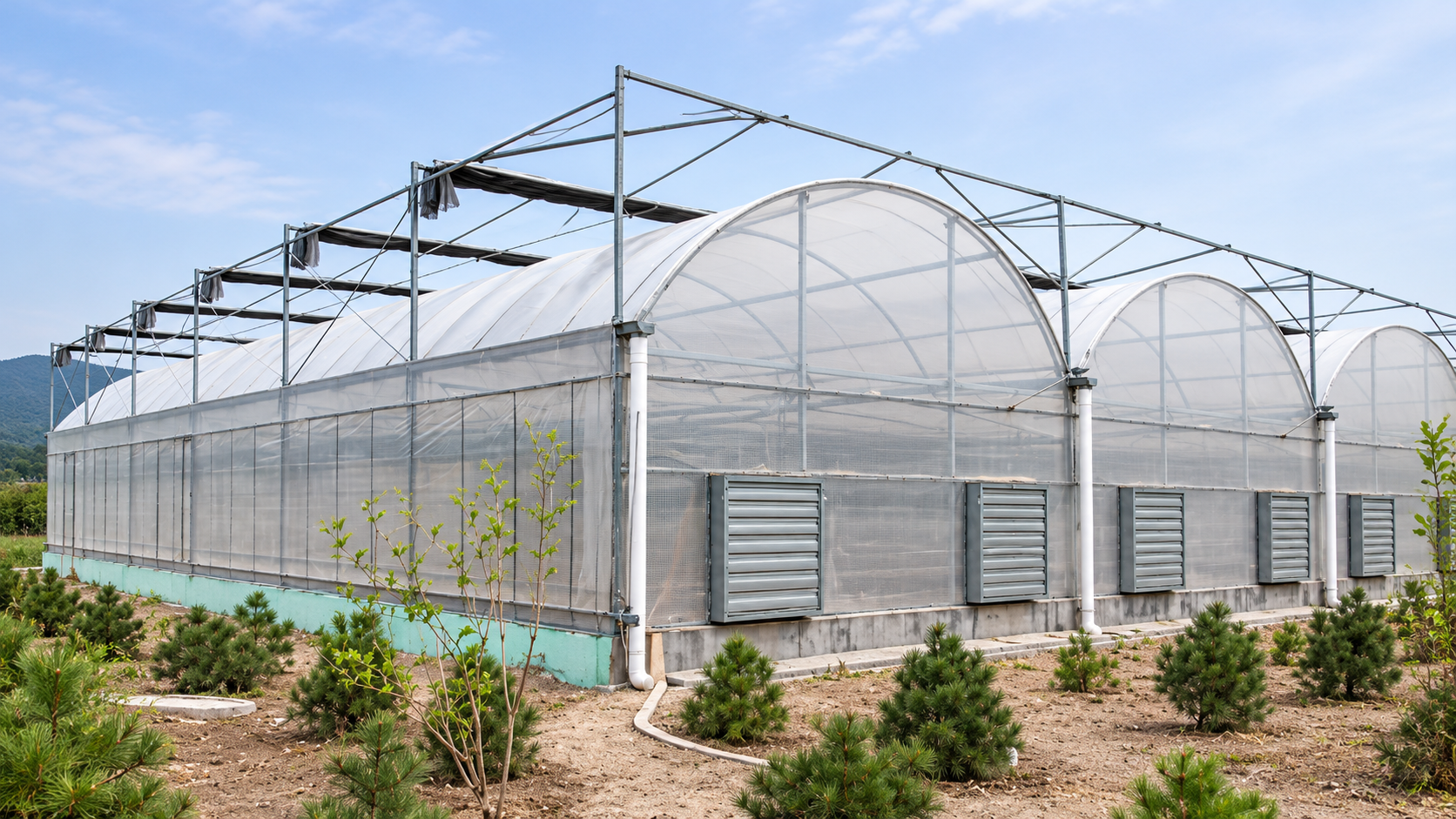
Roof ventilation, roll-up sidewalls or a combination can provide natural air exchange. Opening size and position depend on roof geometry, prevailing winds, temperature, humidity and crop requirements. Insect-screen resistance must be included when assessing effective airflow. Internal or external shading and circulation fans can be configured to manage radiation and air movement around the canopy.
Pad-and-fan cooling or fogging requires assessment of ambient humidity, water quality and drainage. Evaporative cooling deserves particular scrutiny in humid climates. Controls can coordinate vents, screens, cooling and heating, with agreed wind and rain protection, manual operation and alarm functions. Year-round production feasibility depends on the local climate and installed equipment.
06. Drainage, irrigation and growing systems designed together
Gutter slope, section, downpipe quantity and discharge routes are checked against roof catchment area and local rainfall conditions, then connected to the site drainage network. Installation inspection addresses sealed joints, low points and discharge paths to limit water entering production areas. Condensation management considers film anti-drip characteristics, roof details and crop hygiene.
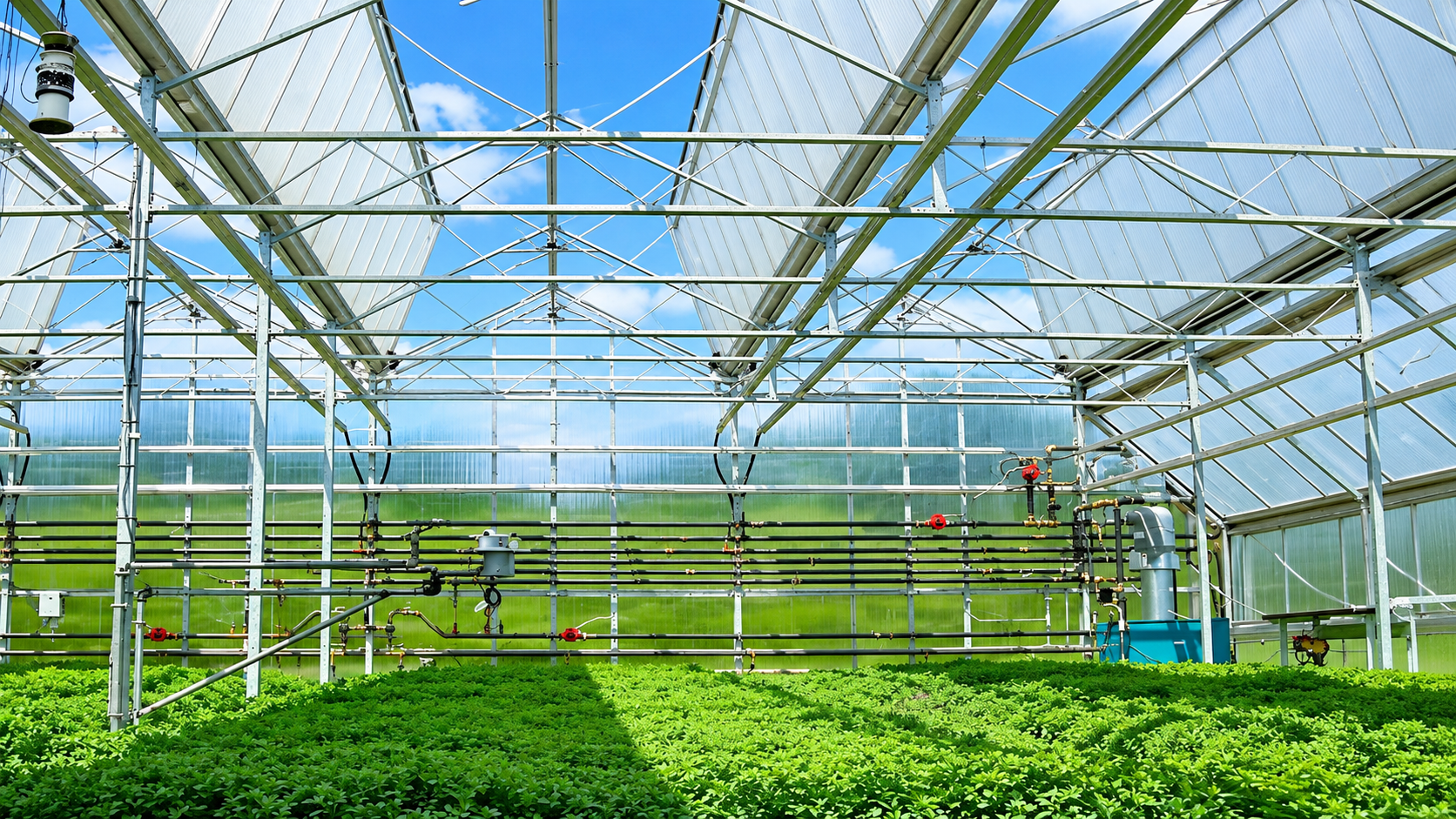
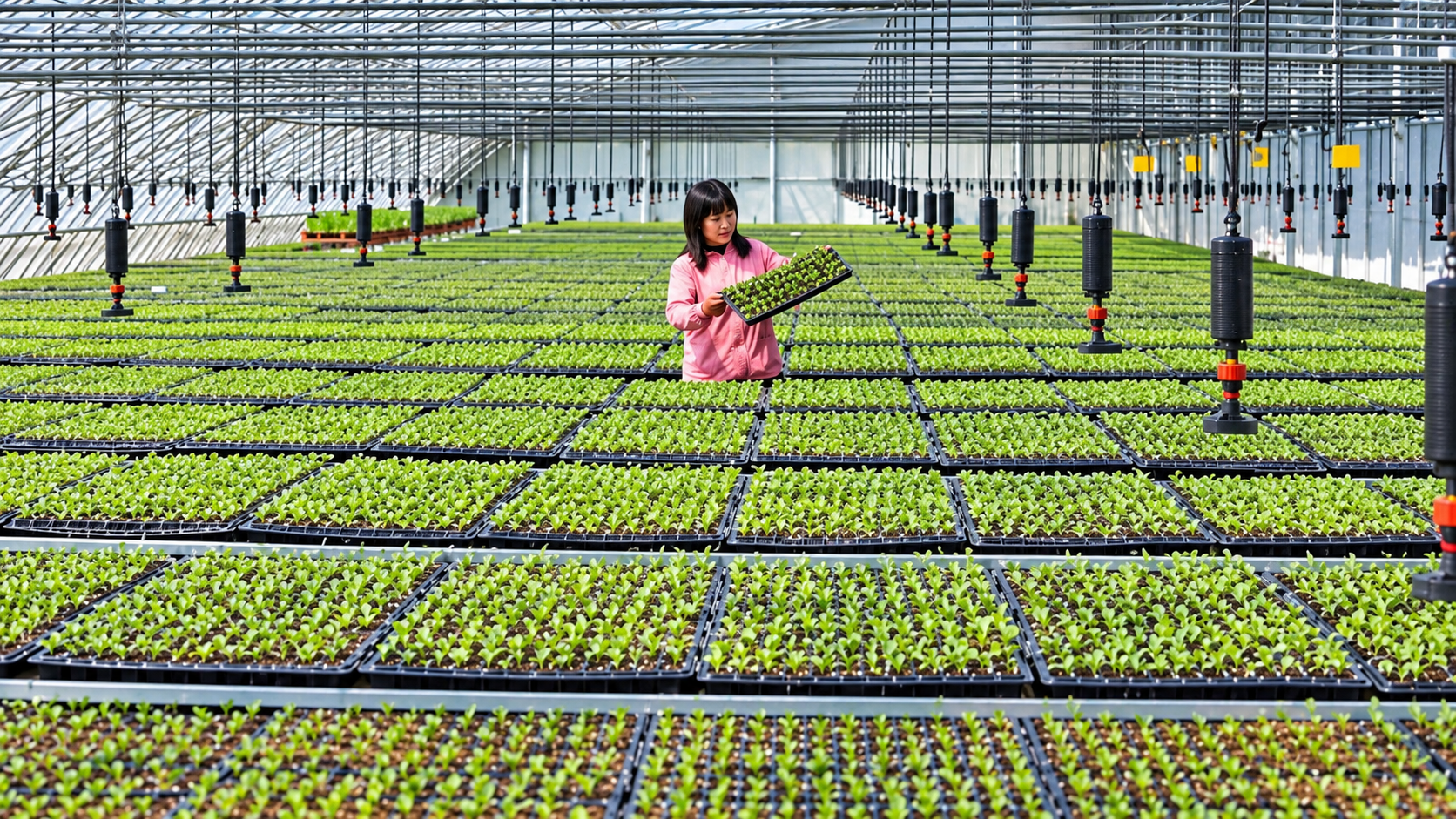
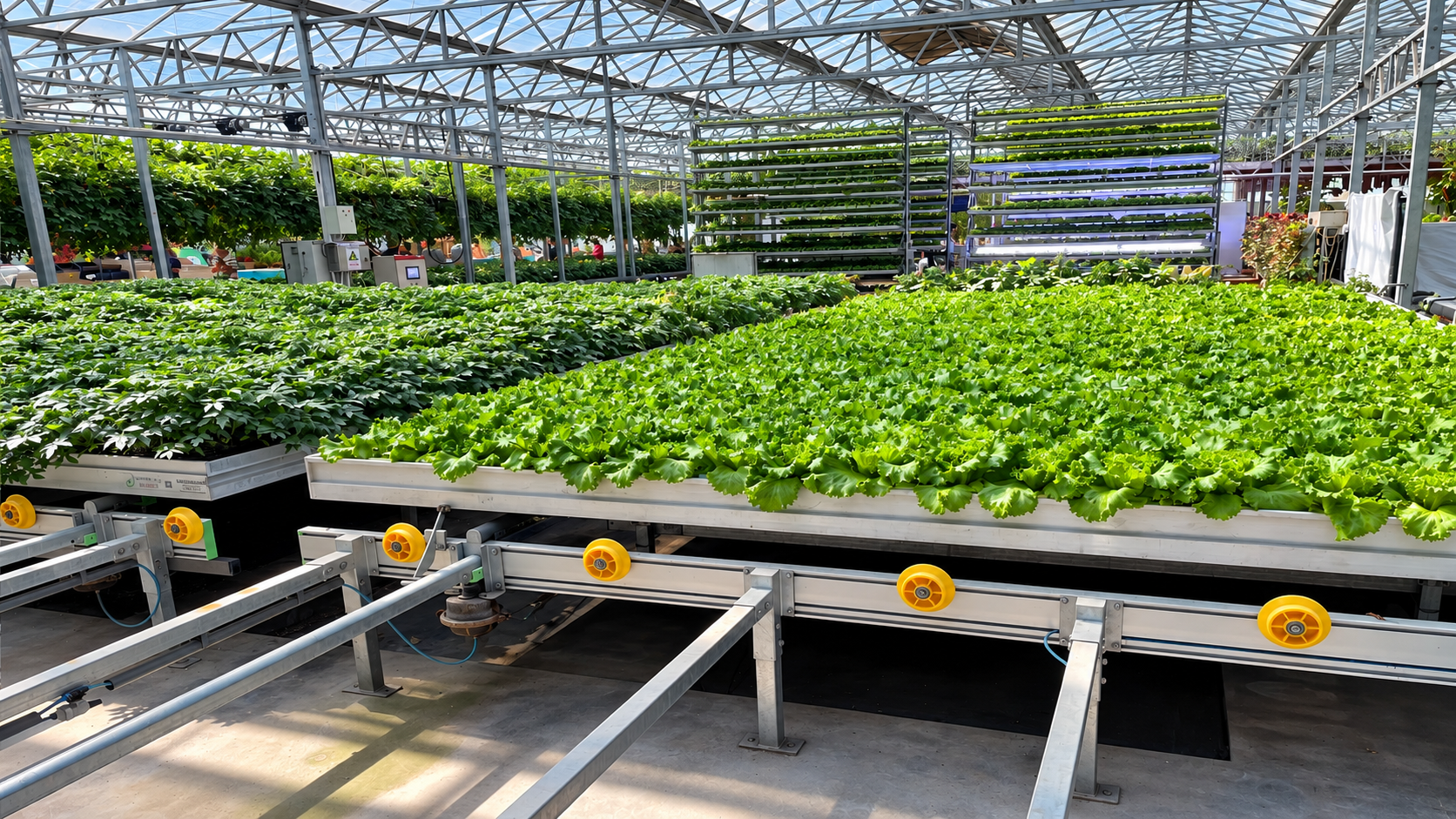
Soil, substrate or hydroponic production can be served by filtration, zoned valves, drip lines and dosing equipment. Optional EC and pH monitoring and fertigation controls should include access for flushing, servicing and sampling. Rainwater collection or nutrient-solution reuse requires water-quality assessment, suitable treatment and confirmation of crop compatibility, with equipment identified in the proposal.
07. Construction quality from foundations to film tensioning
Within the project agreement, AgriNovix provides drawings, component schedules, installation guidance and technical coordination. On-site construction or supervision responsibilities are explicitly defined. Work proceeds from site checks and foundation setting-out to frame assembly, gutters, covering and equipment connections, with inspection before the next stage. Component identification and packing lists support receiving checks and assembly planning.
Key controls include anchor position, column-base connections, bracing, gutter fall, film tension and vent travel. Film installation requires suitable weather and compliance with material handling instructions. Any coating damage or site cuts require the specified corrosion-protection repair. Documented checks and corrective action help address leakage, film abrasion and service-interface conflicts before handover.
08. Commissioning, operator guidance and maintenance
Agreed pre-handover checks cover vents, roll-up drives, screens, fans, pumps and controls. Teams verify movement direction, travel limits, sensor readings and protection logic; irrigation lines are flushed, pressure-tested and operated by zone. Drainage observations and mechanical and electrical checks are recorded separately, with final acceptance criteria established in the technical agreement.
Operator guidance covers seasonal ventilation, severe-weather response, filter cleaning, film inspection and replacement of wearing parts. Operating advice, spare-parts planning and remote technical support can be arranged within scope. For a buildable proposal, customers should provide the location, area, crops, climate and ground information, utility conditions and required automation level.