Product Details
01. Polycarbonate Covering Within a Complete Growing Environment
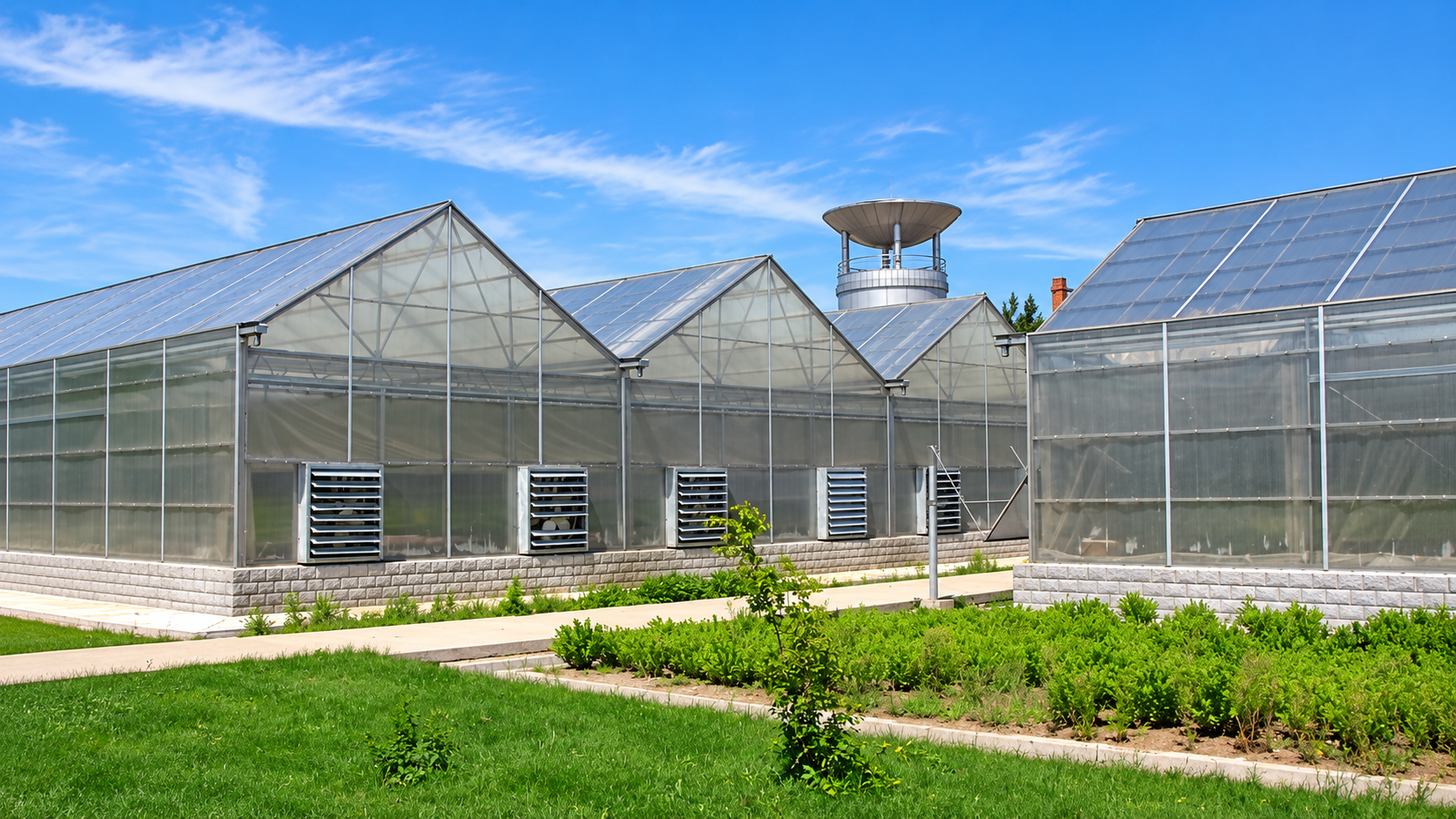
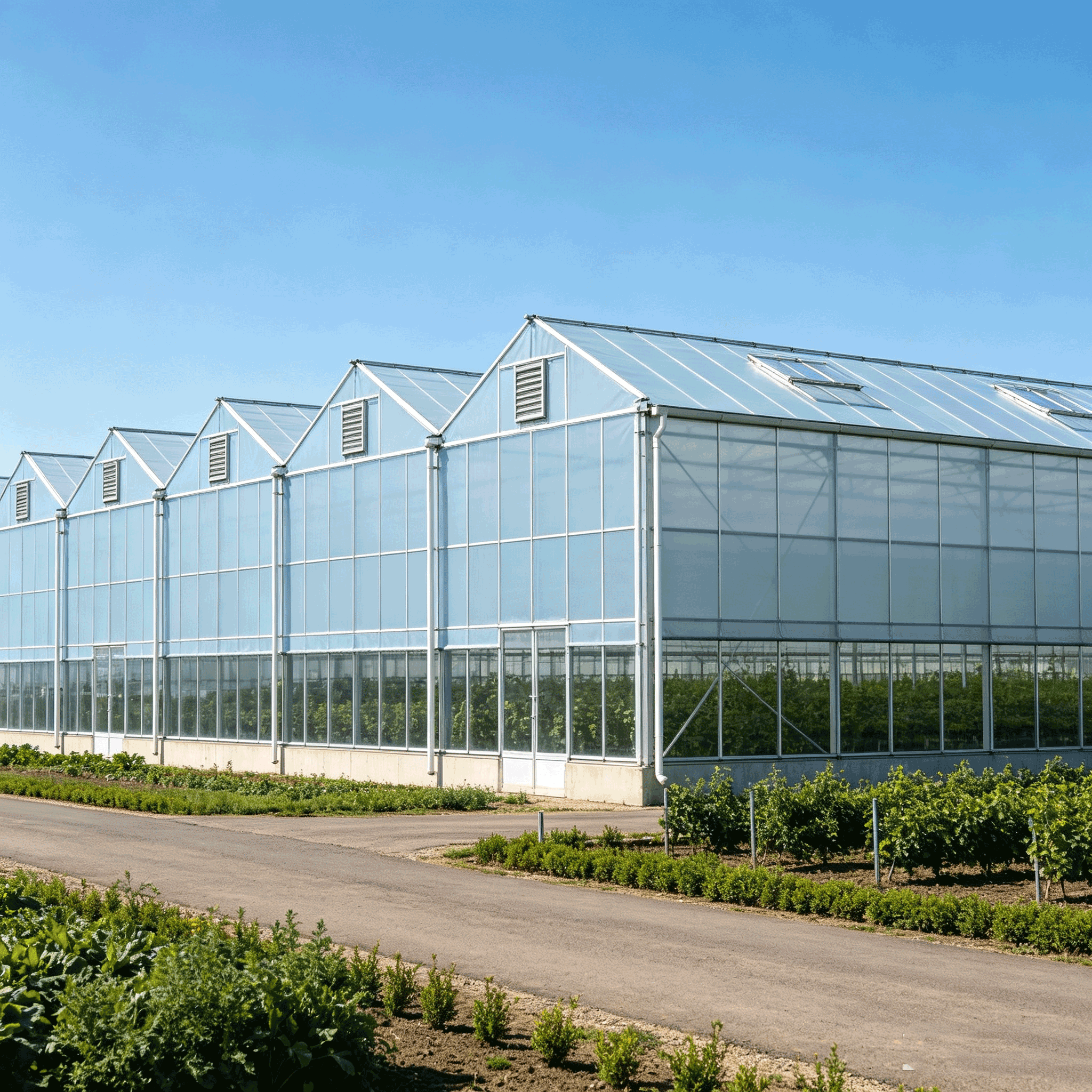
A polycarbonate greenhouse combines a supporting structure with polymer sheet covering selected for the production environment. Multiwall and solid sheet products have different characteristics, so the covering description should identify the actual material proposed. The complete greenhouse must balance crop light requirements, heat management, structural performance and practical operation.
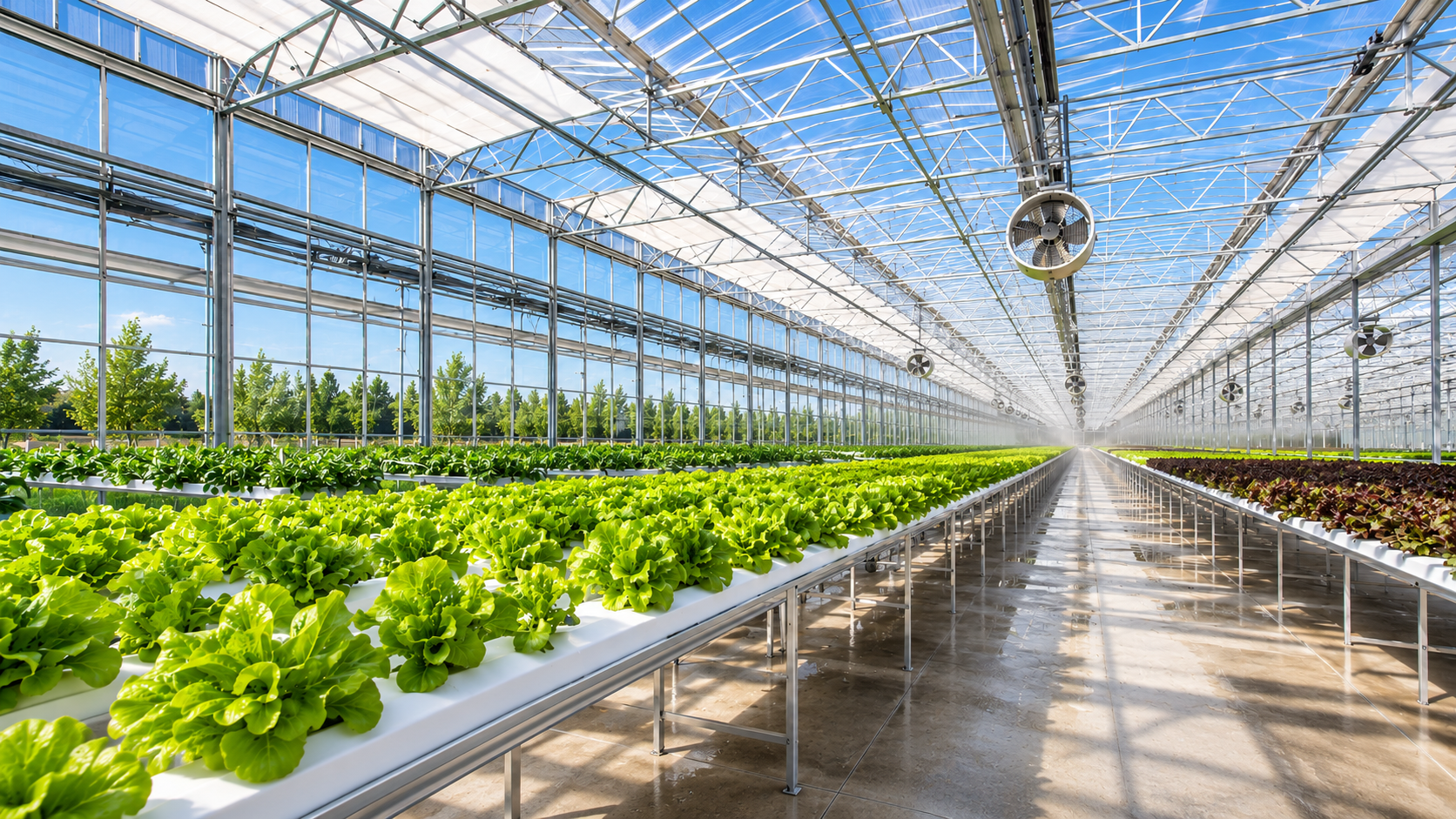
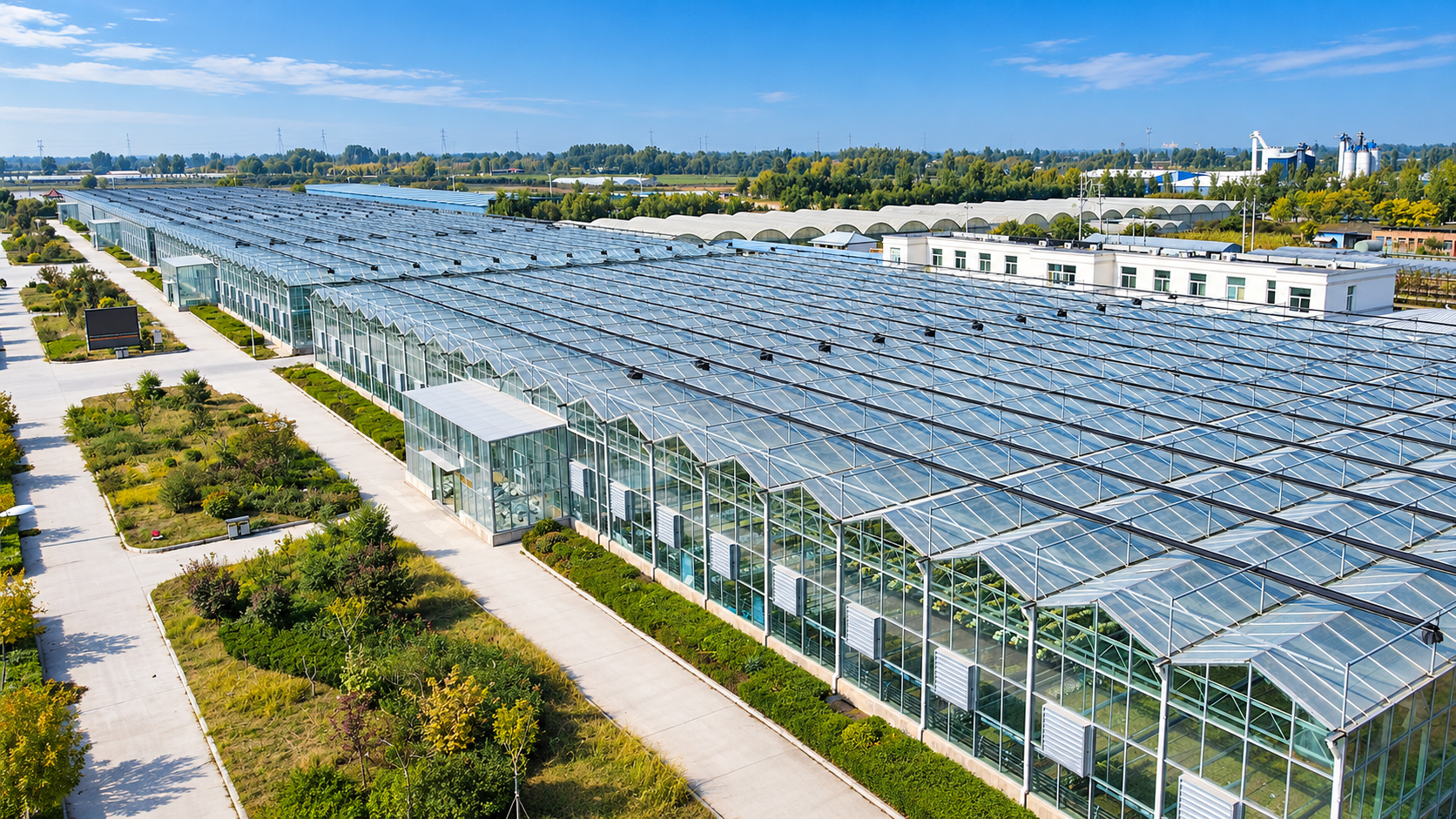
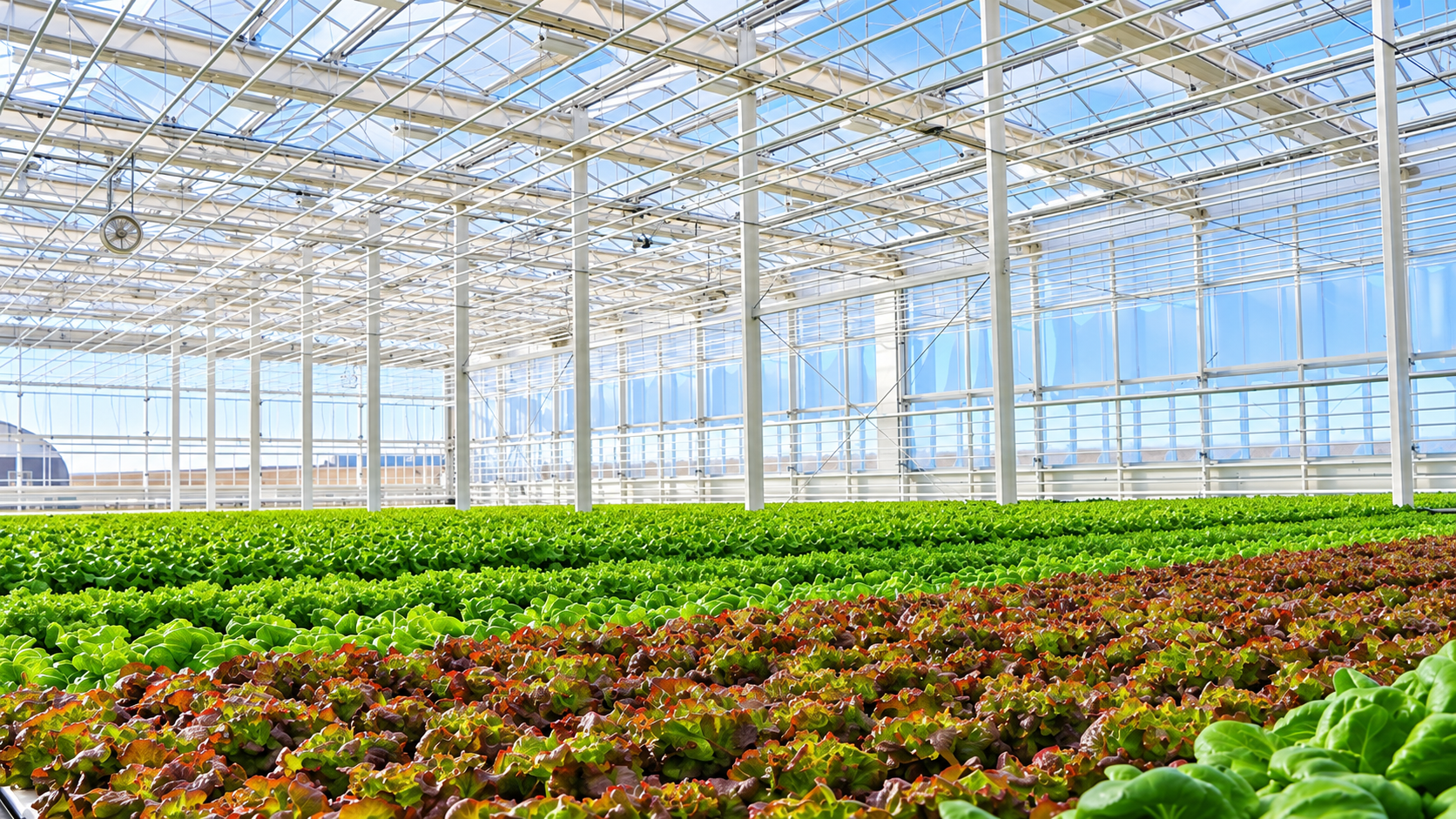
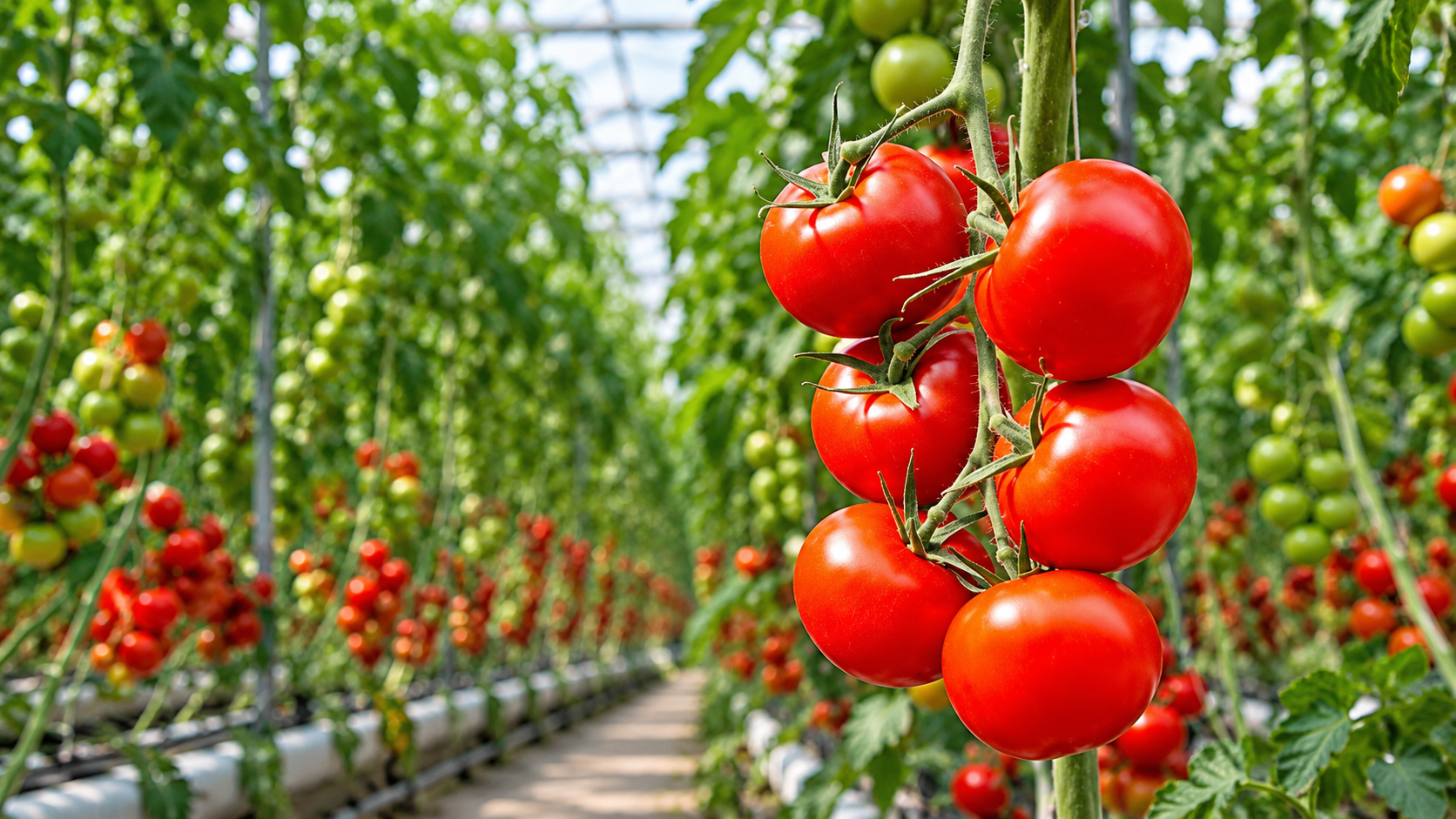
Commercial applications may include vegetables, flowers, propagation and demonstration facilities where the chosen covering suits local conditions. For an AgriNovix project, the crop programme and operating season define the planning brief. The building, ventilation and growing equipment then form a coordinated configuration rather than a collection of independently selected components.
02. Coordinate Sheet Modules with the Supporting Structure
The frame and glazing supports must match the sheet dimensions and fixing system. Support spacing, edge engagement and connection details require confirmation for the selected material and design loads. A numbered panel schedule helps the installation team distinguish roof sheets, sidewall sheets and openings before materials arrive on site. Foundation levels, anchor positions and frame alignment should be checked against approved drawings before covering installation begins.
Polycarbonate expands and contracts with temperature changes. Fixings and profiles must accommodate that movement according to the material supplier's instructions. Installation details that work for one sheet construction may not suit another, making it important to review the complete assembly instead of specifying only a nominal sheet thickness.
- Identify the sheet construction and compatible support profiles.
- Confirm support spacing through the project design.
- Allow thermal movement at fixings and edges.
- Coordinate roof, wall and opening-panel dimensions.
03. Assess Light and Thermal Properties Using Material Data
Sheet thickness, internal structure, surface treatment and colour influence the light reaching the crop. Request documented optical information for the exact product offered. Compare these properties with the crop's needs and the shading created by structural members, screens and equipment, rather than assessing the covering alone.
Thermal performance also depends on the complete building, including connections, openings and air leakage. A multiwall sheet may contribute insulation, but it does not establish the greenhouse's heating requirement by itself. Evaluate seasonal operation with the proposed envelope and climate equipment before making energy or growing-season assumptions.
- Confirm the specified light-transmission and diffusion properties.
- Identify the orientation of any protective surface treatment.
- Review thermal information for the complete sheet product.
- Assess shading and envelope details alongside covering selection.
04. Detail Water Management and Sheet-End Protection
Roof slope, drainage channels and panel joints must direct water away from the growing area as intended. Multiwall sheets require appropriate treatment of their open ends, following the supplier's installation system. Poorly coordinated closures can allow contamination or interfere with drainage and ventilation within the sheet structure.
The project drawings should show how roof sheets meet gutters, walls and ventilation openings. Review condensation management and the location of water-sensitive equipment inside the greenhouse. These details are easier to resolve before construction than after plants, benches and utility lines have been installed beneath the covering.
- Follow the specified sheet-end closure arrangement.
- Coordinate roof joints with gutters and discharge points.
- Keep drainage routes accessible for inspection.
- Protect electrical equipment from foreseeable water exposure.
05. Match Ventilation and Shading to the Crop
The covering does not eliminate the need to remove excess heat and moisture. Natural openings or mechanical ventilation should be assessed for the climate, greenhouse dimensions and crop canopy. Screens, partitions and nearby buildings can affect airflow, so their influence belongs in the ventilation discussion from the beginning.
Internal or external shading may be considered where crop and climate conditions require it. Review the interaction between shading, ventilation and lighting before selecting controls. Sensor locations should represent the managed crop environment, while the operating team needs clear instructions for seasonal adjustments and unusual weather conditions.
- Describe the crop's temperature and light-management needs.
- Coordinate vents with insect screens and internal equipment.
- Identify the proposed shading location and support requirements.
- Define climate-control responsibilities and operating priorities.
06. Construction Planning Focused on Panel Installation
For an AgriNovix installation package, the agreed construction scope should connect foundation preparation, frame erection, panel fixing and equipment installation. Confirm responsibilities for unloading, temporary storage, lifting and site access before work starts. Panels need supported storage and careful handling; protective films and identification marks help installers maintain the correct sheet orientation until the relevant installation stage.
Installation quality depends on details that remain important after handover. Check panel engagement, thermal-expansion allowances, compatible seals and fastener tightening against the selected manufacturer's instructions. Avoid treating sheets as walking surfaces or forcing a distorted frame into alignment with the covering. Record concealed connections and resolve installation discrepancies before they become difficult to inspect.
- Coordinate foundations, anchors and frame alignment before panel fixing.
- Keep panel references and protective-side markings identifiable.
- Use compatible profiles, seals and fixings for the selected sheet.
- Check expansion clearances and closure details before acceptance.
07. Integrate Production Equipment with the Building
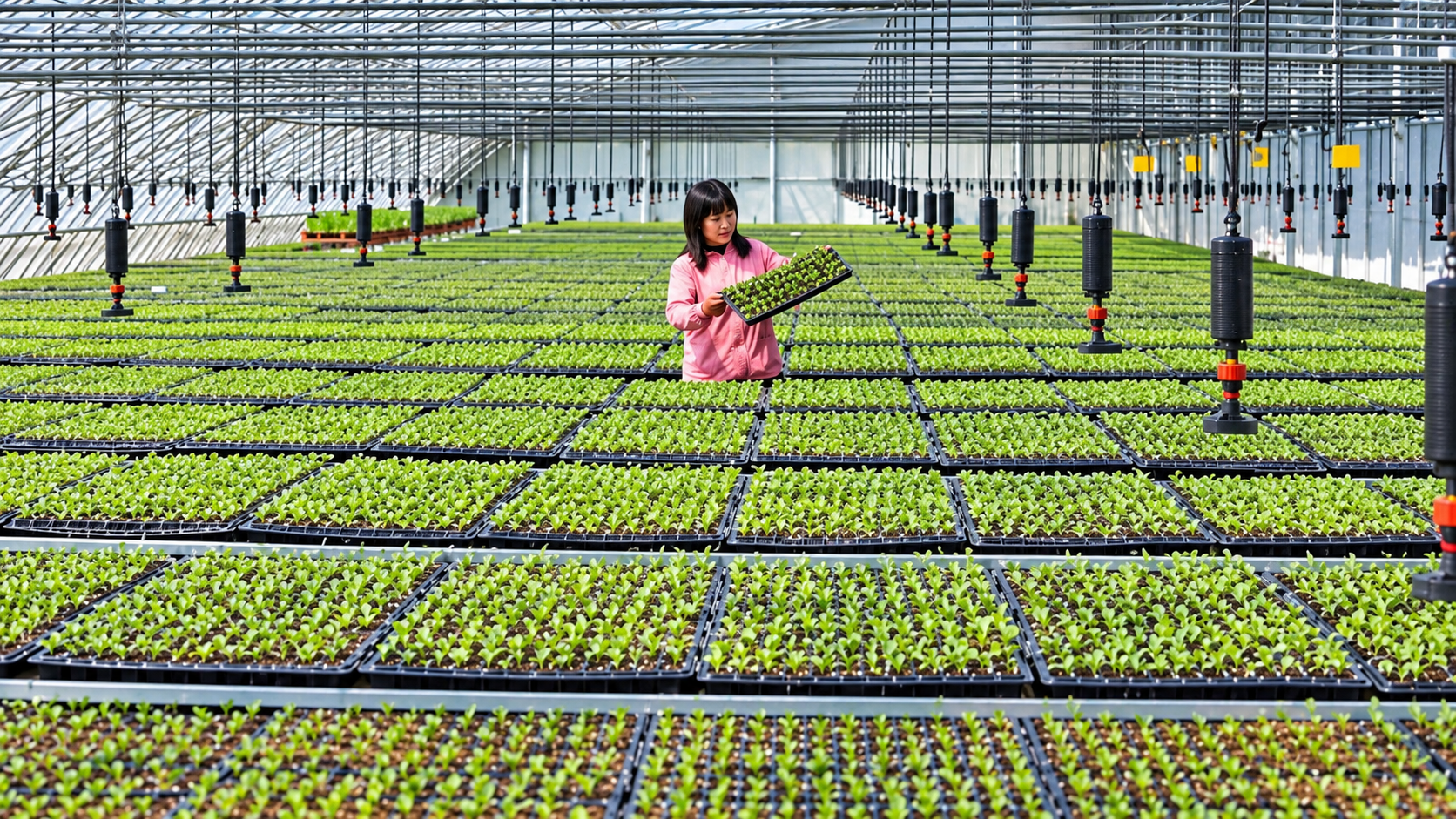
Benches, growing gutters, irrigation lines and climate equipment need agreed locations and support arrangements. Loads should be transferred through the designed structure rather than attached to covering components without assessment. The layout should leave practical working space around valves, drives and other equipment requiring regular attention.
Installation and commissioning should include covering details as well as operational systems. Check panel fixing, drainage, vent movement and the agreed controls before production begins. The acceptance plan should include inspection of joints and drainage paths, operational checks and a documented list of outstanding items. Clarify who supplies civil works, utility connections and crop equipment so that the completed greenhouse can be accepted against a consistent scope.
- Confirm equipment loads and structural attachment points.
- Coordinate water and power distribution routes.
- Check openings and seals during installation acceptance.
- Train staff using the installed covering and equipment documentation.
08. Define the Polycarbonate Greenhouse Project
Share the site location, growing area, crop programme and seasonal operating objectives with AgriNovix. Include available water and power, local structural requirements and any preferred sheet characteristics. Existing drawings and photographs help explain access restrictions or connections to facilities already operating on the site.
The project proposal should identify the covering product, frame design, climate equipment and supply boundaries. Request supporting information for material properties and confirm final dimensions and ratings in the agreed documents. Keep panel references and manufacturer-approved cleaning instructions available for maintenance. Cleaning agents and access methods must suit the sheet and its coatings. This provides a practical basis for comparing configurations and planning safe panel replacement throughout operation.
- Identify crops, growing methods and intended operating months.
- Provide site conditions and available utilities.
- Describe covering preferences and maintenance access.
- Confirm installation, acceptance and service responsibilities.