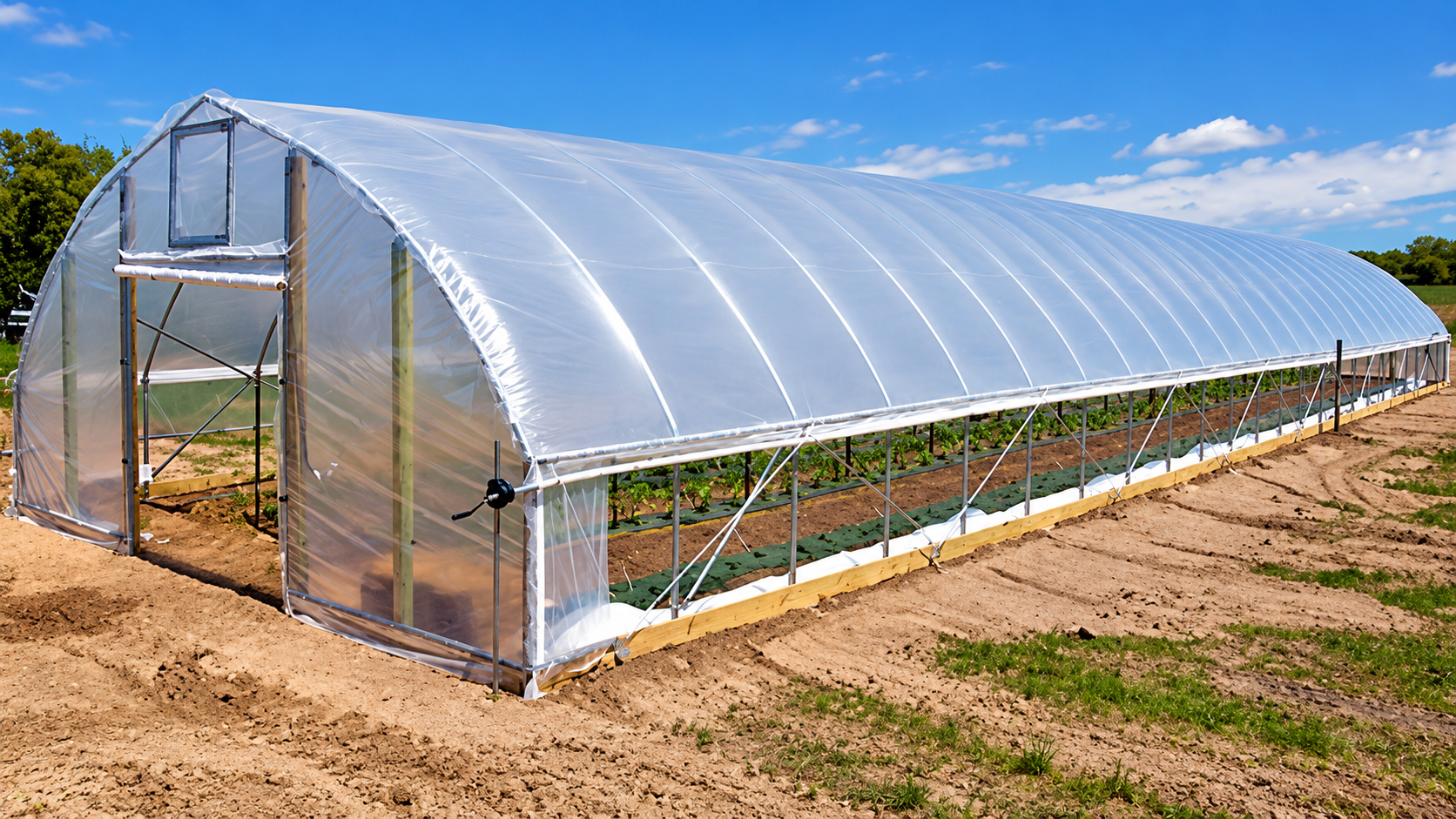
Product Details
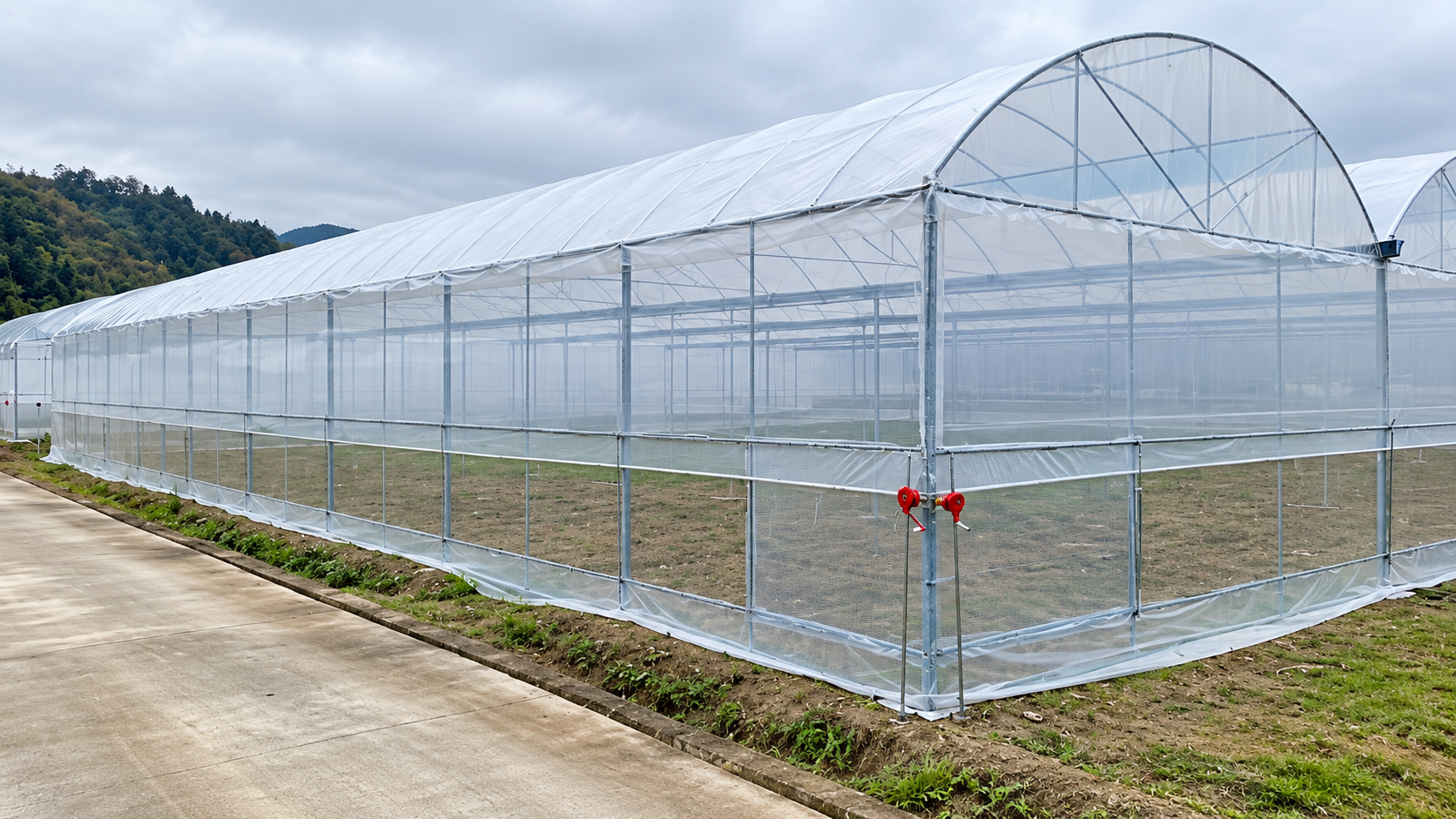
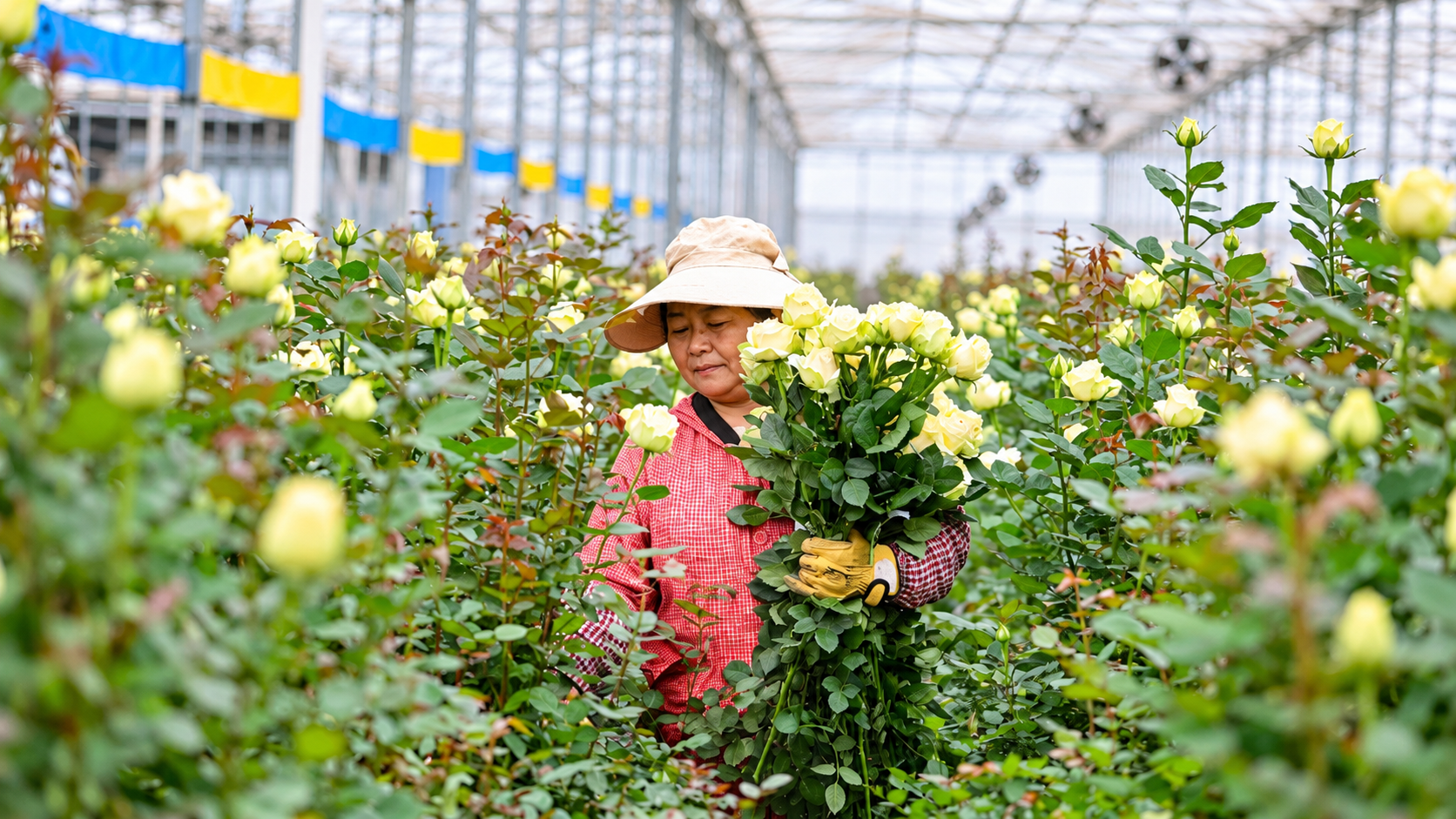
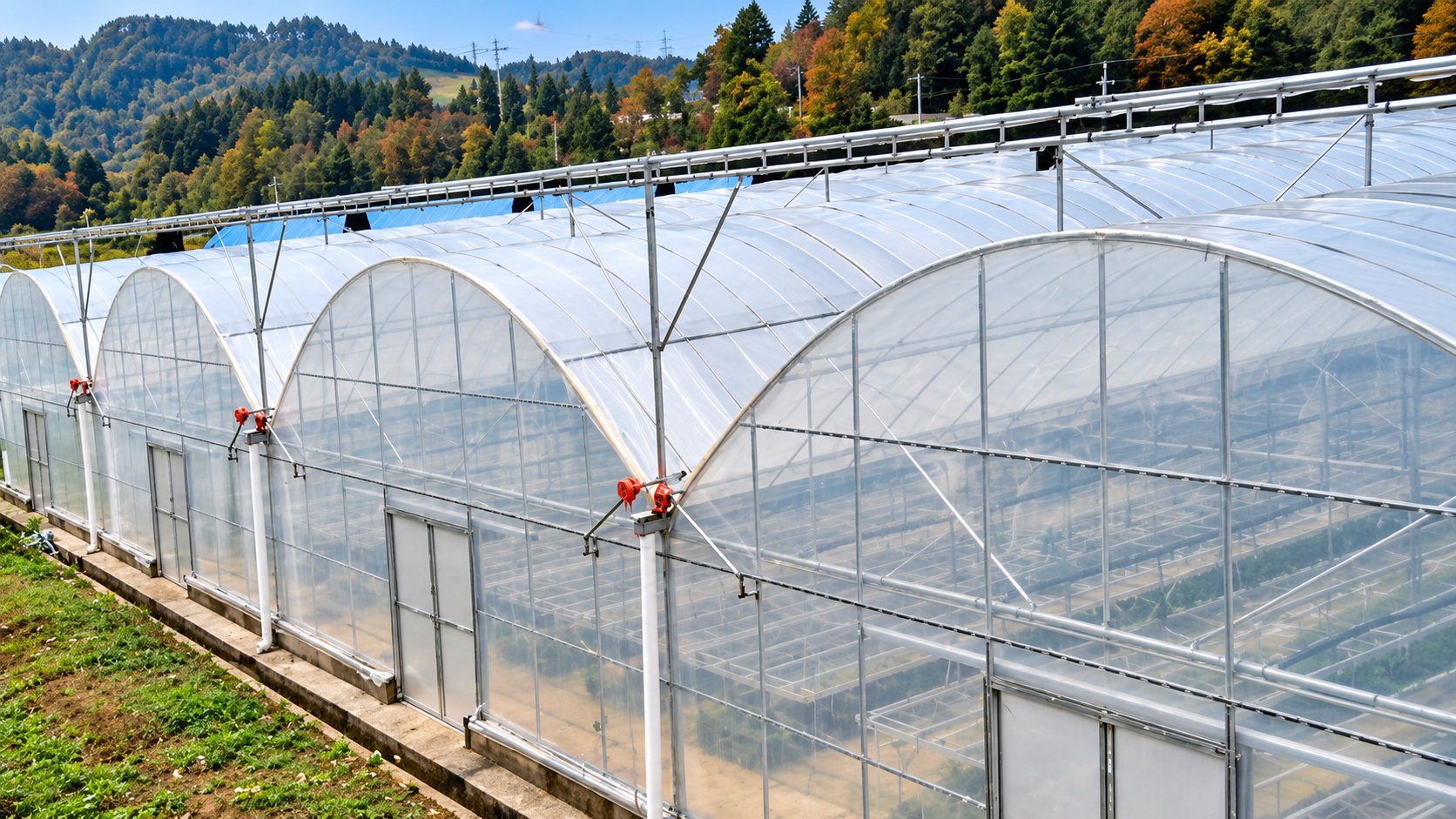
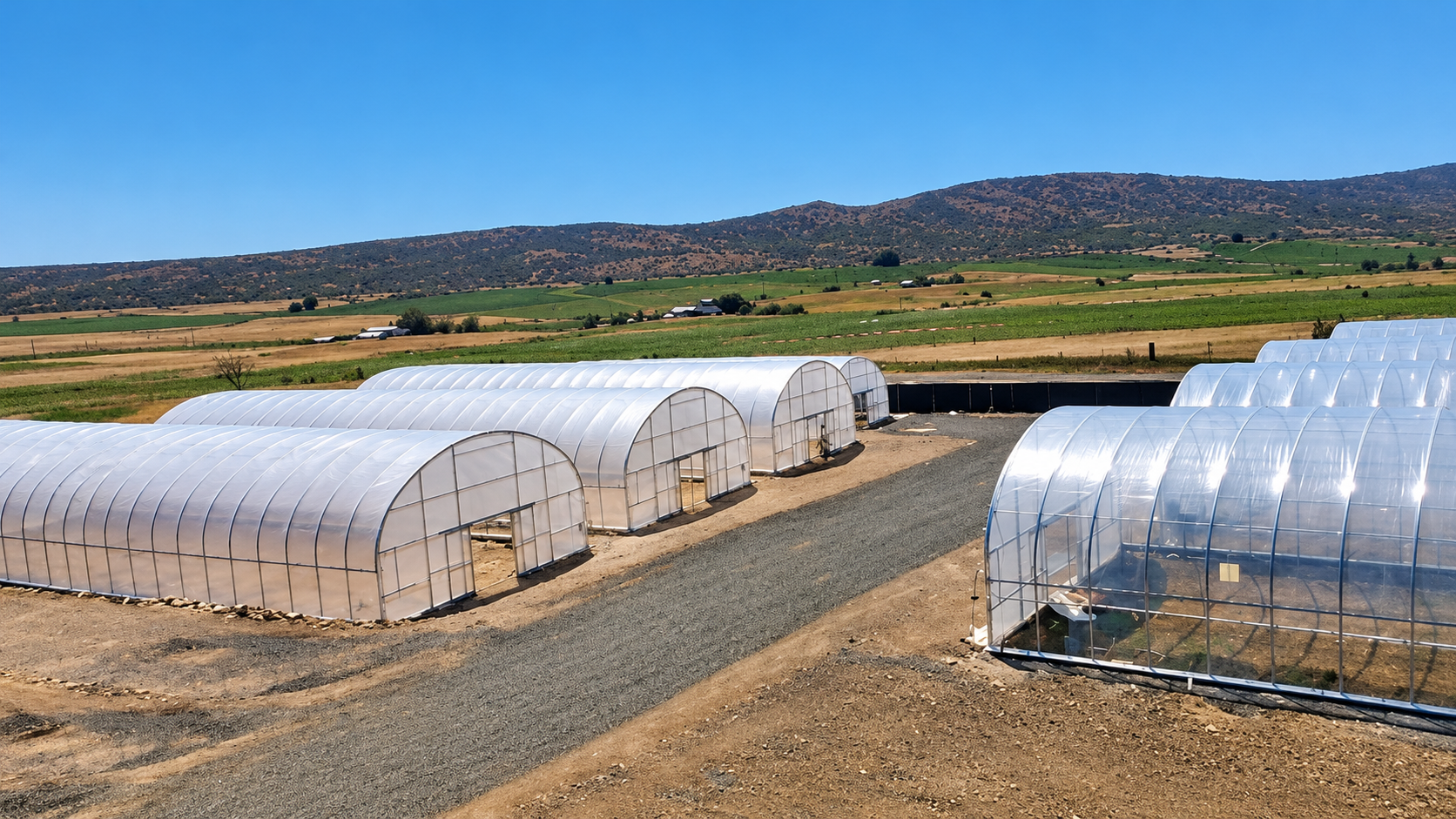
AI-generated product illustrations showing construction concepts and applications. Actual specifications follow the engineering design; these are not photographs of completed projects.
01. An independent single-span structure for professional growing
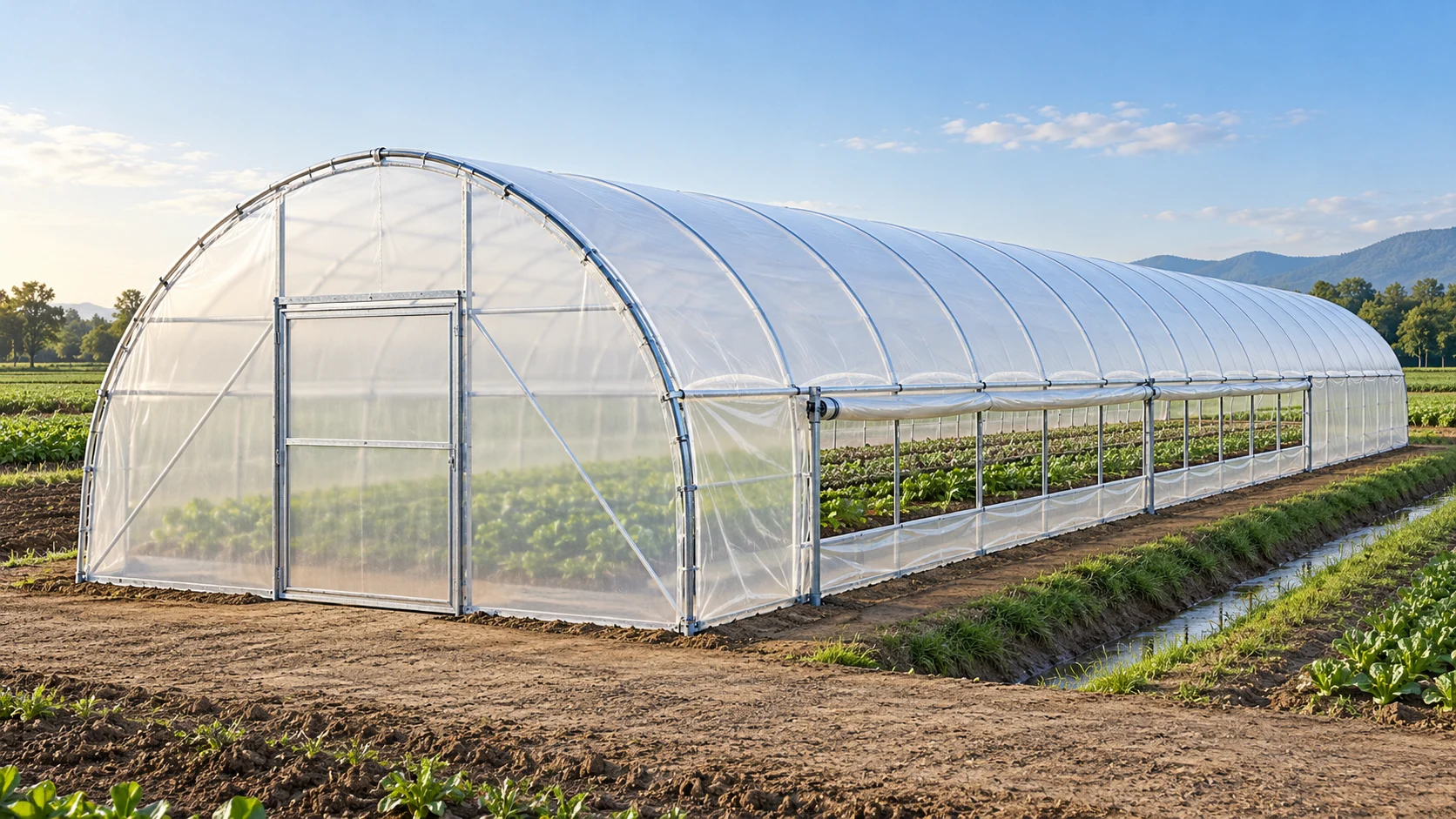
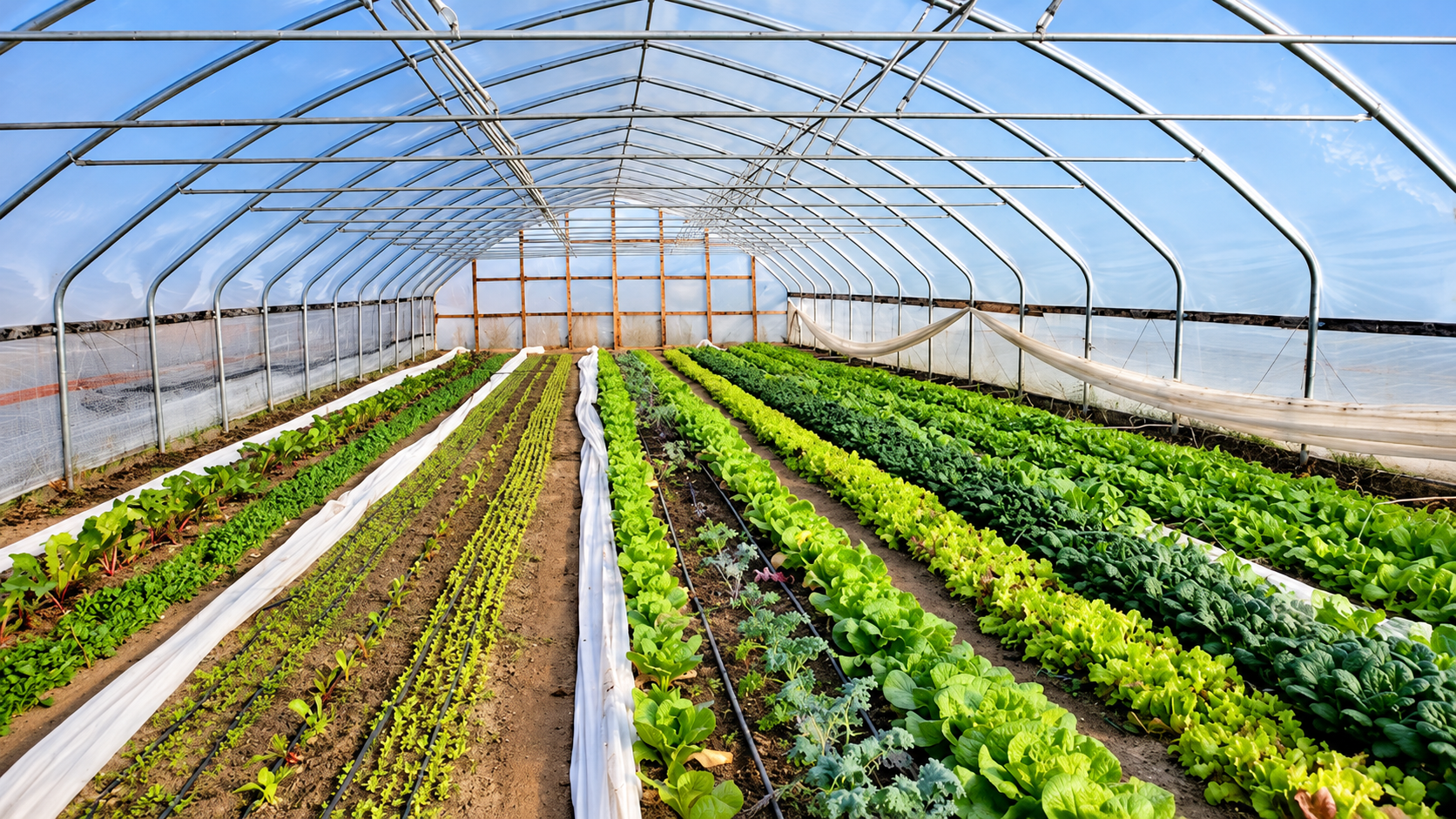
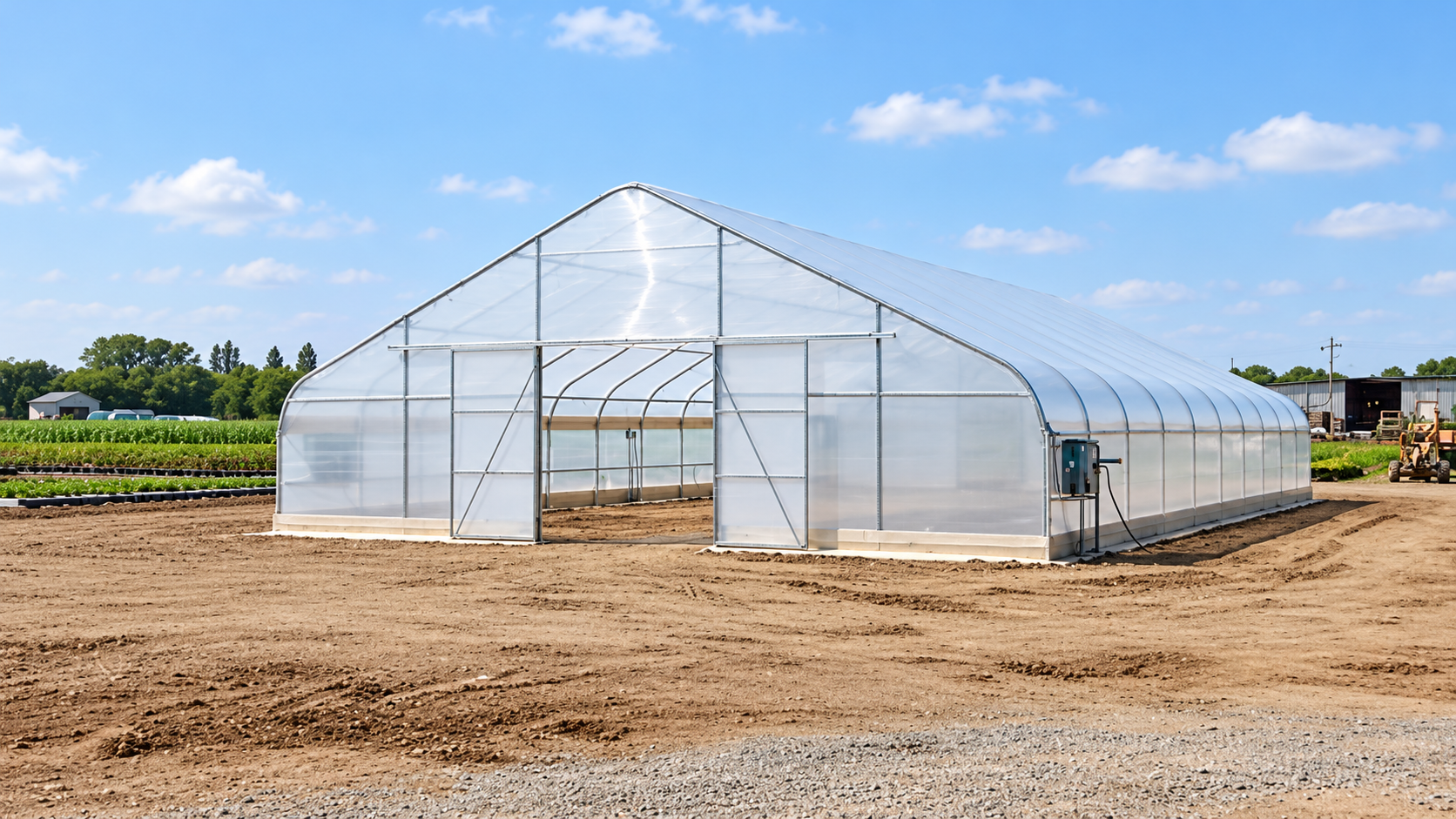
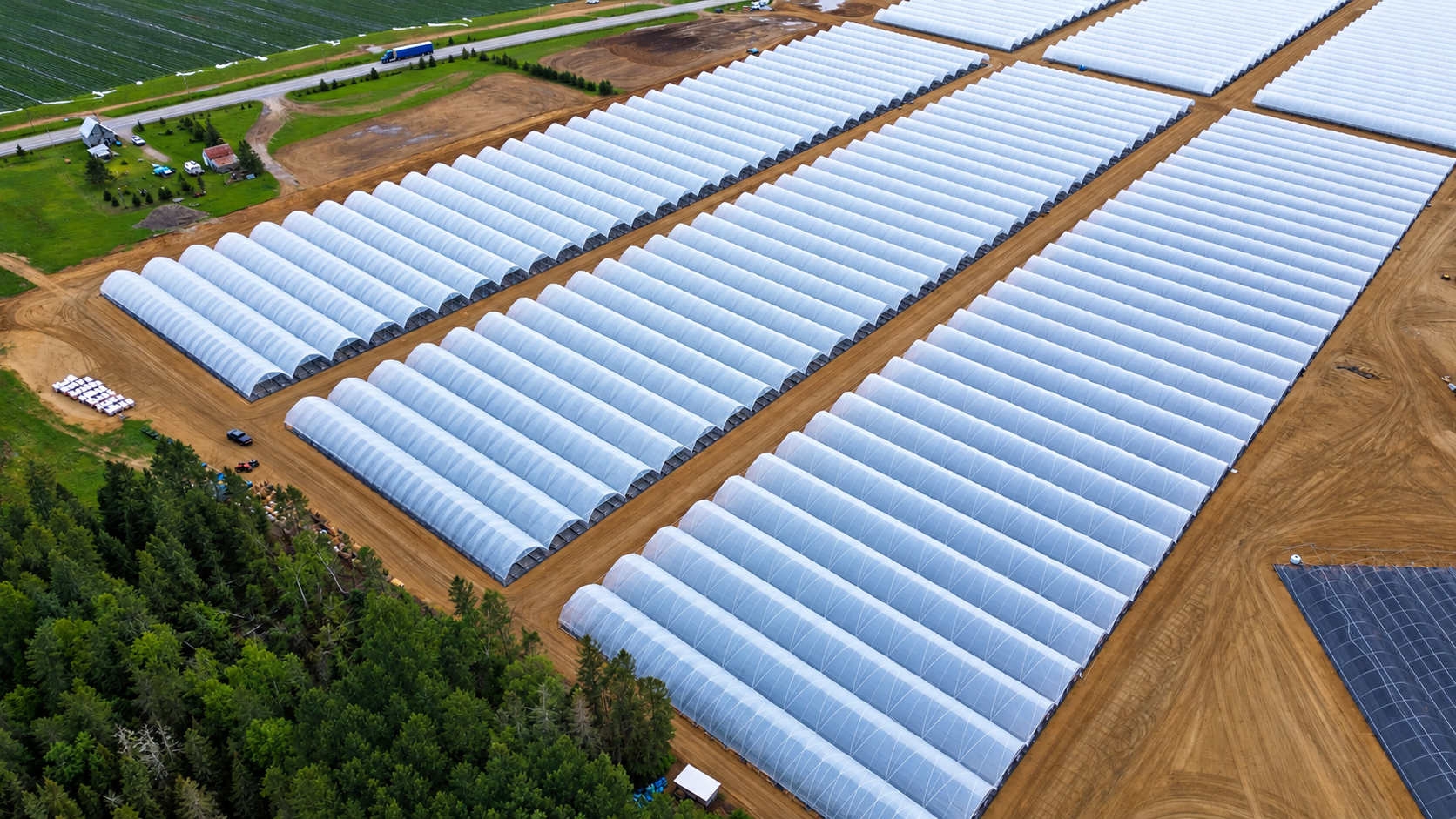
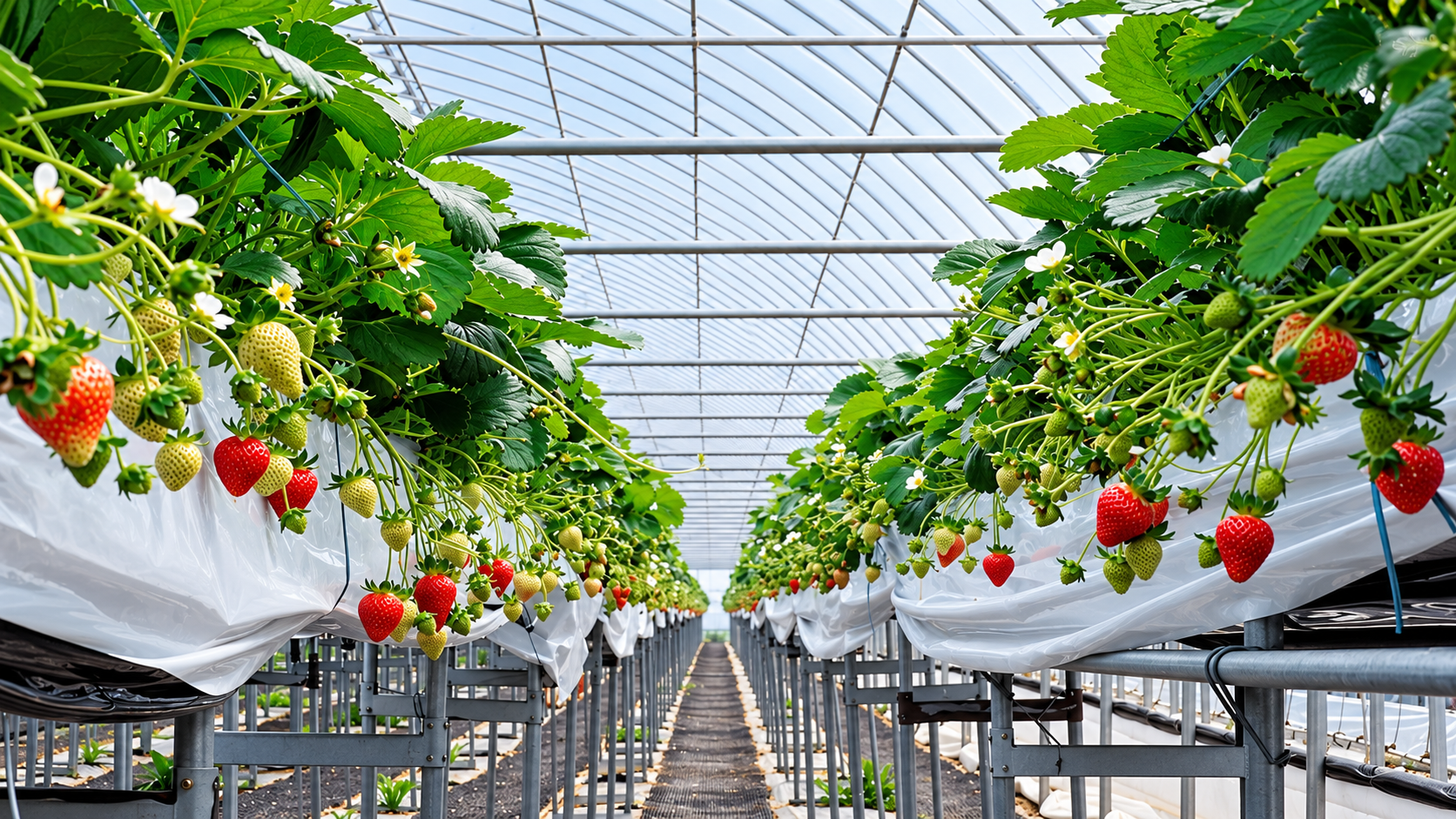
A tunnel greenhouse consists of repeated arches along its length, longitudinal connections and agricultural film. Each unit forms an independent growing space without shared gutters connecting adjacent roofs. It serves vegetables, strawberries, flowers and nursery production; multiple units can be arranged by plot, crop and management zone. AgriNovix coordinates orientation, spacing, access and utility connections around the production workflow.
The relatively simple structure supports phased development, separate crop management and covering maintenance, but a professional tunnel still needs engineered framing and anchoring. Project assessment should include production season, crop value, labor, replacement film and energy. Relocation, reassembly and year-round growing depend on the foundation arrangement, local climate and installed equipment.
02. Frame and anchoring designed for wind, snow and ground conditions
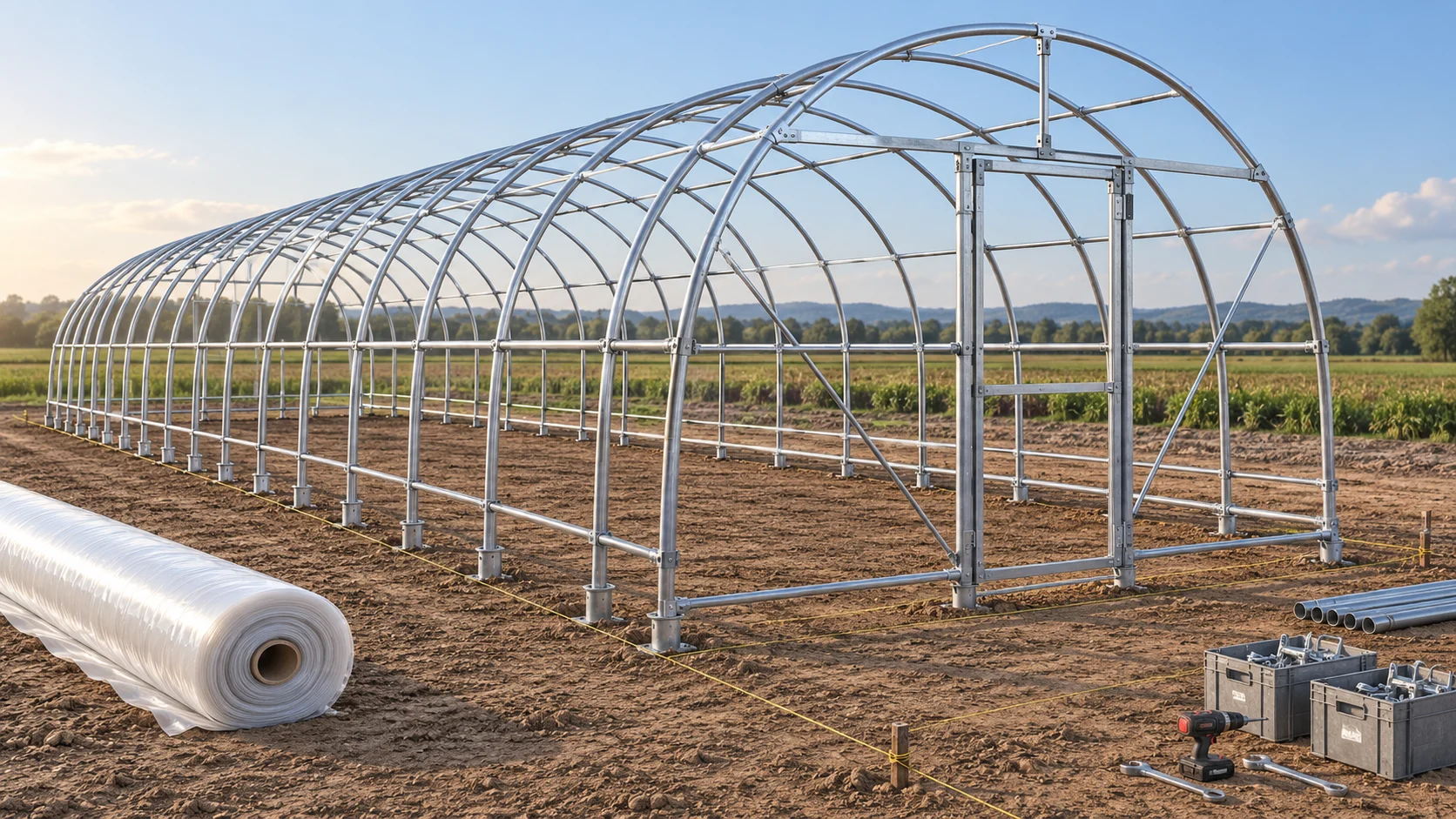
Galvanized steel arches, longitudinal members, end frames, diagonal bracing, connections and anchors form the structural system. Design considers wind pressure and suction, snow, covering and equipment weight, plus crop suspension loads where required. Tube diameter, wall thickness, arch spacing and bracing follow the span, length, design loads and operating conditions rather than one universal specification.
Ground anchors, embedded sleeves or concrete foundations may be evaluated against soil conditions, uplift resistance and local requirements; direct insertion is not suitable for every site. AgriNovix checks axes, levels, anchor positions and buried services during preparation. Installation controls cover arch alignment, longitudinal straightness, end bracing, fasteners and coating condition to establish a continuous load path to the ground.
03. Functional film and controlled covering installation
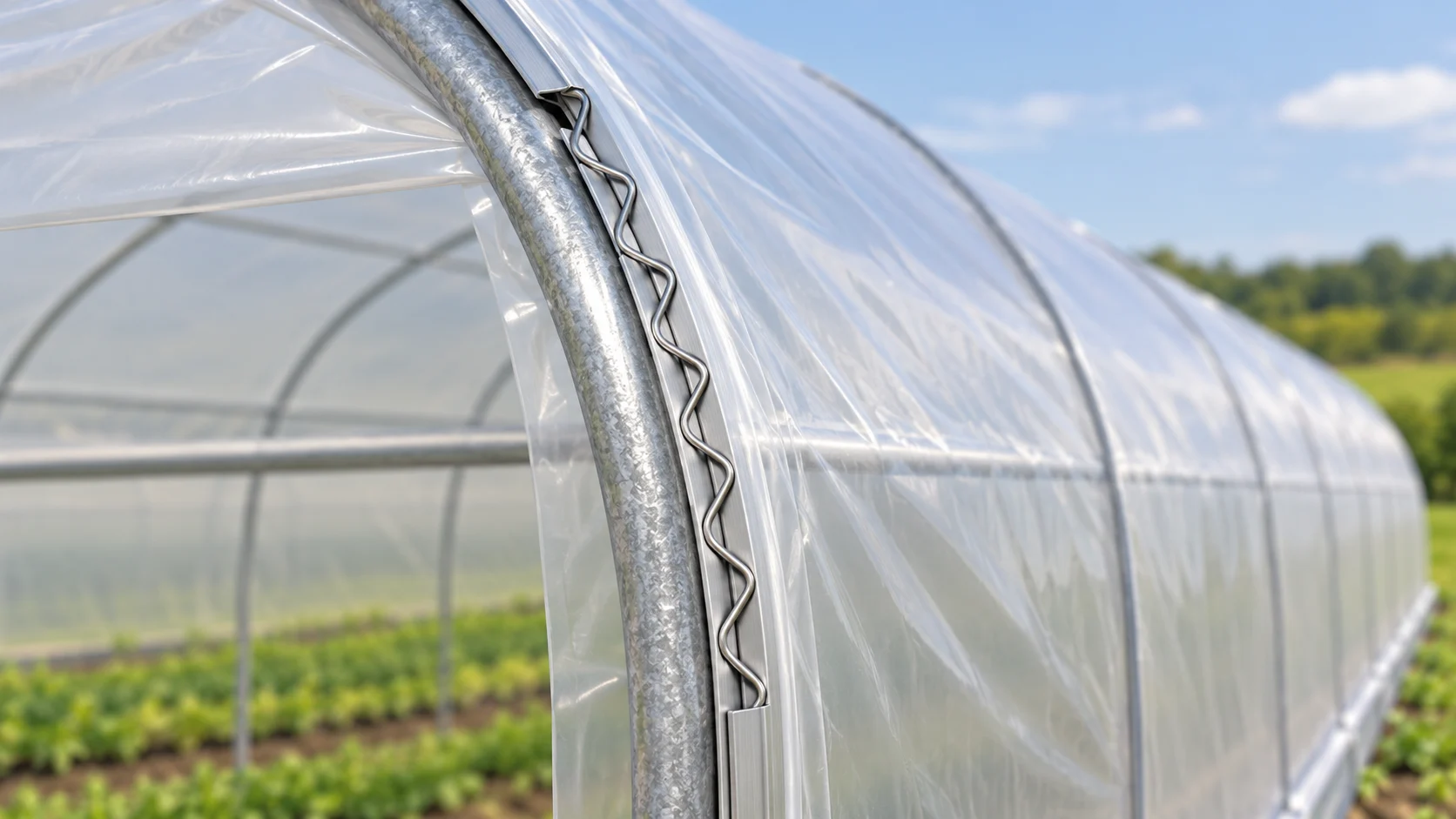
Suitable PE or PO agricultural films can be selected according to crop light needs and climate. Supplier specifications should confirm transmission, diffusion, UV stabilization, anti-drip behavior and thermal characteristics. Single-layer covering offers a simpler assembly; inflated double-layer covering can improve insulation where appropriate, with compatible inflation equipment, sealed details and regular maintenance.
Covering installation controls film orientation, overlaps, uniform tension and edge restraint. Lock channels, spring wires and contact surfaces must suit the film and avoid sharp edges, concentrated stress and wind-induced movement. Film thickness, warranty conditions and replacement intervals depend on the selected material and operating exposure; inspection and correct installation remain essential throughout service.
04. Dimensions coordinated with crops, workers and machinery
Span, length, ridge height and straight-side height influence usable bed width, access beside outer crop rows, air volume and ventilation distance. Layout planning considers slope, shading, prevailing winds and machinery access. Separate houses need adequate space for drainage, maintenance and locally required access; final dimensions balance structural calculations with operating requirements.
High-wire crops require separately verified supports and loads. Crop wires should not be suspended from thin-walled arches unless the structure was designed for them. Strawberry gutters, nursery benches and flower beds need coordinated aisles, irrigation zones and material handling. End doors are sized for equipment access while addressing closure, frame reinforcement and routine maintenance.
05. Sidewall roll-up ventilation coordinated with end openings
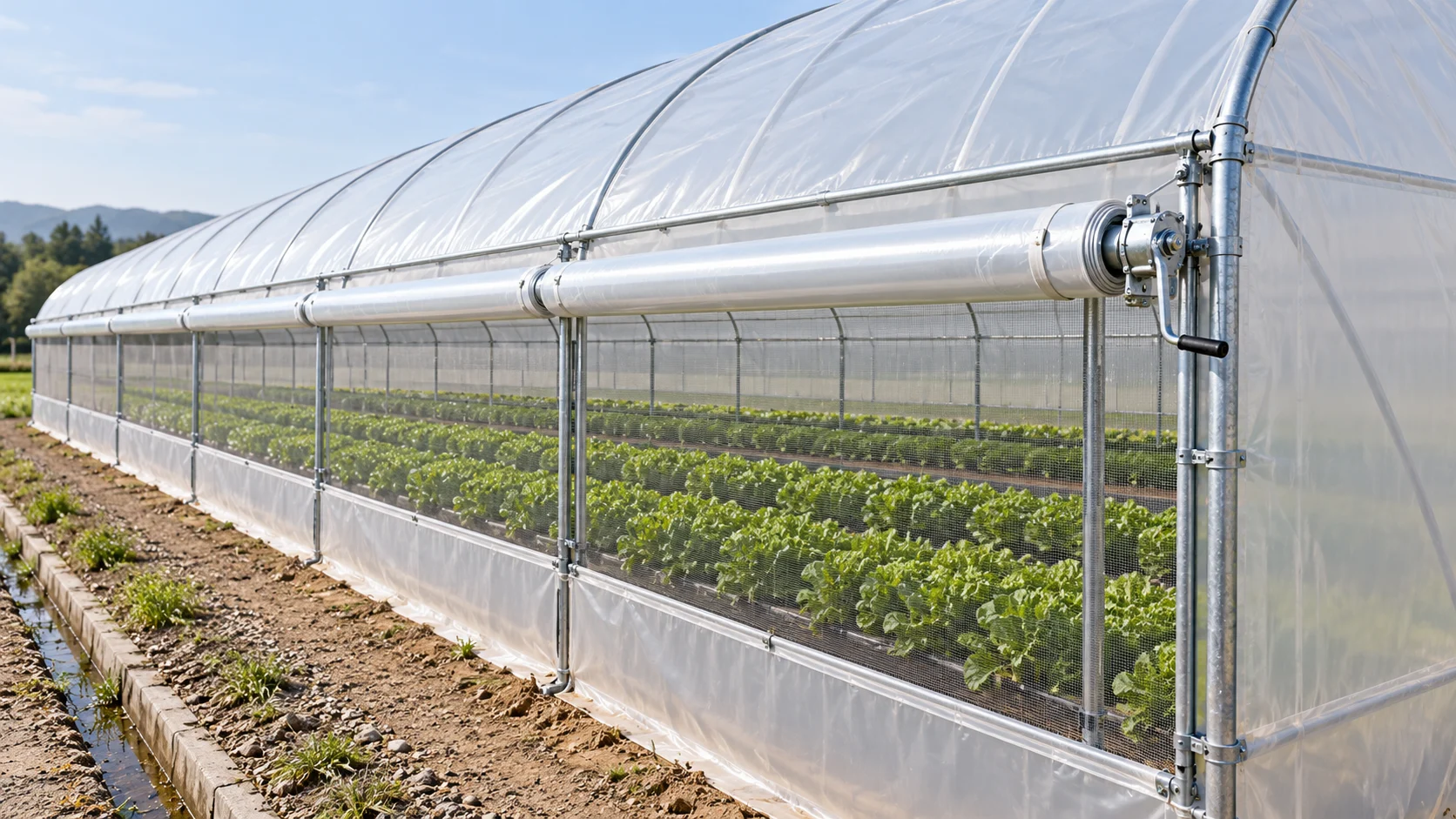
Manual or motorized roll-up sidewalls can work with end doors and windows to provide air exchange. Opening height, length, drive sections and insect-screen resistance require joint evaluation; long tunnels should not rely only on end doors for ventilation. Optional roof vents need engineered structural and rain-protection details rather than simple openings cut into the covering.
Natural airflow depends on outdoor wind, temperature difference, the crop canopy and screen resistance. Circulation fans, shading or other cooling equipment can be added as required, while evaporative systems need assessment of humidity, water quality and enclosure tightness. Motorized roll-up drives may respond to climate and weather signals with travel protection; power-loss response and manual operation are explained at handover.
06. Independent roof drainage and zoned irrigation
A single-span roof normally sheds rain toward the ground on both sides. The main drainage provisions are perimeter interception, channels between houses and a suitable site outlet, rather than shared multi-span gutters. Site grading should prevent external runoff entering the growing area or accumulating around anchors. Channel capacity and discharge paths consider catchment area, soil infiltration and local rainfall.
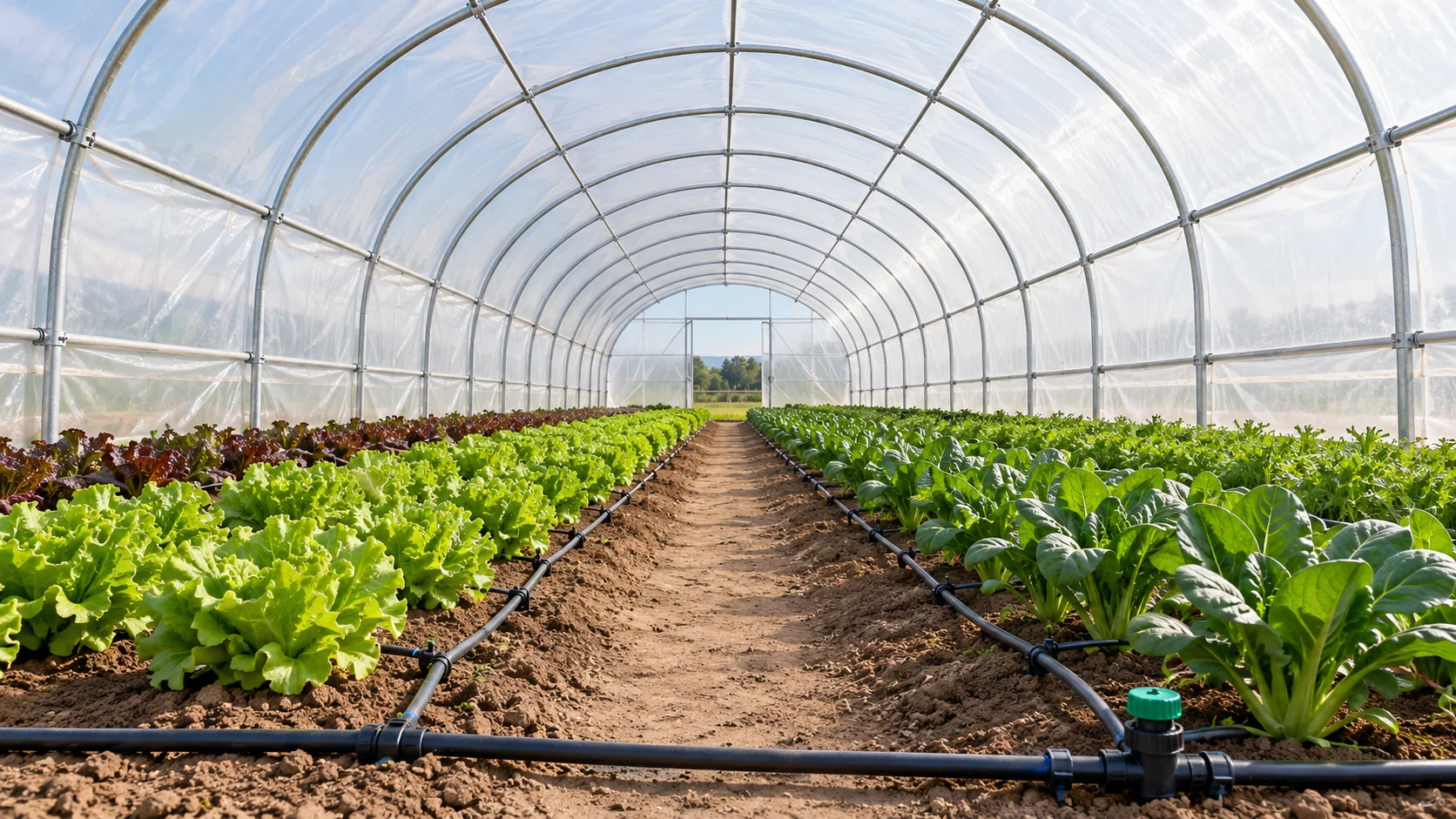
Soil drip irrigation, substrate growing or suitable hydroponics can incorporate filters, valves, dosing and flushing points. Flow, pressure and zoning are checked against planted area, line length and emitter requirements, with optional EC and pH monitoring. Water mains, cables and aisles are coordinated so that services do not obstruct roll-up mechanisms or maintenance. Reused water requires quality and treatment assessment.
07. Construction controls from setting-out to film installation
AgriNovix supplies agreed drawings, component schedules, installation instructions and technical coordination, with site construction, supervision and acceptance responsibilities defined. Work proceeds through drainage and site checks, setting-out, anchoring, arches and longitudinal members, end reinforcement, doors and roll-up equipment, film tensioning and irrigation connections. Key stages are inspected before subsequent work begins.
Component identification and packing lists support receiving and assembly planning. Film is installed in suitable weather with controlled orientation, overlaps, tension and end finishing; sharp edges and fixing channels must not damage the covering. Roll-up tubes, drives and limits are checked for smooth movement. Site cuts and coating damage receive specified repairs, and recorded corrections address loose film, abrasion, leakage and anchoring defects before handover.
08. Commissioning, operator guidance and maintenance
Agreed pre-handover checks cover vents, roll-up drives, screens, fans, pumps and controls. Teams verify movement direction, travel limits, sensor readings and protection logic; irrigation lines are flushed, pressure-tested and operated by zone. Drainage observations and mechanical and electrical checks are recorded separately, with final acceptance criteria established in the technical agreement.
Operator guidance covers seasonal ventilation, severe-weather response, filter cleaning, film inspection and replacement of wearing parts. Operating advice, spare-parts planning and remote technical support can be arranged within scope. For a buildable proposal, customers should provide the location, area, crops, climate and ground information, utility conditions and required automation level.