Product Details
01. Fertigation Planned Around the Crop Programme
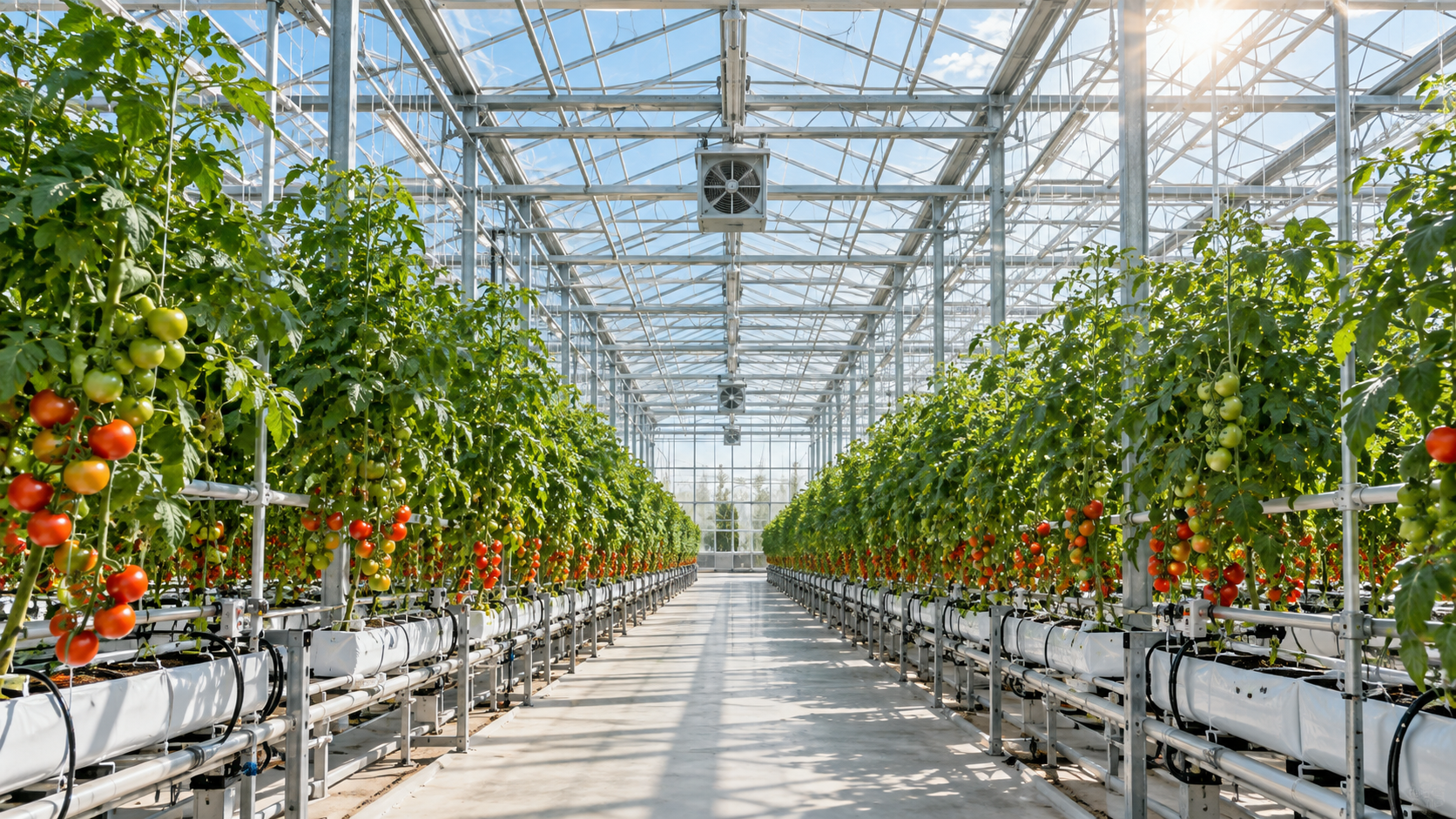
An automatic fertigation system introduces prepared fertilizer solutions into irrigation water through an agreed dosing arrangement. For commercial growing, the useful specification begins with the crops, irrigation zones and source water rather than the appearance of the dosing cabinet. Equipment selection should support the actual nutrient-management programme.
AgriNovix project discussions should establish how irrigation demand changes during the production cycle and who will manage nutrient preparation. Different crops or production areas may require separate recipes and operating schedules. Automatic dosing supports a defined process; it does not replace water analysis, crop observation or competent agronomic decisions.
02. Coordinate Injection, Mixing and Distribution
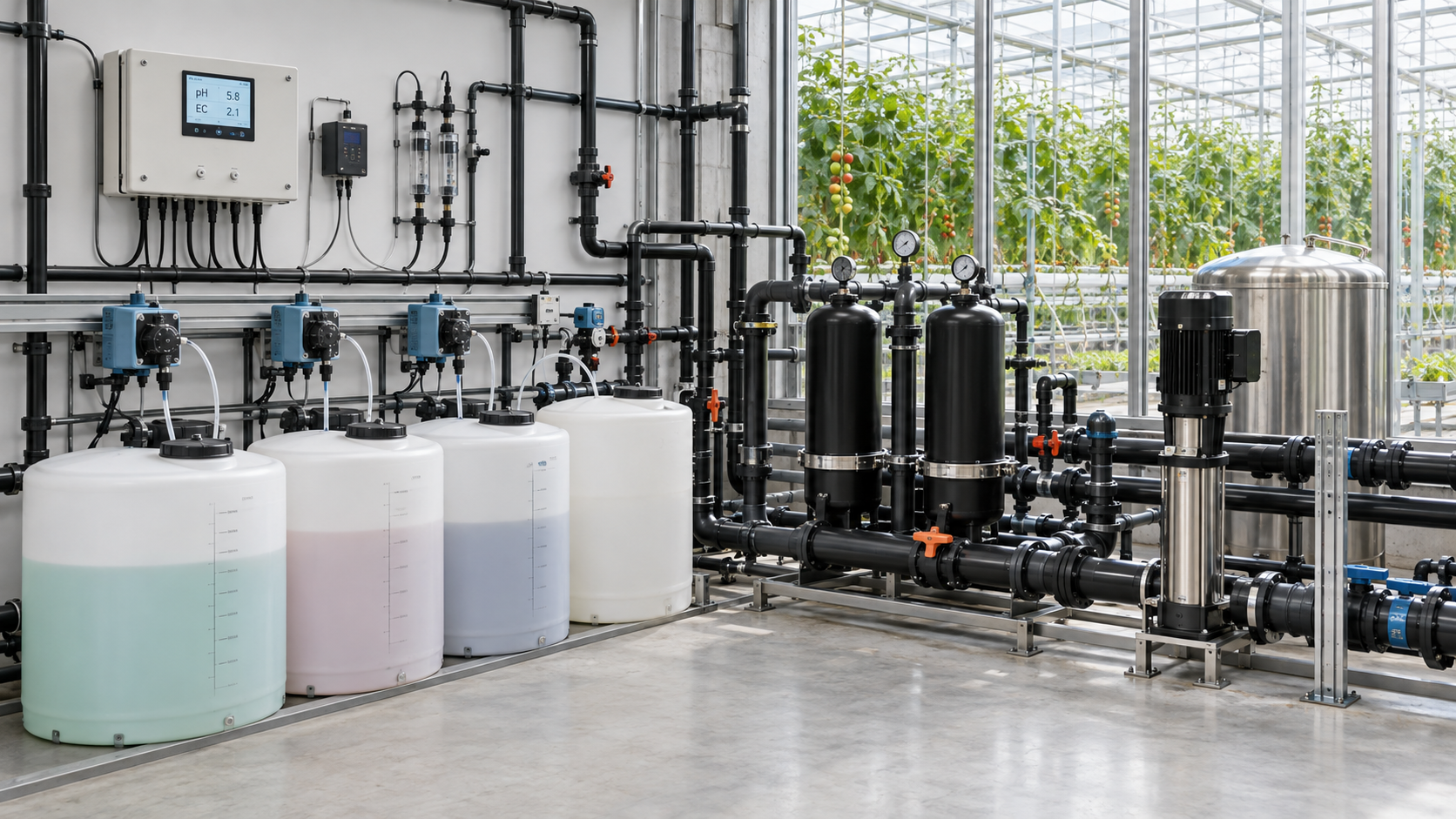
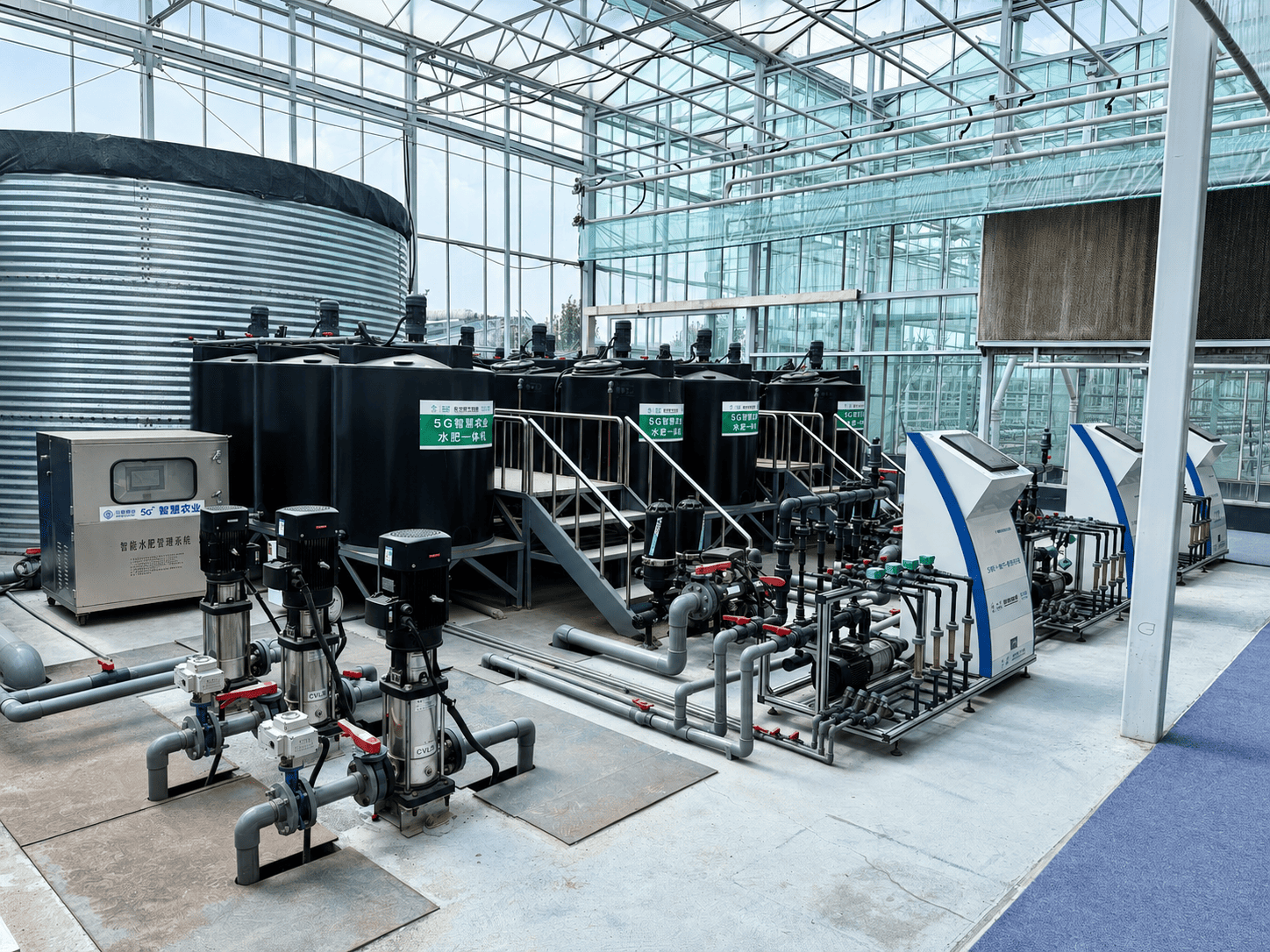
The working arrangement connects the irrigation supply with concentrate storage, injection equipment and downstream distribution. Where measurement and feedback are specified, their locations must provide representative readings. Review the complete flow path on a diagram, including isolation points, sampling access and the route followed during cleaning or servicing.
The selected injection method must operate within the project's flow and pressure conditions. A configuration suitable for one irrigation zone may behave differently when several zones operate together. Ask the supplier to document the operating envelope and explain how dosing is coordinated with water delivery and valve changes.
- Identify the location and purpose of each injection connection.
- Provide sufficient mixing before assessing delivered solution.
- Review start and stop sequences for each irrigation arrangement.
- Keep sampling and isolation points accessible to operators.
03. Match Wetted Components to the Materials Used
Fertilizer concentrates and any proposed treatment chemicals need a compatibility review before component selection. Pumps, seals, valves, tubing and tanks may have different material limitations. Obtain the relevant equipment and chemical documentation, and distinguish a general fertilizer application from an application involving more aggressive solutions.
Concentrate preparation is also part of the design discussion. Confirm how products are dissolved, stored and identified, and whether separate stock solutions are required. Do not assume that materials can be mixed because each is individually suitable for irrigation. Use compatibility information and appropriate professional guidance for the intended programme.
- Record the intended concentrates and their preparation procedures.
- Confirm the suitability of every wetted component.
- Label stock tanks and keep their connections identifiable.
- Provide practical access for inspection and replacement of consumable parts.
04. Specify the Actual Hydraulic Operating Range
The minimum and maximum irrigation flows, available inlet pressure and downstream requirements form the basis of equipment sizing. Include the different operating combinations rather than supplying only a nominal pump rating. Pipe layout, filtration and elevation changes should be considered when establishing the conditions at the fertigation connection.
Required dosing capacity depends on the nutrient programme, concentrate strength and water throughput. Tank size should be reviewed alongside replenishment frequency and staff availability. Final ratings belong in the agreed equipment schedule; a generic greenhouse area alone cannot establish the correct injector, mixing arrangement or storage capacity.
- Provide measured or designed flow ranges for the irrigation zones.
- Describe available supply pressure and expected operating variations.
- Identify the number of independently managed concentrate streams.
- Confirm utilities and space available for the selected equipment.
05. Define Measurement and Control Responsibilities
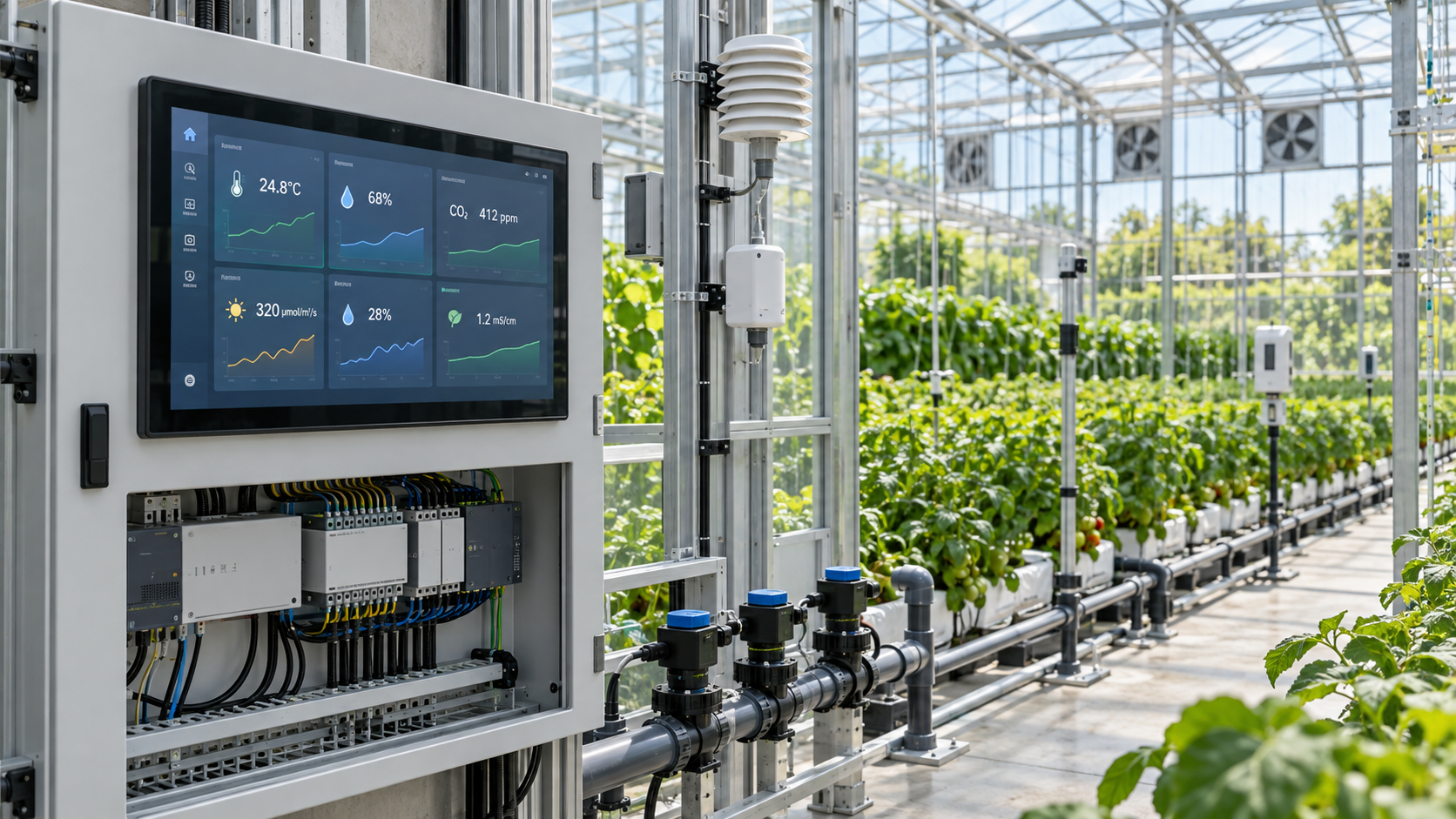
Electrical conductivity and pH measurements can support nutrient-solution management when suitable instruments and control functions are included. These readings describe particular characteristics of the solution; they do not directly measure every nutrient. Control targets therefore need an agronomic basis and an understanding of the source water.
Specify which functions are automatic and which remain operator tasks. Review how the system handles an interrupted water supply, an empty stock tank, an unreliable sensor or a dosing fault. Alarm communication and stopping behaviour should be described in the proposal rather than inferred from the presence of a touchscreen.
- Agree measurement locations and instrument maintenance access.
- Define permitted adjustments and operator responsibilities.
- Specify fault responses appropriate to the installed equipment.
- Verify the delivered solution independently during commissioning.
06. Plan Calibration, Cleaning and Routine Checks
Reliable operation depends on checking delivery and maintaining the components involved. Establish a calibration and verification procedure appropriate to the chosen injector and instruments. Record the method, equipment used and results so that changes can be investigated instead of relying only on the displayed settings.
Keep stock preparation areas organized and inspect tanks, lines and connections for deterioration or leakage. Cleaning procedures must follow the relevant material and equipment instructions. Arrange collection and disposal of residues according to site requirements, and include safe access to the equipment when planning the service area.
- Use suitable measuring equipment for routine verification.
- Document instrument checks and adjustments.
- Inspect concentrate connections and stock availability.
- Keep maintenance instructions and replacement-part records available.
07. Agree Interfaces Before Installation
Fertigation may connect with irrigation scheduling, filtration, storage and supervisory monitoring. Compatibility requires defined hydraulic, electrical and communication interfaces. Clarify whether these connected systems are included, supplied separately or already installed. Describe any required changes to existing equipment before procurement, rather than leaving them for site installation.
Commissioning should test the assembled arrangement under representative operating conditions. Confirm water delivery, dosing response, sampling access and agreed fault handling. Assign responsibility for water-source protection and applicable local requirements to qualified personnel. Training should cover the installed configuration and the procedures the operating team will actually perform.
- Identify who installs, connects and tests each interface.
- Separate optional monitoring from the basic equipment scope.
- Agree acceptance records and operator documentation.
- Confirm responsibilities for subsequent servicing and adjustments.
08. Prepare a Practical Fertigation Enquiry
Provide the crop programme, water analysis, irrigation layout and available utilities when discussing a project with AgriNovix. Explain how many zones operate together, how concentrates will be prepared and what the operating team expects from automation. Existing installations should include drawings and equipment information where available.
Compare proposals using the same operating assumptions and supply boundaries. Request the reasoning behind the selected configuration, not only a list of components. The final proposal should establish project-specific equipment ratings, interfaces and service requirements without treating unverified performance claims as a substitute for commissioning evidence.
- Identify the production area, crops and irrigation method.
- Provide water-quality and hydraulic information.
- Describe nutrient-management and staffing arrangements.
- Confirm installation, training and support expectations.