Product Details
01. Controlled Water Delivery at the Crop Root Zone
A drip irrigation system supplies water through selected emitters or drip lines positioned around the crop root zone. Its suitability depends on the crop layout, soil or growing medium and operating conditions. The design should describe the intended wetting pattern and maintenance approach rather than promise a fixed water-saving outcome.
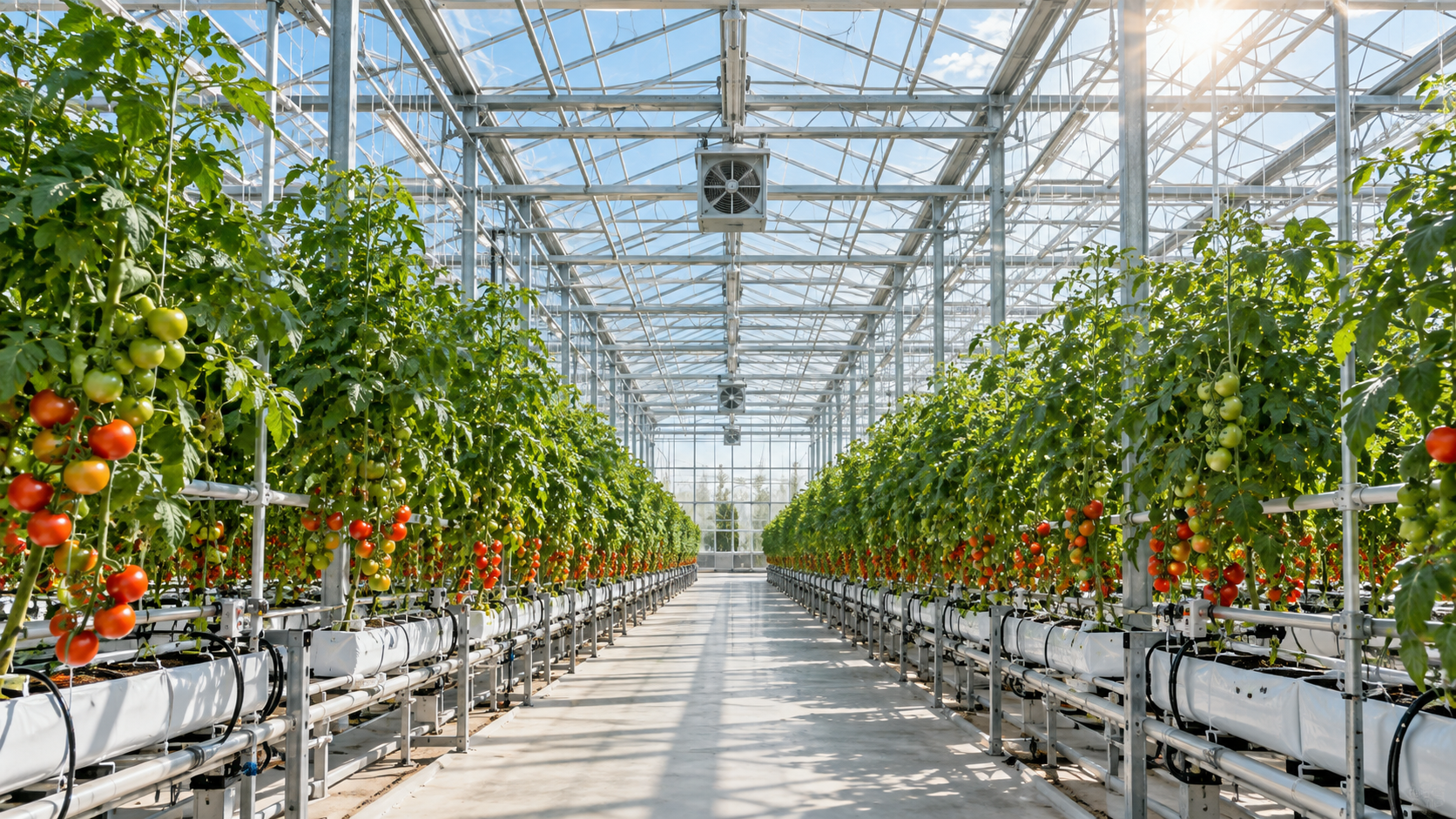
AgriNovix project enquiries should distinguish field beds, greenhouse rows, containers and substrate cultivation. Each arrangement changes outlet placement, line routing and irrigation management. A practical proposal connects the delivery components with water quality, hydraulic design and the staff procedures needed to keep the system operating consistently.
02. Match Emitters and Spacing to the Application
Emitter selection begins with the required delivery pattern and the supplier's documented operating range. Integral drip lines and separate emitters have different installation and servicing arrangements. Confirm the exact product, spacing and outlet configuration proposed for the crop rather than comparing systems only by the number of outlets.
Soil or media properties influence how delivered water spreads around the roots. Crop spacing and container dimensions also affect placement. Use relevant agronomic guidance and representative observations to establish the arrangement, especially when changing growing media or moving an existing crop programme into a different cultivation system.
- Identify the crop spacing and root-zone arrangement.
- Specify the selected drip line or individual emitter.
- Review documented discharge and pressure characteristics.
- Assess the intended wetting pattern in representative conditions.
03. Design Laterals and Zones for Hydraulic Consistency
Line length, elevation, pipe size and the number of operating outlets affect pressure throughout the system. The hydraulic assessment should consider the actual layout and zone combinations. A pressure-compensating emitter, if selected, still has a defined operating range and does not remove the need for appropriate design.
Place valves and pressure-check locations where operators can use them during normal production. Explain which zones run together and how the supply responds when valves change state. The final drawings should identify distribution lines, lateral connections and the points used for flushing and inspection.
- Provide line lengths and relevant elevation differences.
- Define simultaneous operation of irrigation zones.
- Confirm pressure conditions at representative outlets.
- Mark flushing and inspection points on the drawings.
04. Protect Delivery with Suitable Filtration
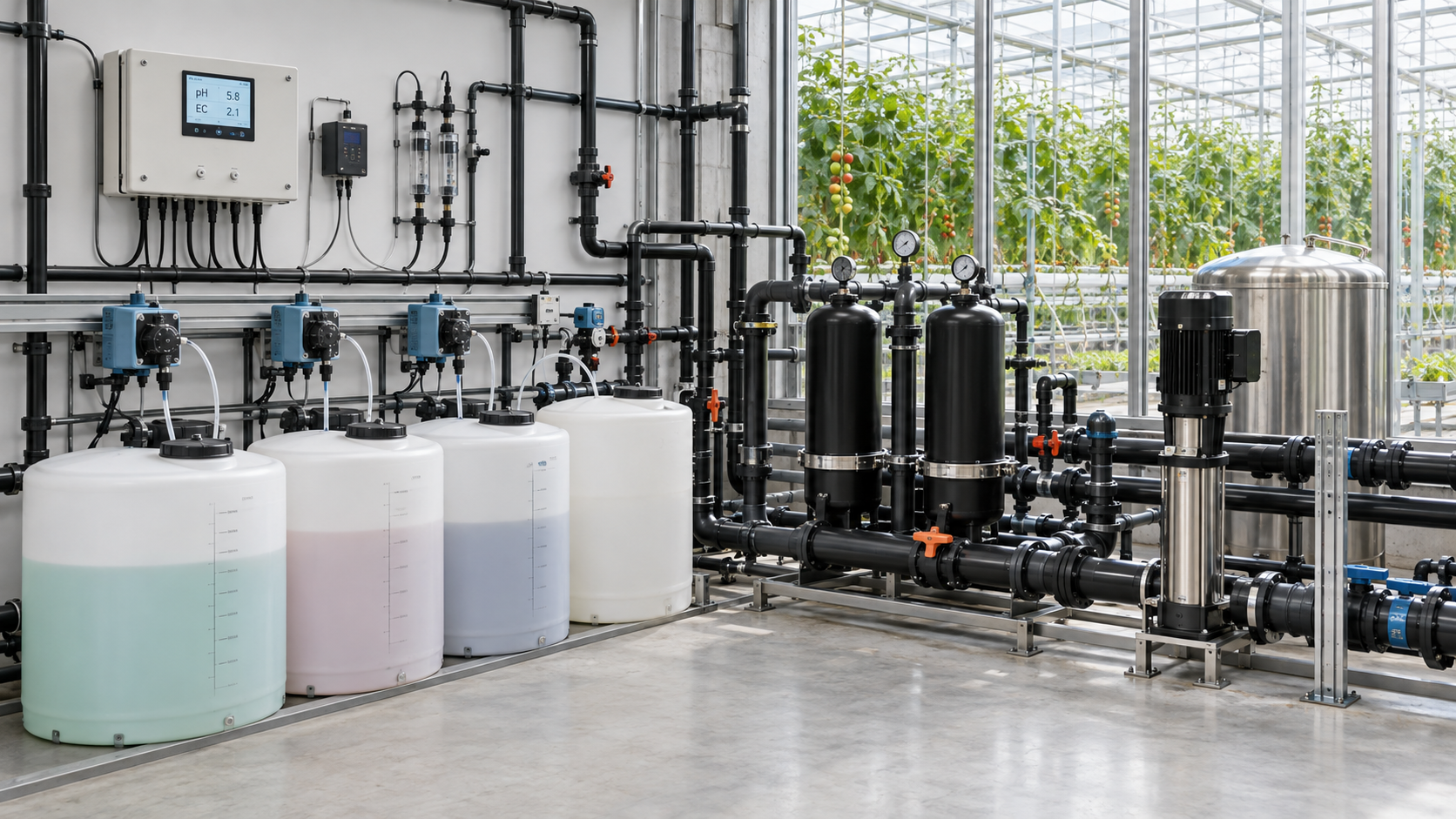
Small emitter passages make water quality an important design input. Select filtration using the water source and the emitter manufacturer's requirements. Different contaminants may require different treatment approaches, and a filter specification should be linked to actual conditions rather than chosen solely by pipe connection size.
Provide access for inspecting and cleaning filters and define how collected material will be handled. Changes in pressure across filtration equipment can indicate a need for attention, depending on the selected system. Any chemical treatment requires separate compatibility review and appropriate procedures for the equipment and application.
- Supply water analysis and information about visible contaminants.
- Match filtration to the selected emitter requirements.
- Keep filter servicing and discharge routes accessible.
- Review material compatibility for any proposed treatment.
05. Coordinate Scheduling with Crop Response
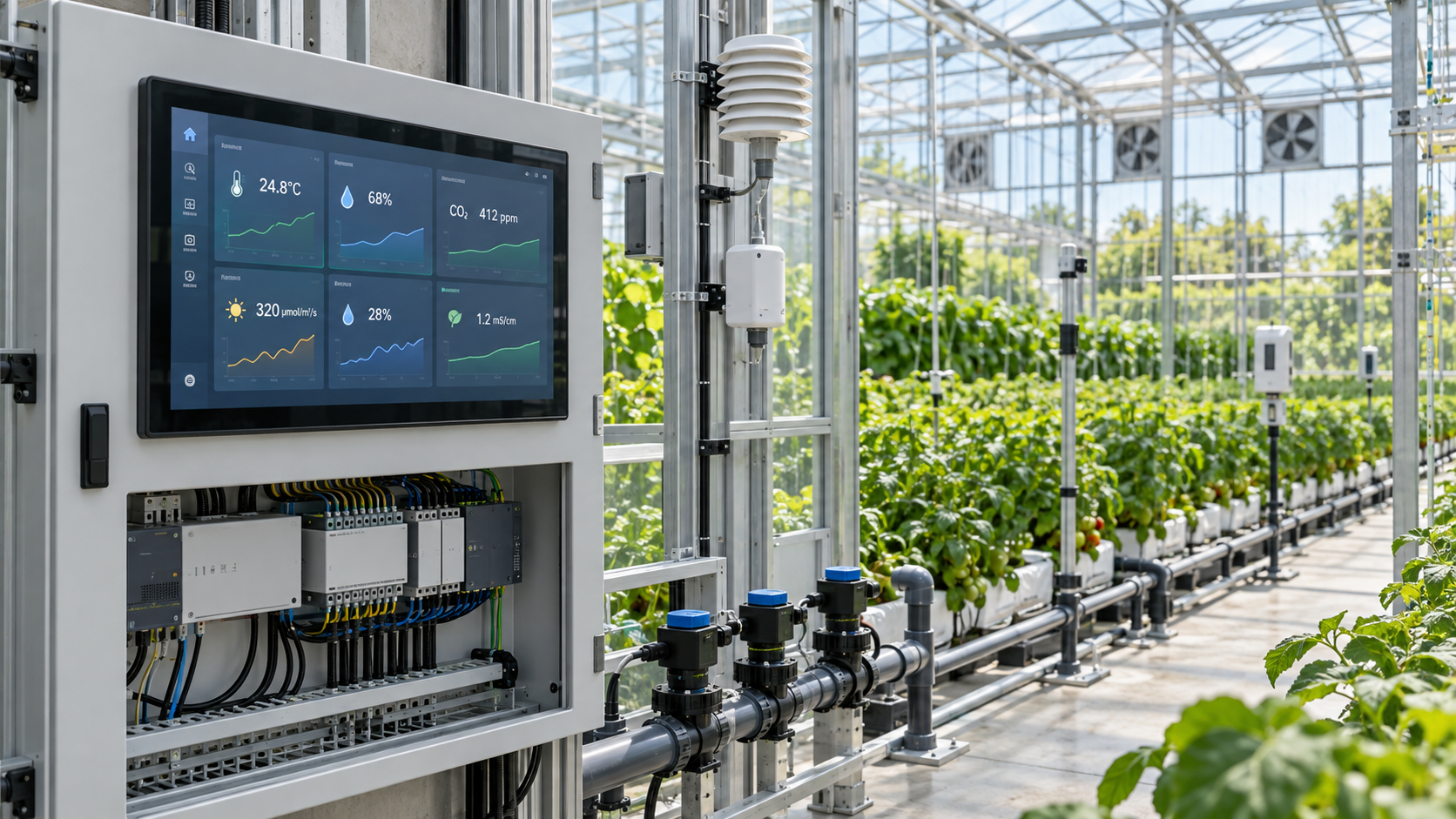
Irrigation timing and duration should follow the crop, media and environmental conditions. The controller can execute an agreed programme, but observations and measurements remain necessary to judge whether that programme is appropriate. Avoid treating one schedule as suitable for every stage of growth or every production zone.
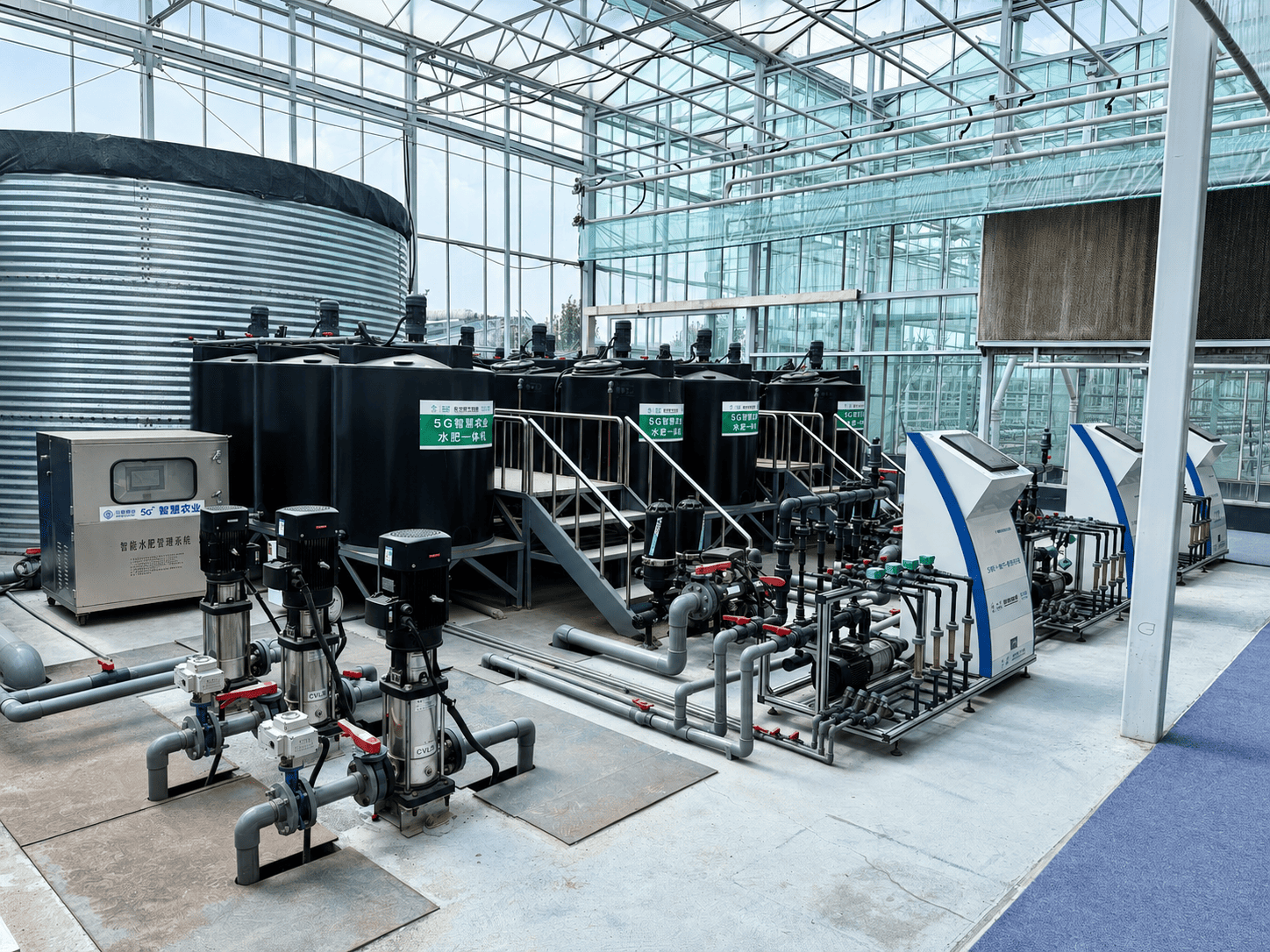
Where fertilizer injection is included, coordinate its operation with water delivery and the equipment instructions. Define how operators confirm that the intended solution reaches the relevant zones. The scope should identify dosing, sensing and alarm functions individually rather than implying that they are standard features of every drip installation.
- Define independent schedules where crop needs differ.
- Review irrigation response through suitable crop and media checks.
- Coordinate dosing and water-delivery sequences.
- Identify the controls and sensors actually supplied.
06. Maintain Outlets, Connections and Flushing Routes
Routine maintenance should include leaks, damaged lines, blocked outlets and disturbed emitter positions. Follow the selected equipment instructions for flushing and cleaning. Keep replacement components compatible with the installed products so that repairs do not unintentionally change discharge characteristics within a managed irrigation zone.
Verify delivery at representative locations rather than relying solely on controller run time. Record the method and findings, including any changes after maintenance. For removable or seasonal lines, define storage and handling practices that protect the components between production cycles and keep their identification clear.
- Inspect line condition and outlet placement routinely.
- Use the specified flushing and cleaning procedures.
- Check representative water delivery across each relevant zone.
- Keep compatible repair parts and service records.
07. Install and Test the Complete Distribution Arrangement
Installation should preserve the designed line routes, connections and outlet positions. Supports or fixing methods must suit the cultivation arrangement and allow access for inspection. Coordinate crossings, paths and machinery movement so that routine farm work does not repeatedly damage exposed distribution components.
Commissioning should confirm supply conditions and delivery under the agreed zone combinations. Check valve labels, controller actions and flushing access with the operating team. Record the installed components and any approved changes from the original drawings to make later troubleshooting and expansion more straightforward.
- Protect lines at working routes and equipment crossings.
- Check connections and outlet placement before operation.
- Test the system under representative operating combinations.
- Provide updated drawings and practical operator training.
08. Define the Drip Irrigation Project Requirements
Send AgriNovix the crop layout, cultivation method, water information and site dimensions. Explain whether the project is new or extends an existing installation. Include available pressure, proposed zones and any fertigation or monitoring equipment that must connect to the new distribution system.
The final proposal should identify emitters, line arrangements, filtration, controls and installation boundaries. Confirm ratings and material selections in the equipment schedule. Comparing proposals on these operating details provides a more useful basis than relying on a general claim about drip irrigation efficiency.
- Specify crop, spacing and soil or media conditions.
- Provide water-quality and hydraulic information.
- Describe scheduling and fertilizer-injection requirements.
- Confirm commissioning, maintenance and spare-part expectations.