Product Details
01. Filtration Selected for the Irrigation Water Source
An irrigation filtration system removes selected suspended material before water reaches downstream equipment. Its design depends on the source water, contaminants and requirements of emitters or other connected components. Filtration should be specified for the actual application rather than presented as a complete solution to every water-quality concern.
AgriNovix project enquiries should identify whether water comes from a well, surface source, storage tank or recovered-water arrangement. Seasonal changes and operating practices may influence the material entering the system. The proposal should connect filter selection with water analysis, hydraulic conditions and the maintenance resources available on site.
02. Identify the Material That Requires Removal
Suspended particles, organic material and other contaminants can behave differently during filtration. Describe visible conditions and provide relevant water testing where available. The selected filtration technology should be supported by the supplier's application guidance and should suit the quality requirements of the downstream equipment.
Dissolved constituents are not generally addressed simply by selecting a finer particle filter. If treatment beyond suspended-material removal is needed, define it separately through an appropriate water assessment. Keeping filtration and other treatment responsibilities clear helps prevent a specification from promising outcomes the selected equipment cannot provide.
- Describe the water source and its seasonal variability.
- Provide relevant analysis and observed contamination information.
- Identify downstream equipment and its filtration requirements.
- Separate particle filtration from other water-treatment needs.
03. Compare Filter Types Against the Operating Conditions
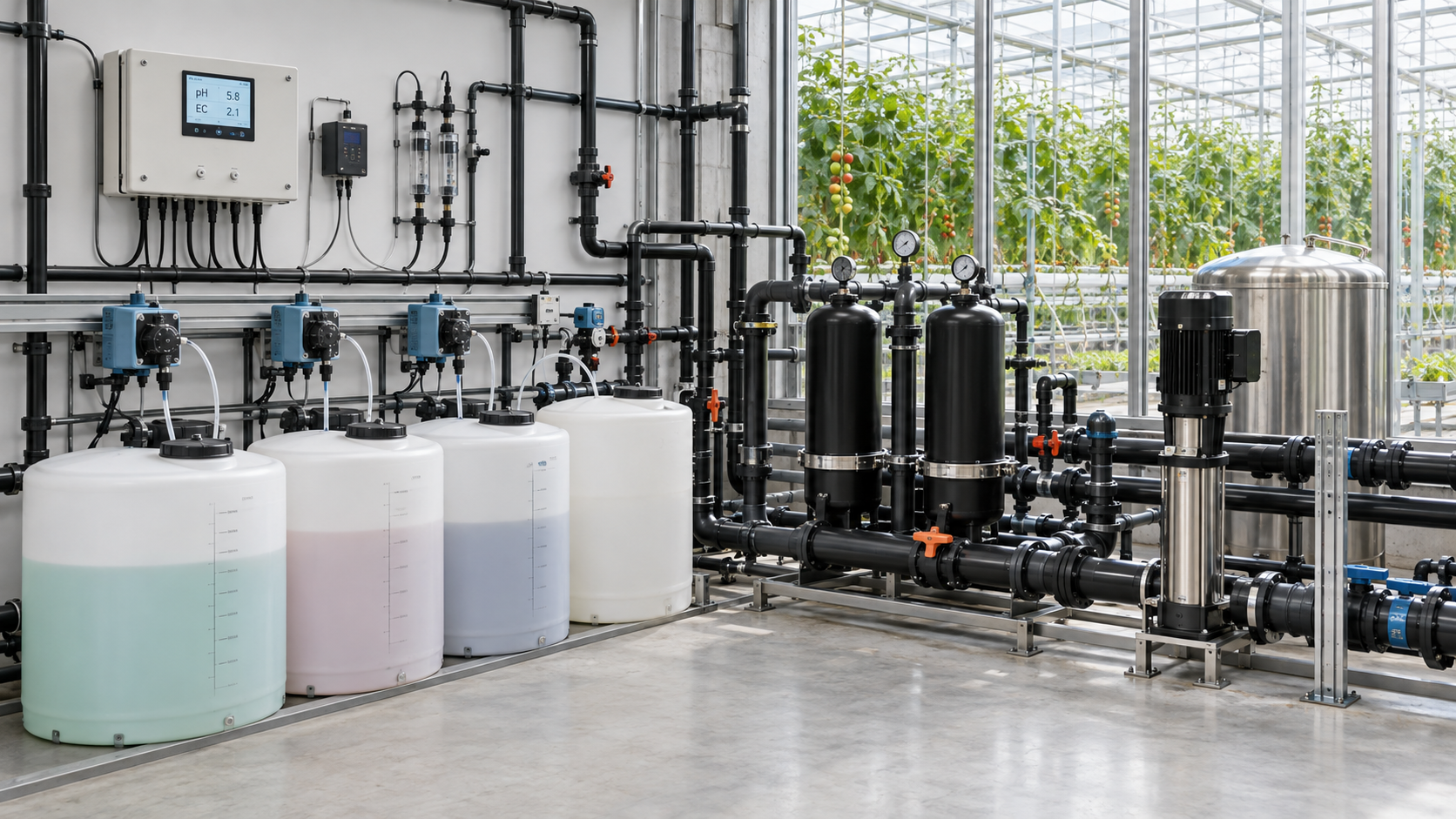
Screen, disc and media filtration arrangements have different operating and servicing characteristics. Selection should consider the contaminant load, flow range and cleaning method. Identify the actual filter elements, housings and supporting components offered rather than comparing installations solely by connection diameter or overall cabinet size.
The filtration rating must be stated clearly and interpreted with the supplier's documentation. Review how the selected equipment performs under the expected water conditions and how operators determine when maintenance is required. For unfamiliar sources, representative assessment can help clarify whether the proposed arrangement is suitable.
- Specify the proposed filtration technology and elements.
- Confirm the documented filtration rating.
- Review cleaning requirements and consumable components.
- Assess suitability for the expected contaminant load.
04. Account for Pressure Loss and Cleaning Demand
The hydraulic design should include flow through the filters and the pressure available to downstream equipment. Pressure loss changes with the selected equipment and its condition. Evaluate the operating range rather than assuming that the nominal irrigation pump rating establishes adequate pressure throughout the complete system.
Automatic cleaning, if included, may require particular flow, pressure or discharge conditions. Those requirements belong in the equipment schedule and site layout. Explain whether irrigation continues during cleaning and how the arrangement maintains the required downstream supply under the agreed operating sequence.
- Provide minimum and maximum irrigation flow requirements.
- Identify available inlet and required downstream pressure.
- Include cleaning demand in the hydraulic assessment.
- Define the water-supply sequence during filter cleaning.
05. Define Cleaning Controls and Discharge Routes
Cleaning may be manual or automatic depending on the selected configuration. The proposal should identify the triggers, control functions and operator tasks actually supplied. Where differential-pressure monitoring is used, confirm the measurement arrangement and how staff interpret readings during normal operation and troubleshooting.
Removed material and cleaning water need a practical discharge route suited to the site requirements. Do not leave that route undefined simply because the filter has a discharge connection. Coordinate space, drainage and access so that cleaning does not create avoidable problems around pumps, electrical equipment or working areas.
- State which cleaning tasks are manual or automatic.
- Identify supplied monitoring and control functions.
- Provide an appropriate discharge and collection arrangement.
- Keep controls and cleaning connections accessible.
06. Make Inspection and Replacement Straightforward
Filter elements, seals, valves and other serviceable parts require access according to the equipment instructions. Allow space for opening housings and removing components. Confirm isolation arrangements and follow the specified procedures before servicing pressurized equipment, using trained personnel appropriate to the installation.
Maintenance records should connect inspection findings with operating conditions and cleaning actions. Keep references for replacement elements and compatible seals. If cleaning frequency changes significantly, investigate source-water conditions and equipment operation rather than assuming that a longer controller interval will resolve the underlying cause.
- Provide space for element removal and routine inspection.
- Maintain documented isolation and servicing procedures.
- Record cleaning actions and relevant pressure observations.
- Keep compatible replacement-part information available.
07. Integrate Filtration with Pumps and Irrigation Zones
The filtration arrangement sits within a larger water-delivery system. Pump operation, zone changes, dosing equipment and storage may affect its conditions. Define the hydraulic and control interfaces before procurement, including any signals needed to coordinate cleaning or respond to an unavailable water supply.
Commissioning should demonstrate representative irrigation operation and the agreed cleaning sequence. Check for leaks, accessible service points and appropriate discharge. Confirm that downstream equipment receives the required operating conditions, and provide the team with drawings and instructions that reflect the installed arrangement.
- Coordinate filters with pumping and zone operation.
- Define control interfaces and their responsibilities.
- Test normal operation and cleaning during commissioning.
- Document the installed components and service access.
08. Prepare a Filtration System Enquiry
Send AgriNovix the water-source description, available analysis and irrigation layout. Include expected flows, pressure information and downstream equipment details. For an existing system, provide current filter references and describe the operating problem, such as frequent cleaning or blocked outlets, without assuming its cause in advance.
The final proposal should define filtration technology, hydraulic requirements, cleaning method and supply boundaries. Confirm equipment ratings and discharge responsibilities in the project documents. A clear specification explains what the filters are intended to remove and how the operating team will maintain that function over time.
- Identify source water and relevant contaminants.
- Provide flow, pressure and downstream equipment requirements.
- Describe cleaning access and discharge constraints.
- Confirm commissioning, training and spare-part needs.