Product Details
01. Irrigation Designed Around the Growing Method
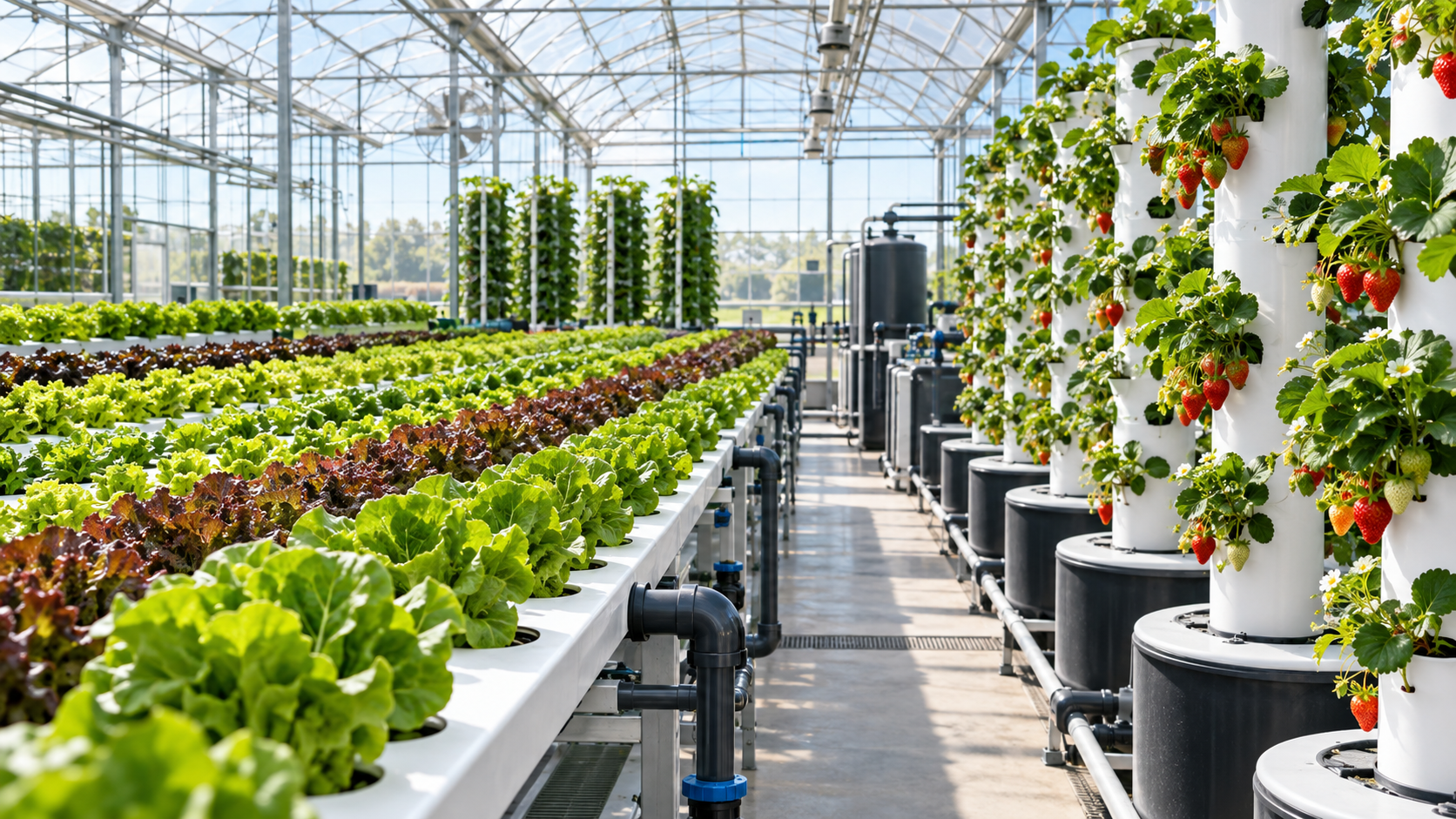
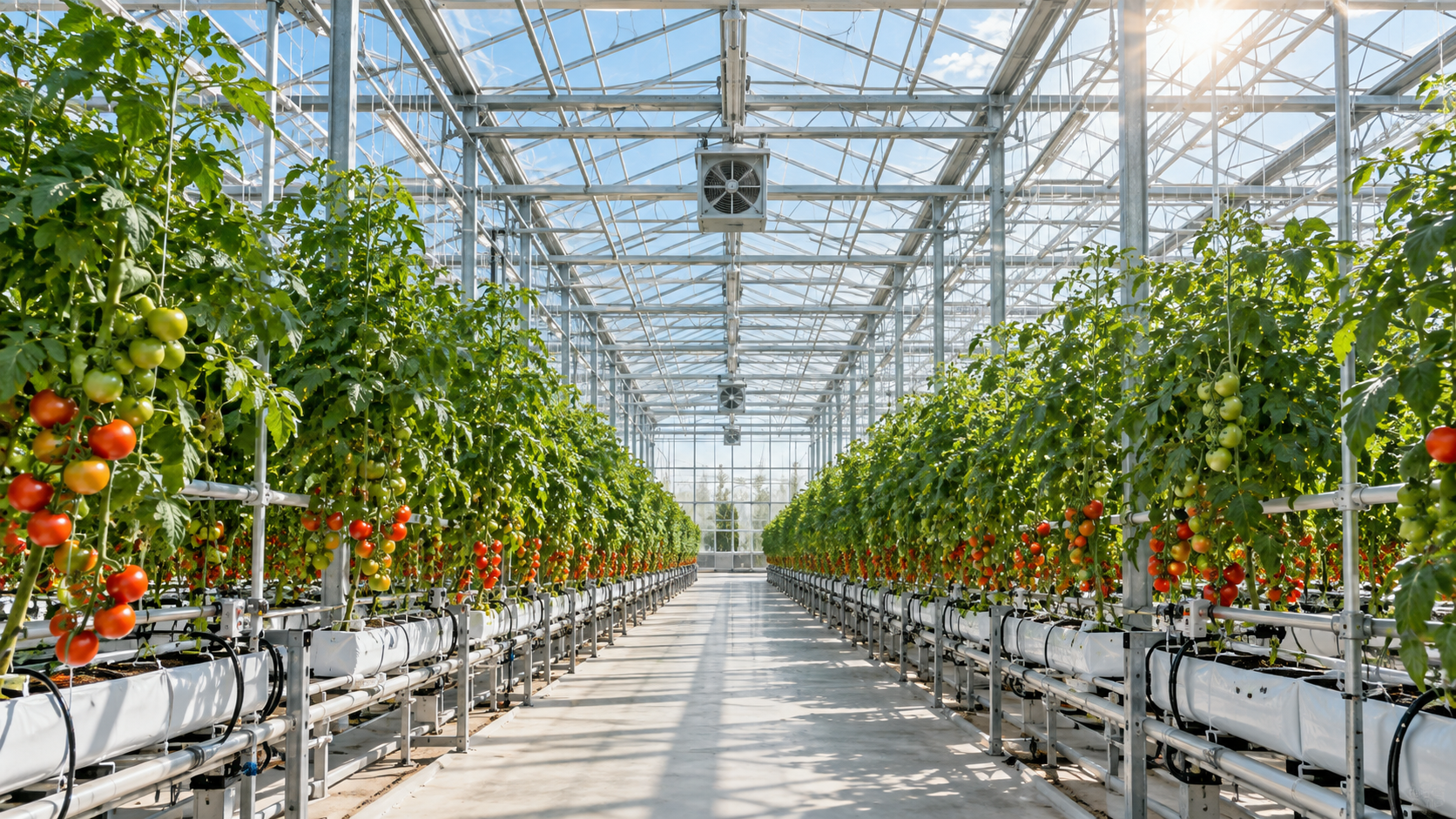
A greenhouse irrigation system distributes water to the crop through an arrangement selected for the cultivation method. Soil beds, containers, propagation trays and substrate rows do not necessarily use the same delivery equipment. The design should begin with the crop and root-zone requirements rather than a standard collection of pipes.
AgriNovix project planning should describe how irrigation demand changes across crop stages and production zones. The useful system specification connects water delivery with daily operating tasks, drainage and maintenance. Automatic scheduling may support that plan, but the equipment still needs suitable water, correct installation and informed crop management.
02. Divide the Greenhouse into Practical Irrigation Zones
Zones should reflect differences in crops, container sizes, growing media or production stages where those differences require separate management. The layout must also consider hydraulic conditions and valve operation. Grouping every area into one zone may simplify a drawing while making the actual irrigation programme harder to control.
Show the main supply, distribution lines, valves and crop rows on a coordinated plan. Maintenance access should remain available when the crop canopy is mature. Define which zones may operate together, because that operating sequence affects supply flow, pressure and the selection of shared equipment.
- Identify crops and areas needing independent irrigation schedules.
- Show valves and service points on the layout.
- Describe simultaneous and sequential zone operation.
- Keep distribution equipment accessible during production.
03. Select Delivery Equipment for Crop and Media
Drip outlets, sprinklers and other irrigation devices have different distribution characteristics. Select the proposed equipment using the crop arrangement, media and intended wetting pattern. Request the supplier's operating data and installation guidance for the exact devices rather than assuming that nominally similar products behave alike.
The complete delivery arrangement includes outlet spacing, positioning and support. Where foliage wetting matters to the crop programme, discuss that requirement with the agronomic adviser before selection. Evaluate a representative installation where practical, particularly when an unfamiliar crop, container or growing medium is being introduced.
- Specify the intended root-zone wetting arrangement.
- Confirm outlet placement and support requirements.
- Review the device operating range and filtration needs.
- Assess representative distribution before full production.
04. Establish Water Quality and Hydraulic Conditions
Water analysis supports decisions about filtration, treatment and nutrient management. Suspended material and dissolved constituents require different assessments, so filtration alone should not be assumed to resolve every water-quality issue. Provide information about seasonal changes in the source as well as a single laboratory result where available.
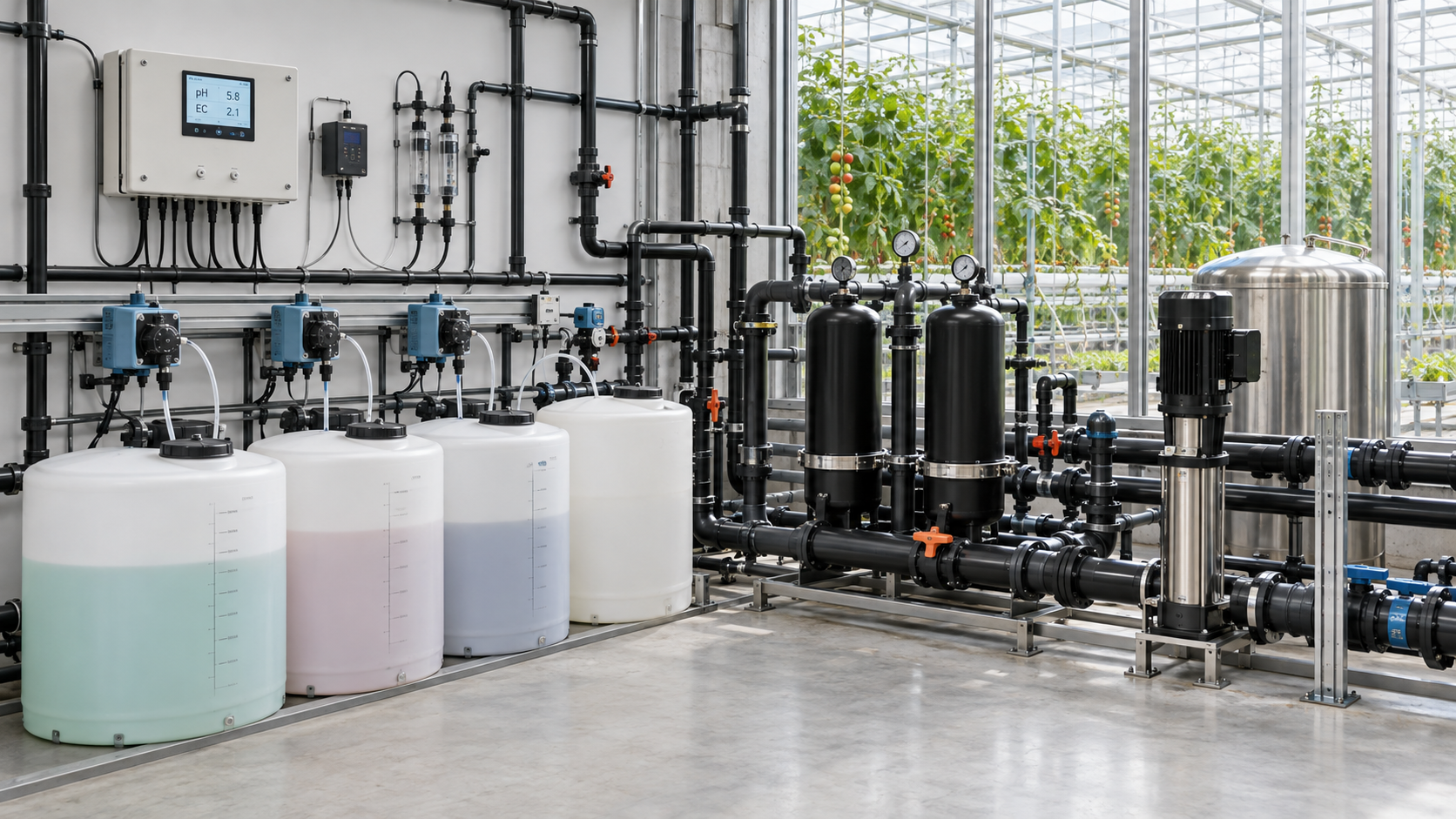
The hydraulic design needs the required flows, available pressure, pipe routes and elevation changes. Include losses through filters, valves and connected equipment when evaluating conditions at the crop outlets. Pump selection should follow those operating requirements rather than greenhouse area or motor power alone.
- Provide water-source information and relevant analysis results.
- Describe the flow required by each operating combination.
- Include pipe lengths and elevation differences.
- Confirm filtration and treatment interfaces separately.
05. Define Scheduling and Control Functions Clearly
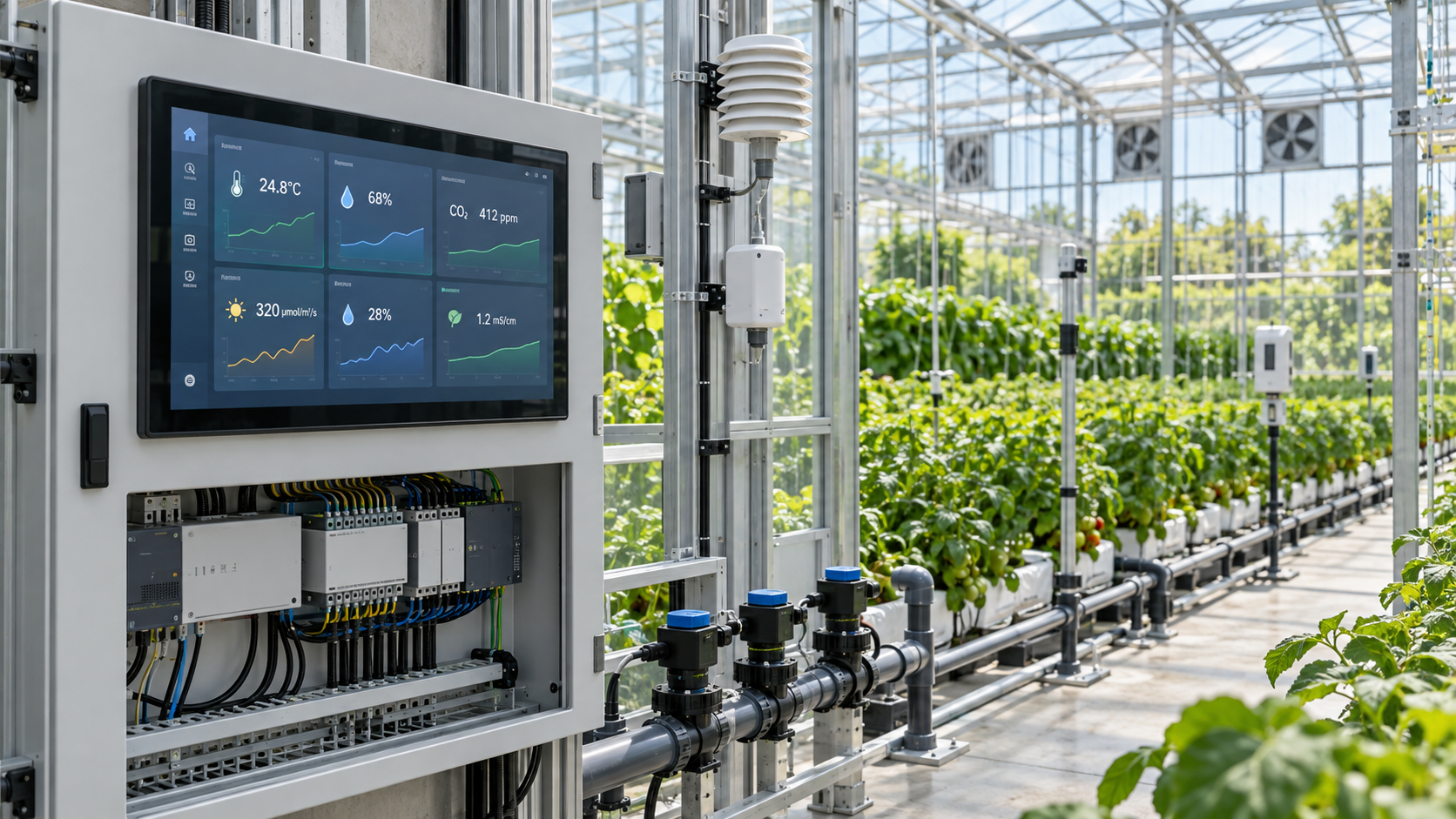
Scheduling may use time-based operation or additional inputs where specified. The proposal should identify the actual sensors, controller functions and permitted adjustments. A touchscreen does not establish that every desired irrigation strategy is available, so review the operating sequence with the people who will manage the crop.
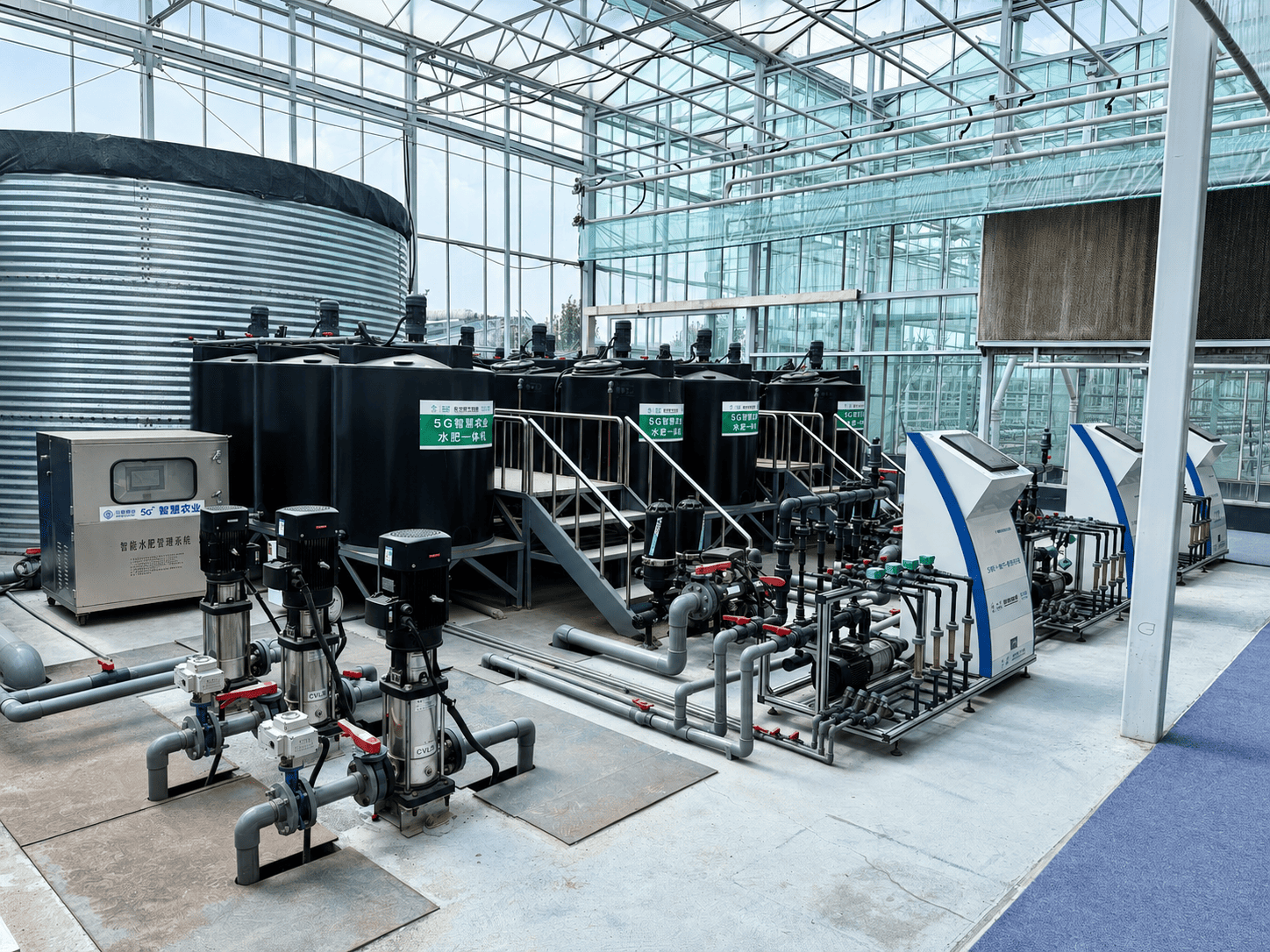
Specify the response to faults such as interrupted water supply, valve problems or unreliable measurements. Alarm communication and manual operation need clear responsibilities. Where fertigation is connected, coordinate irrigation starts, stops and flushing requirements with that equipment's instructions and the agreed crop-management programme.
- Define scheduling functions and operator permissions.
- Identify the sensors included in the supply.
- Agree alarm conditions and practical response procedures.
- Coordinate irrigation operation with connected dosing equipment.
06. Plan Flushing, Inspection and Distribution Checks
Pipes, filters and crop outlets need maintenance appropriate to the water and selected components. Provide accessible flushing points and follow equipment instructions for cleaning. Record visible leaks, blocked outlets and pressure changes so that staff can identify recurring issues instead of adjusting schedules to conceal a distribution fault.
Check delivered water at representative positions using a suitable verification method. Include areas near and far from the supply and any relevant elevation differences. The purpose is to confirm operation under actual conditions, not simply to observe that water appears at one convenient outlet near the valve.
- Keep filter and flushing points accessible.
- Inspect outlets and pipe connections routinely.
- Record representative delivery checks and findings.
- Maintain compatible spare outlets, seals and fittings.
07. Coordinate Drainage and Installation Interfaces
Irrigation delivery should be planned alongside drainage and any proposed collection system. Define whether drainage is discharged, collected or treated for reuse under the site's requirements. These arrangements affect growing equipment, floor conditions and service routes, and should not be left to improvised changes after installation.
Commissioning should test the intended zone combinations and document representative operating conditions. Check valve identification, controller operation and service access with the operating team. Establish who installs and tests the water supply, electrical connections, fertigation interface and downstream growing equipment before the project reaches handover.
- Identify drainage collection and handling responsibilities.
- Test the agreed combinations of operating zones.
- Document valve references and controller settings.
- Provide training and an installation-specific maintenance plan.
08. Prepare a Greenhouse Irrigation Enquiry
Provide AgriNovix with the greenhouse plan, crop programme and growing method. Add water analysis, supply information and the intended zone operation. Existing installations should include pump, filter and controller details so that compatibility can be assessed before new equipment is selected or connected.
The final proposal should state the delivery method, hydraulic assumptions, controls and supply boundaries. Compare options against the same production requirements and request project-specific equipment ratings. A useful irrigation design explains how water will reach the crop, how distribution will be checked and how the system will be maintained.
- Describe crops, media and cultivation layout.
- Provide water-quality and supply-condition information.
- Identify control and fertigation requirements.
- Confirm installation, commissioning and support expectations.