Product Details
01. Solar Pumping Planned as Part of the Irrigation System
A solar irrigation system uses photovoltaic electricity to operate a compatible pumping arrangement. The useful output is water delivered under the conditions the crop requires, rather than the installed panel capacity alone. Water availability, pump performance, distribution and daily operation therefore need to be assessed as one project.
AgriNovix project enquiries should describe the intended cultivation method and water source before equipment is selected. Solar pumping may serve a storage facility or a distribution network where the design permits. Neither arrangement establishes a guaranteed daily volume or continuous irrigation without a site-specific assessment of supply and demand.
02. Compare Seasonal Solar Resources with Crop Demand
The assessment should consider the location, seasonal sunlight and the months when irrigation is required. A favourable annual solar resource does not establish adequate output during every critical growing period. Crop demand, available pumping time and expected changes in weather should be considered together when preparing the operating plan.
Panel positioning also requires a practical site review. Nearby structures, vegetation and future construction can affect shading; mounting, access and exposure conditions influence installation and maintenance. Record the proposed array area and relevant constraints so that the electrical design reflects the actual location instead of an unobstructed reference site.
- Provide the site location and irrigation season.
- Describe the crop programme and water-demand pattern.
- Identify shading and mounting-area constraints.
- Review seasonal operating assumptions before equipment selection.
03. Select the Pump from Hydraulic Requirements
Pump selection needs the required flow and total operating head. Include relevant water levels, elevation differences, pipe losses and pressure needed at the delivery point. For a borehole, operating water level and sustainable source yield matter; the depth of the borehole alone is not a complete pumping specification.
Review the manufacturer's performance information for the proposed pump and the expected operating conditions. Motor power or a headline maximum flow cannot describe every duty point. Define how changes in storage level, irrigation zones or water-source conditions affect the system, and confirm the applicable equipment ratings in the project proposal.
- Provide source and operating water-level information.
- Describe pipe routes and elevation differences.
- Confirm required delivery pressure and flow.
- Request the pump-selection basis and operating limits.
04. Coordinate Panels, Controller and Pump
The photovoltaic array, controller, motor and pump must be selected as a compatible arrangement. Available solar power changes during operation, so the proposal should explain the intended response to variable input. Identify the actual controller functions instead of assuming that every solar pumping package includes the same protections or monitoring.
Electrical connections, isolation and protective equipment belong in the agreed installation scope. If grid support, another energy source or battery storage is proposed, its inclusion and control sequence require separate confirmation. A solar label alone should not imply that the supplied system can irrigate at night or operate continuously.
- Confirm compatibility of the proposed electrical components.
- Identify the controller functions actually supplied.
- Define isolation and installation responsibilities.
- Specify any additional power source separately.
05. Evaluate Water Storage and Irrigation Timing
Water storage can help separate pumping periods from irrigation periods where the project design supports this approach. Size and position depend on the demand pattern, available site area and water-management requirements. Storage should be evaluated as an option, rather than automatically included or presented as necessary for every solar installation.
A storage tank does not by itself guarantee the pressure required by the irrigation outlets. Assess elevation, pipe losses and any downstream pumping requirement. Include filling, overflow, water-level control and access in the layout. Where stored water will feed crops, consider the relevant water-quality and maintenance requirements as well.
- Compare pumping availability with irrigation timing.
- Define the purpose and location of proposed storage.
- Confirm downstream pressure and distribution conditions.
- Identify filling, level-control and overflow arrangements.
06. Integrate Filtration and Crop-Water Distribution
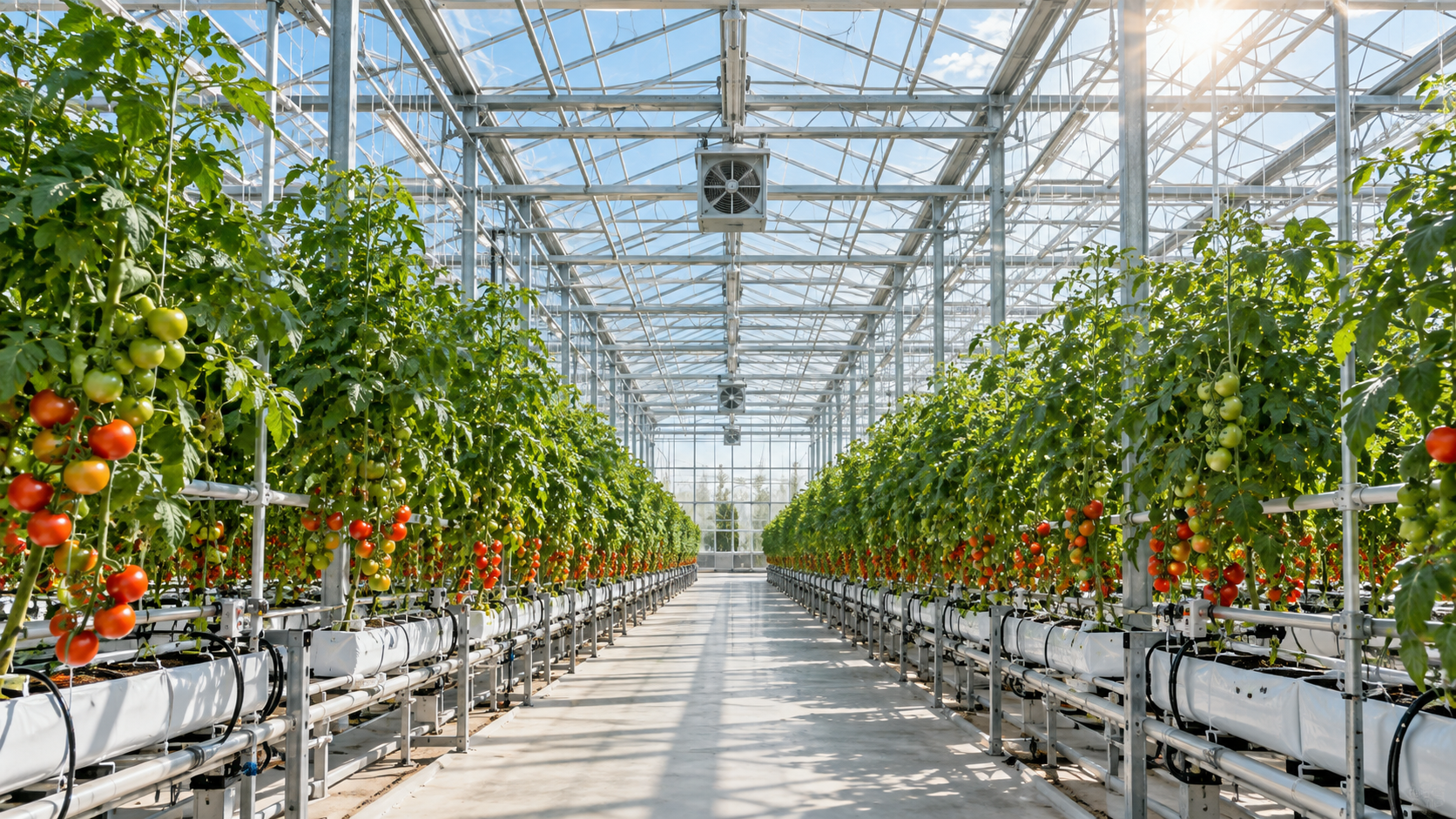
The downstream irrigation method determines requirements that the pumping arrangement must meet. Drip lines, sprinklers and other outlets have different operating conditions. Coordinate the selected zones with the available water supply, and account for pressure loss through filters, valves and connected equipment rather than treating the pump as an isolated product.
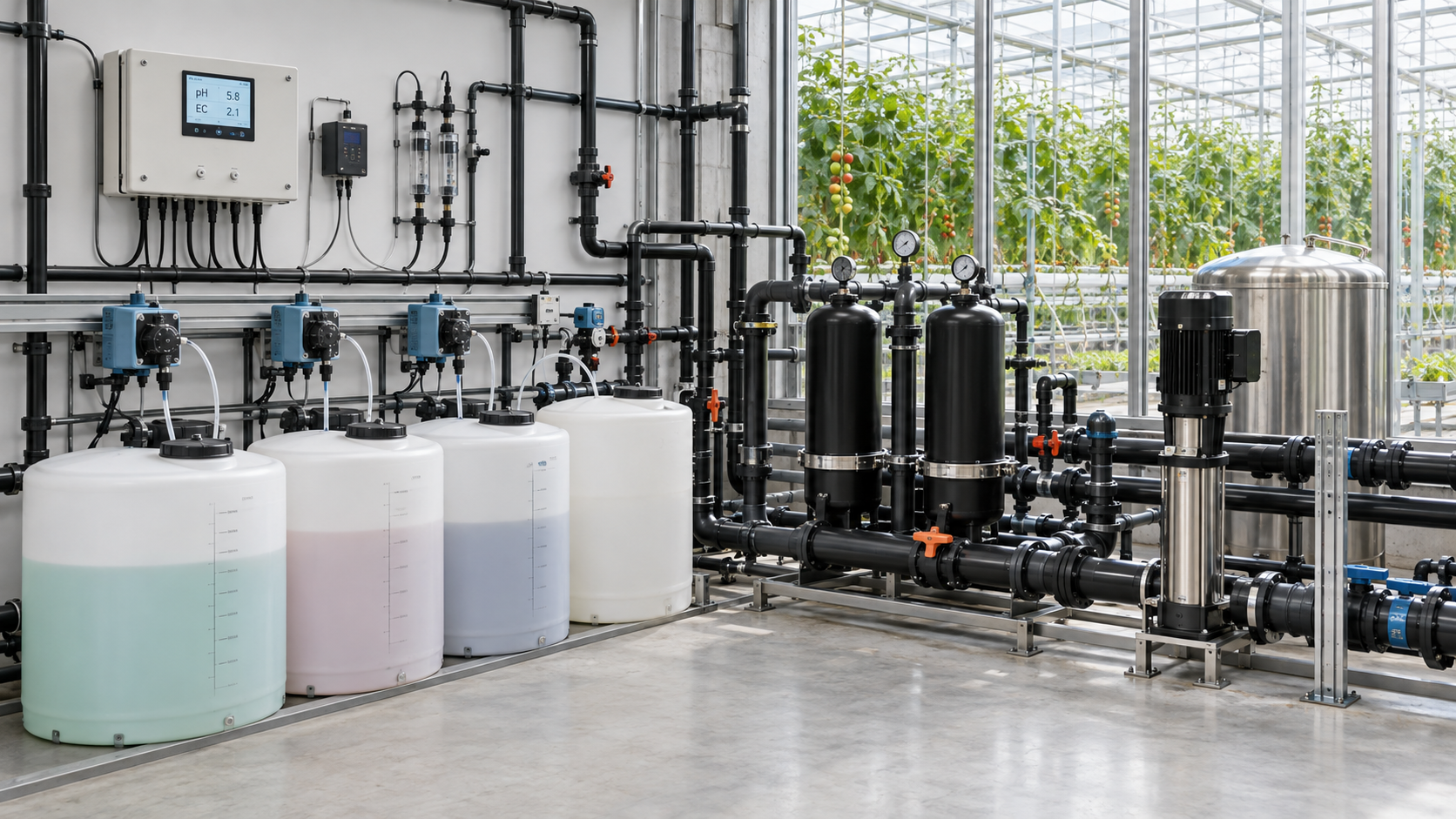
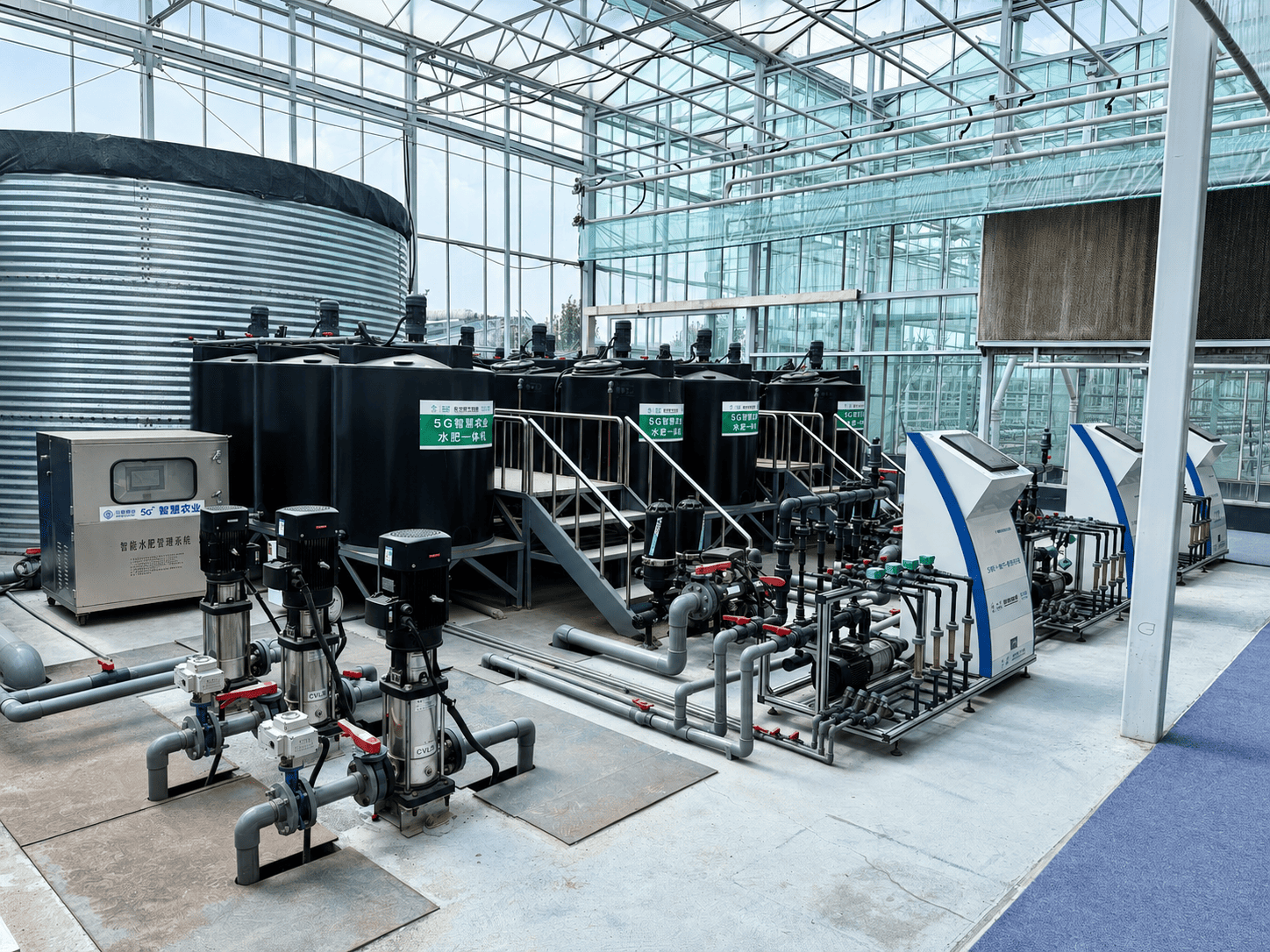
Filtration selection should follow source-water conditions and the requirements of the proposed outlets. If fertilizer injection is included, define its hydraulic and control interfaces separately. The proposal should distinguish pumping, filtration, dosing and distribution equipment clearly so that the customer understands which parts are supplied and which existing facilities are reused.
- Identify the crop-water delivery method.
- Provide water-quality information for filter selection.
- Coordinate zone operation with pumping conditions.
- Confirm dosing and distribution supply boundaries.
07. Commission the Complete Installation and Keep Records
Installation should coordinate the array supports, electrical equipment, pump, pipelines and any storage facility. Qualified personnel should complete and check the relevant work under applicable site requirements. Commissioning needs to demonstrate the assembled system, including water-level responses and agreed operating sequences, rather than only showing that the motor starts.
Record delivered water and the conditions during representative checks. Keep instructions for panel cleaning, filter servicing, pump inspection and fault response. Changes in sunlight, source-water level or outlet condition can affect results, so maintenance records help distinguish an equipment problem from a change in the operating conditions.
- Agree responsibilities for installation and testing.
- Verify the complete pumping and delivery sequence.
- Record representative water-delivery measurements.
- Provide maintenance and fault-response instructions.
08. Prepare a Solar Irrigation Project Brief
Send AgriNovix the location, crop layout, water source and irrigation schedule, together with available hydraulic information. Describe existing pumps, pipes, storage and electrical facilities. Confirm source-water availability and relevant local site requirements before procurement, and identify any periods when irrigation must continue outside the planned solar pumping hours.
The final proposal should identify components, design assumptions, operating limits and the supply scope. Compare options against the same water-delivery requirement, including maintenance and any additional energy source. Financial outcomes depend on project costs and operating conditions; neither fixed savings nor a universal payback period should replace a project-specific evaluation.
- Provide seasonal crop and water-supply information.
- Describe existing facilities and intended operating periods.
- Confirm installation, commissioning and maintenance scope.
- Request a project-specific configuration and proposal.