
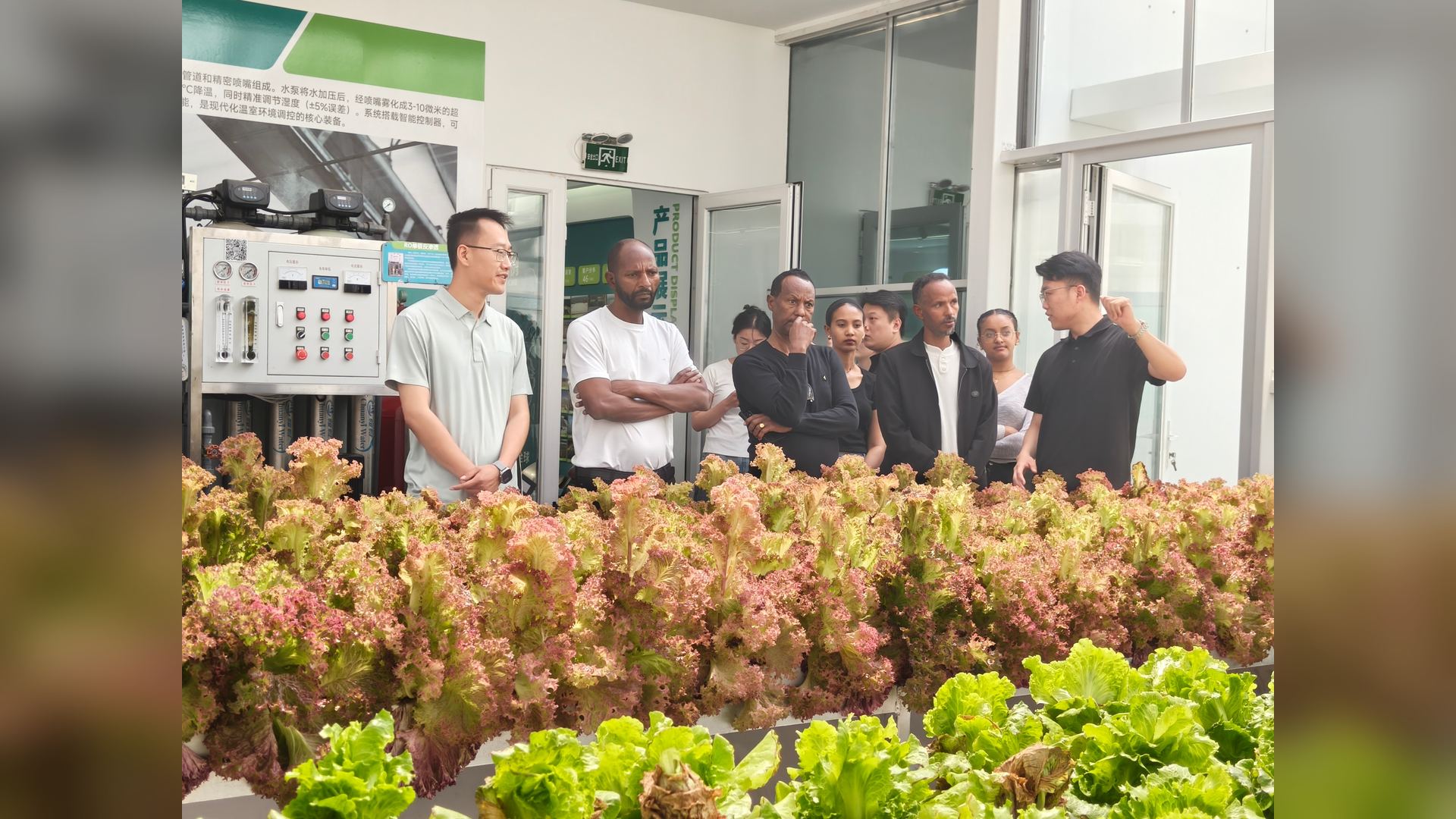
Why do two greenhouses with similar structures and equipment produce completely different financial results? The answer often lies in daily management. From choosing suitable crop varieties to managing irrigation, fertigation, pest control, production costs, and harvest timing, every decision influences profitability. This article examines how growing experience, effective greenhouse management, and careful production planning can improve crop consistency, reduce unnecessary expenses, and support long-term commercial success.
The same structure, very different results
Two greenhouses can have comparable dimensions, equipment and even crop varieties, yet deliver different yields and profits. In a conversation about Australian glasshouses, a grower mentioned unverified reports of other operations struggling. Whether or not those reports describe a wider trend, they underline a familiar reality: investing in a high-quality facility is not the same as learning to run a high-performing farm. Construction provides production conditions; management determines what growers do with them.
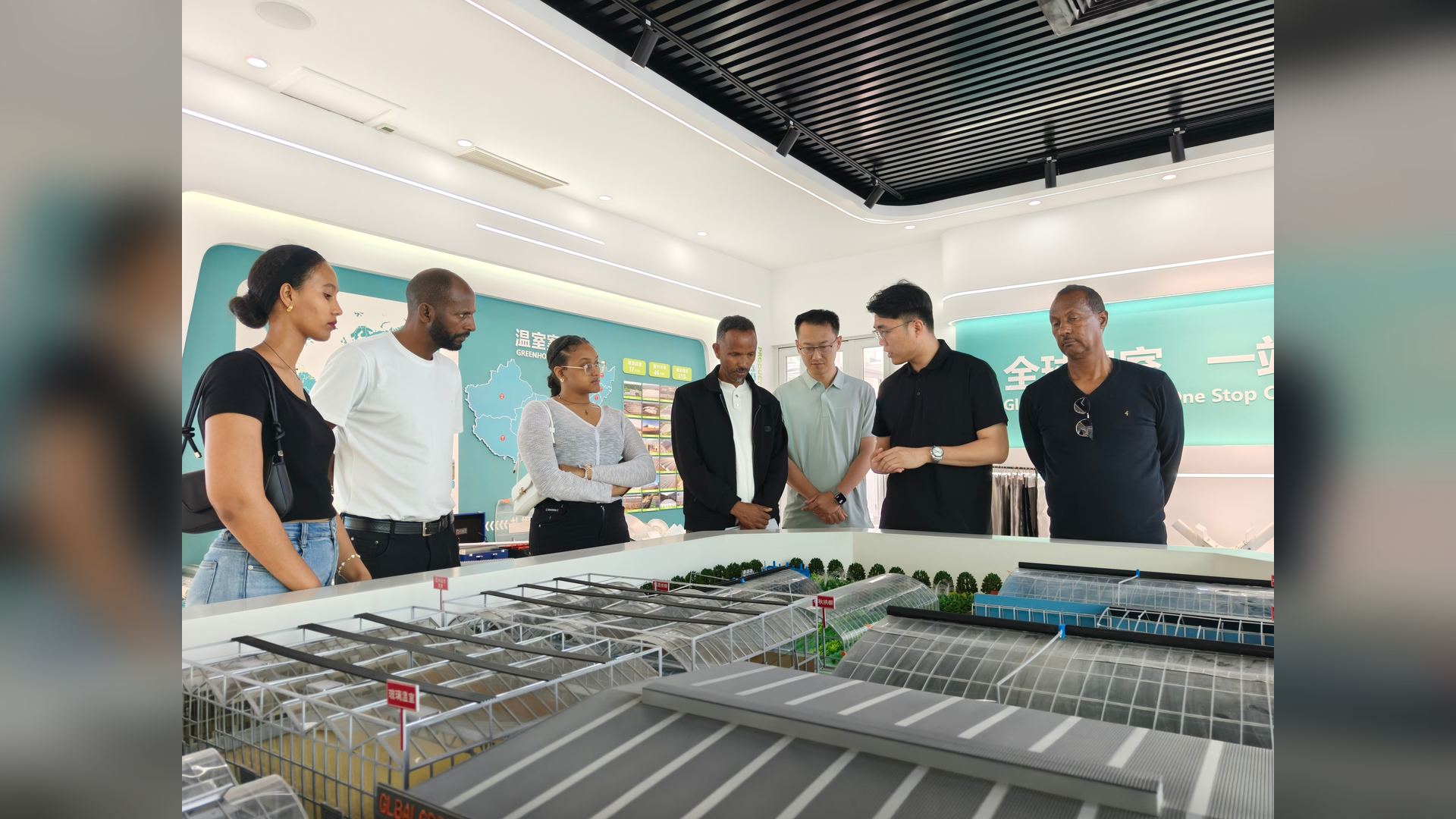
The building cannot grow the crop by itself
Ventilation, screens, heating, cooling, irrigation and sensors can reduce some environmental uncertainty. They cannot guarantee a harvest. Wrong temperature settings may reduce fruit set; excessive irrigation can deprive roots of oxygen; poor nutrient management can upset crop balance; delayed pest detection can cause serious losses. Automated equipment acts on programs and measurements. Those programs must still be designed, interpreted and adjusted by people who understand plant development.
Variety selection shapes the result
Not all tomatoes are the same. Some varieties suit long-cycle high-wire systems, while others are designed for shorter production. Some maximize yield; others prioritize taste, appearance, disease resistance or shelf life. Similar trade-offs apply to peppers, berries and melons. Seed price is only one small part of variety selection. Growers should compare market fit, local climate, greenhouse conditions, resistance, crop duration, marketable yield and postharvest behavior. Small trials can reveal whether a promising cultivar actually performs as expected.
Water and nutrition are daily management decisions
In coco coir, rockwool and other soilless systems, the crop depends heavily on irrigation strategy. Growers must consider EC, pH, timing, dose, drainage, substrate moisture and root-zone salinity. The same schedule is rarely appropriate through every stage and every season. Bright days can bring greater transpiration demand; low-light periods may call for less irrigation. Applying more fertilizer does not necessarily produce more crop. Overfeeding can raise costs and damage roots. Precision means responding to measured conditions and plant behavior, not simply buying a precise dosing unit.
Prevent problems before they spread
Pest and disease management begins with clean propagation material, hygiene, appropriate crop density, ventilation, scouting and sound environmental control. When crop-protection products are required, their use must follow local registration rules, labels, worker protections and residue limits. The objective is not an impressive claim about using the least pesticide; it is effective, legal and well-timed integrated pest management. Early recognition is often less expensive than dealing with a widespread outbreak.
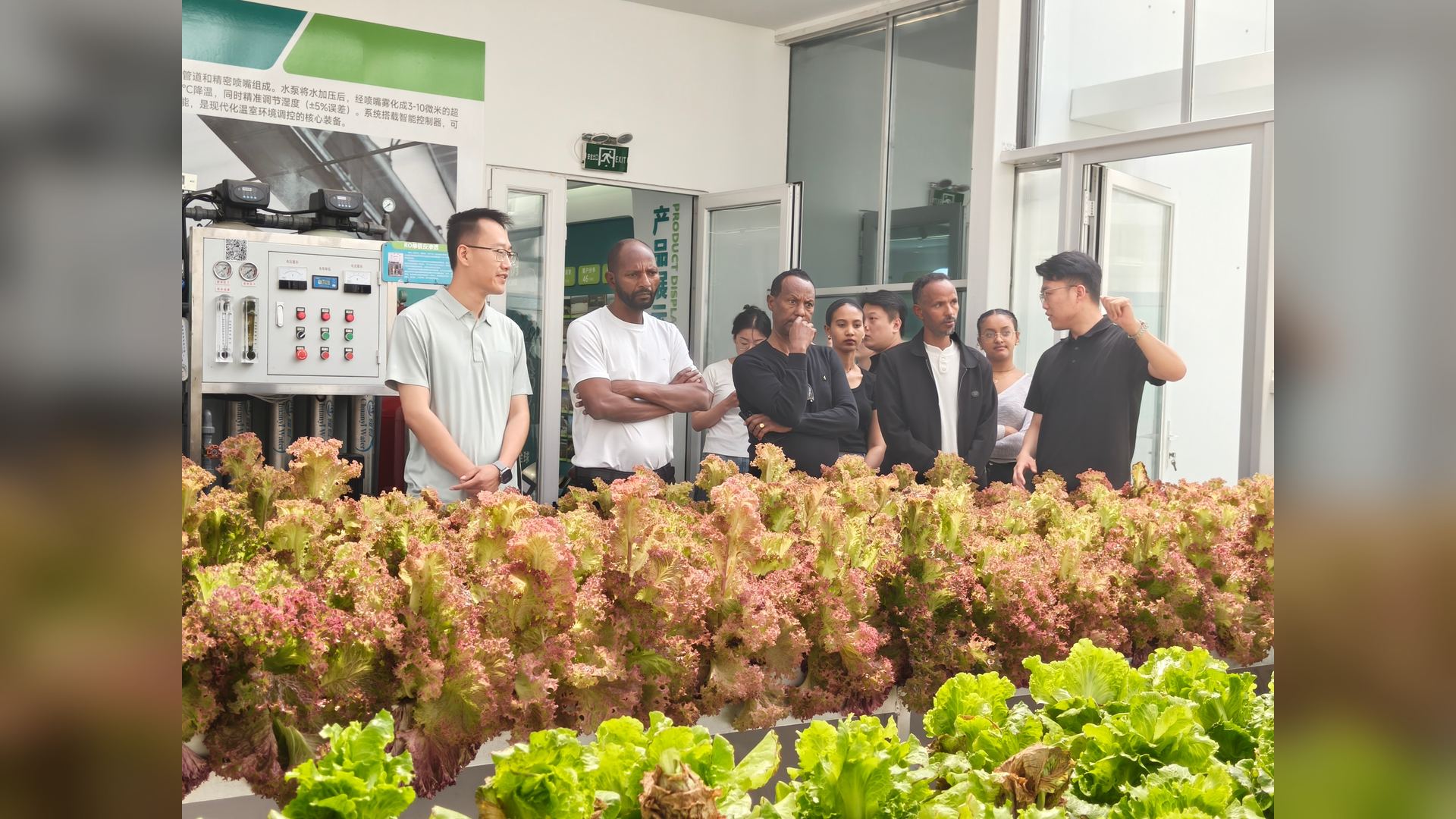
Harvest timing has economic value
The price of a kilogram of produce can change with the season and local supply. Protected cultivation may allow growers to target windows outside peak open-field harvests. But off-season production may require additional heating, lighting, cooling or labor. A higher sales price is worthwhile only if the incremental revenue exceeds the added costs. Sowing, transplanting, crop loading and harvest schedules therefore belong in the business plan as much as in the agronomic calendar.
Experience and measurement work together
An experienced grower notices changes in leaf color, root health, vegetative balance and fruit development and knows when an apparent symptom may have several causes. One Australian grower told me he wanted an experienced agronomist to work alongside him for six months. That is a sensible recognition that equipment can be purchased quickly but local production knowledge takes time to build. The most effective farms combine trained judgment with daily observations and reliable records of climate, irrigation, nutrition, plant development and harvest results.
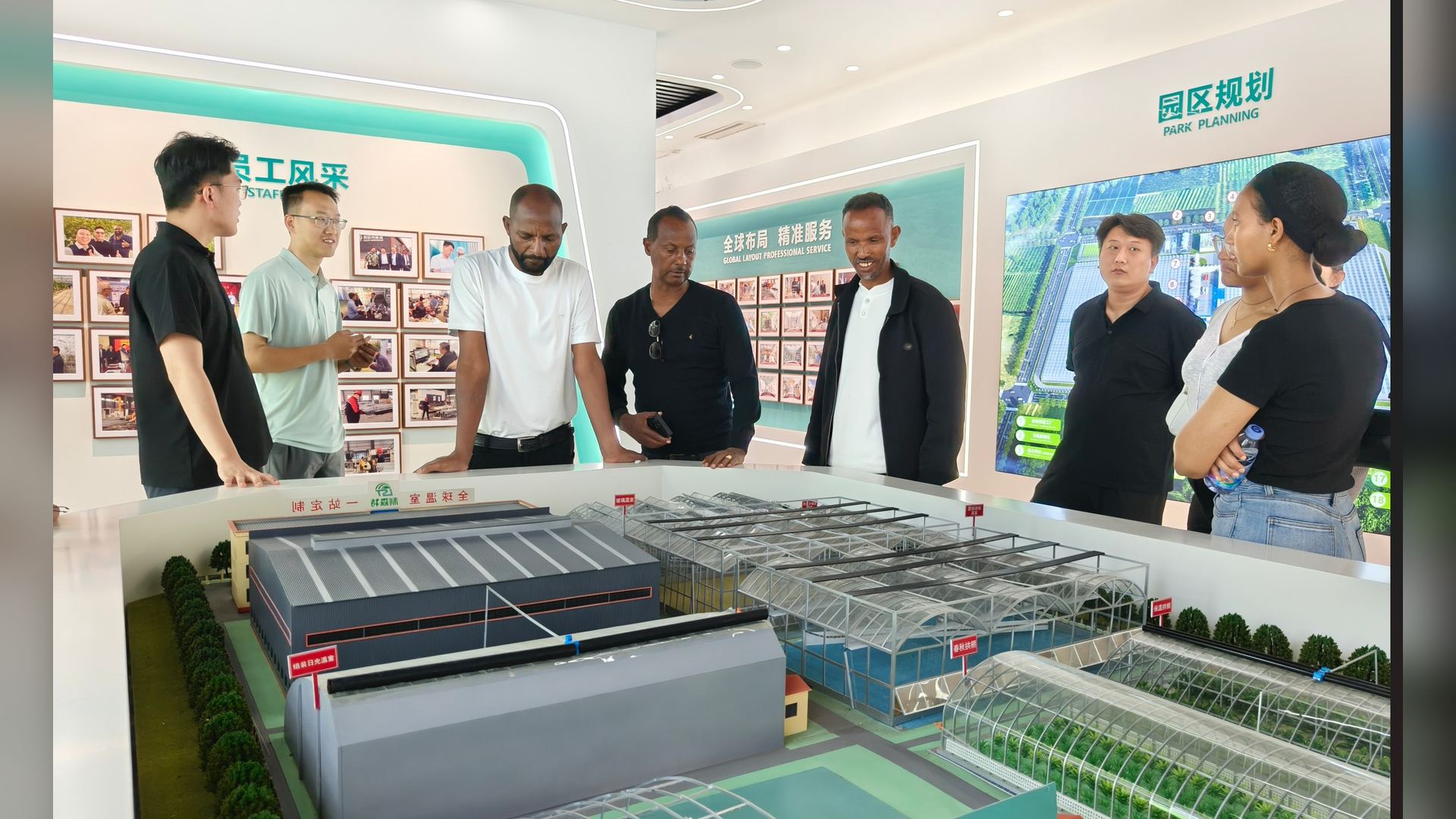
Profit is not the same as yield
An additional ten percent of production has little value if obtaining it costs more than the extra revenue. Compare marketable kilos, pack-out rate, grades, prices and cost per sellable kilogram, including labor, energy, inputs, maintenance and capital costs. Consistency and reduced waste may matter more than a record biological yield. Over time, written procedures and production records allow a team to repeat what worked and investigate what did not.
Conclusion
Good engineering gives a greenhouse the opportunity to perform. Skilled crop management, cost control, market timing and a capable operating team turn that opportunity into a viable enterprise. The quality of a facility can be assessed at handover; its true earning power is demonstrated season after season.